

Designing your zen space
Imagine stepping into a room that instantly feels calmer, quieter, and more centered. That's the goal with a dedicated meditation space. The aesthetic is shifting away from heavily "themed" rooms – think waterfalls and Buddha statues everywhere – towards spaces that seamlessly integrate into the home, offering a sanctuary without feeling separate from daily life.
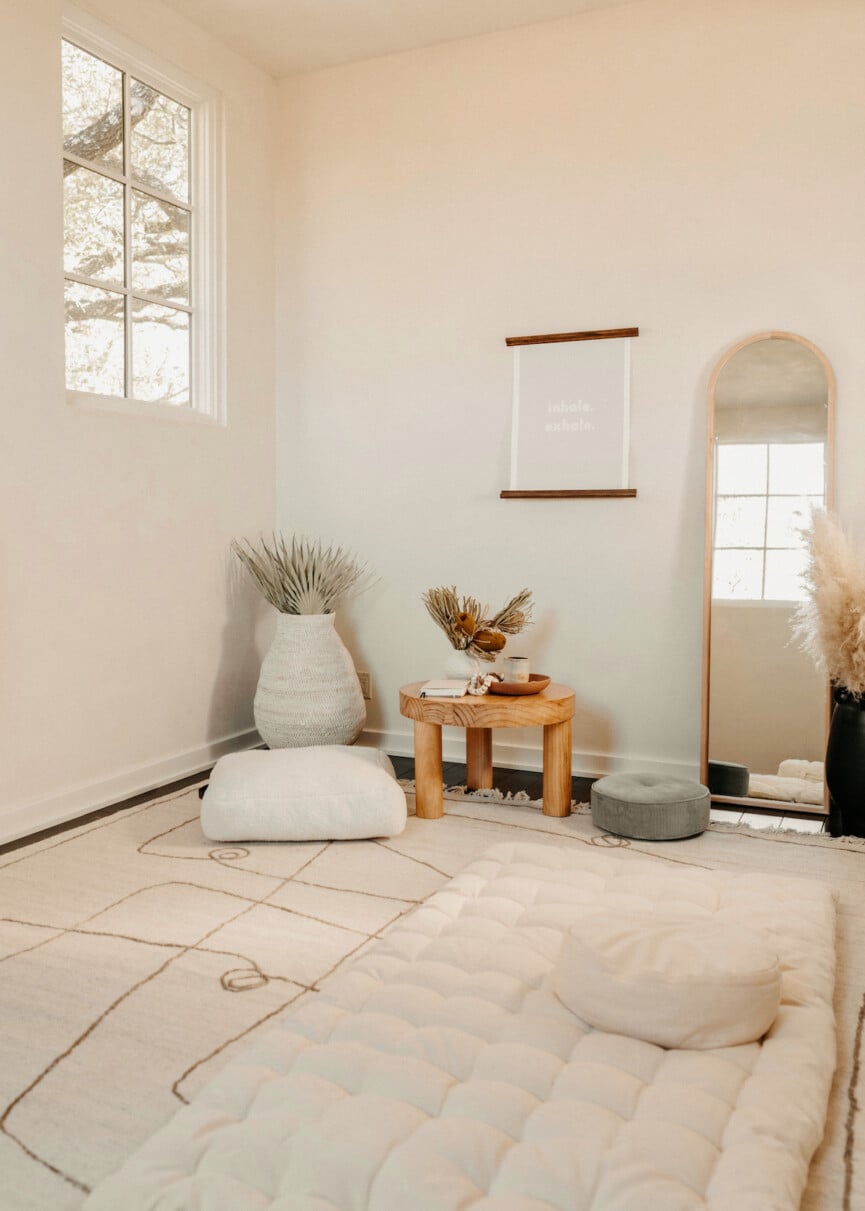
Minimalism remains a strong influence, but it’s becoming warmer. Expect to see a focus on natural materials like wood, bamboo, and stone. Soft, diffused lighting is also key, creating a gentle atmosphere conducive to inner peace. The color palette is leaning toward earthy tones—soft greens, warm grays, and muted blues—colors that are psychologically associated with tranquility and balance.
Consider the psychology of color. Blue is often linked to serenity and focus, while green promotes a sense of renewal and harmony. However, personal preference is important. The aim isn’t to rigidly follow a color scheme, but to create a space that feels peaceful to you. Decluttering is powerful – a visually busy space often translates to a busy mind.
Saving money on your meditation room
Creating a meditation space doesn’t require a complete renovation or a hefty budget. It’s entirely possible to build a calming environment without breaking the bank. Costs can range from under $50 for a very basic setup to several hundred dollars if you’re planning more extensive changes.
Potential expenses include flooring, which can be expensive, but a large area rug is a more affordable option. Lighting can range from inexpensive fairy lights to more substantial lamps. Seating is where investing a bit more is worthwhile – a comfortable cushion or chair is essential. Decor, while nice, is where you can save significantly.
Prioritize spending on comfort and functionality. A good meditation cushion, costing around $30-$80, is a worthwhile investment. Repurposing existing furniture is a smart move. That old armchair? Cover it with a soft throw and it can become a cozy meditation seat. Skip the expensive wall art and focus on bringing in natural elements – plants, stones, or branches – which are often free or very low cost.
Modern meditation room trends
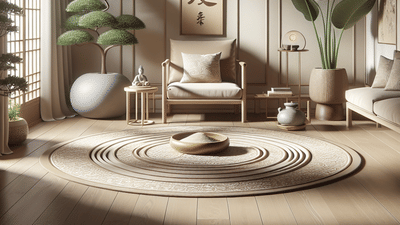
Looking at trends on platforms like Pinterest and YouTube, several key elements are emerging for meditation spaces in 2026. Japandi style, a fusion of Japanese minimalism and Scandinavian functionality, is incredibly popular. Think clean lines, natural materials, and a focus on simplicity.
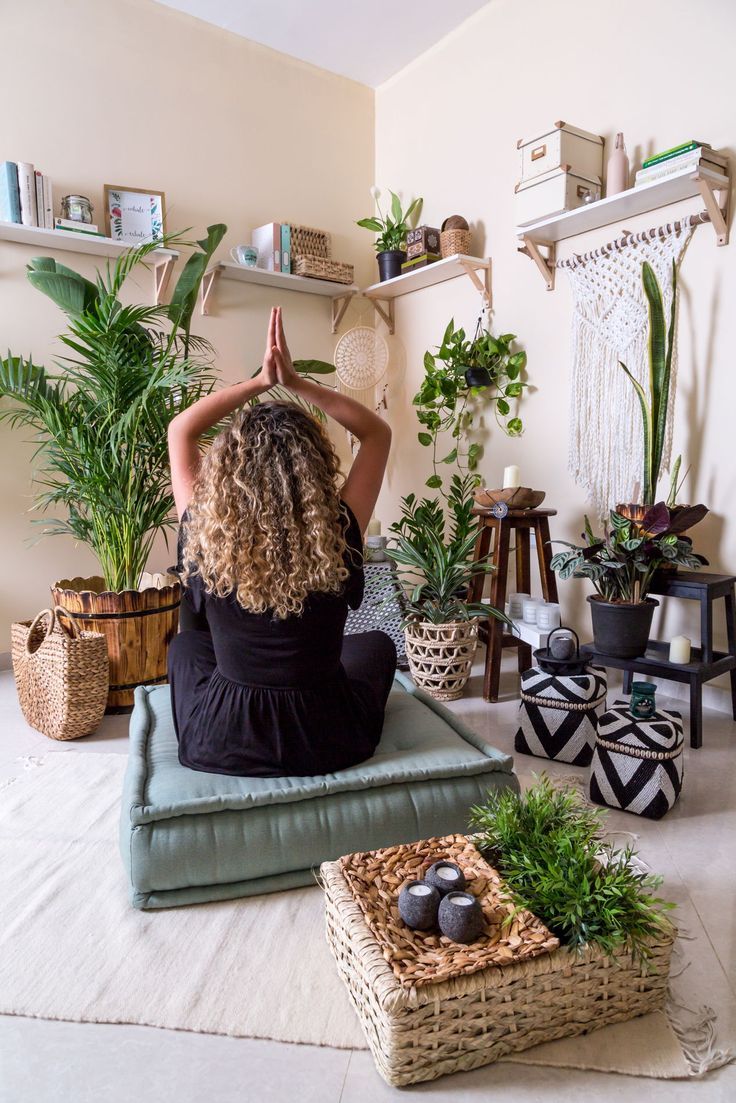
Biophilic design – incorporating natural elements into the space – is another major trend. This isn't just about adding plants (though that's a great start!). It’s about mimicking natural patterns and textures, using natural light, and creating a connection to the outdoors. This is rooted in research showing that exposure to nature reduces stress and improves well-being.
We’re also seeing a move towards curved furniture – rounded sofas, chairs, and even wall features – which creates a softer, more inviting atmosphere. Textured walls, achieved with techniques like lime wash or clay plaster, add depth and visual interest without being overly stimulating. Finally, sustainable materials are increasingly important, reflecting a growing awareness of environmental responsibility.
These trends aren't just aesthetic choices. They’re driven by a desire to create spaces that support mental and emotional health. The focus is on creating a sanctuary that feels both beautiful and grounding.
DIY meditation room projects
You don’t need to be a skilled craftsperson to create a calming atmosphere. Several DIY projects can significantly enhance your meditation space without costing a fortune. One simple project is building a meditation cushion. You can sew a cushion cover from inexpensive fabric (around $10-$20) and fill it with buckwheat hulls or cotton batting (another $10-$30).
Another idea is creating a nature-inspired wall hanging. Collect branches, leaves, and dried flowers, and arrange them on a piece of driftwood or a simple wooden frame. This adds a natural touch and a sense of grounding. Cost: mostly free, depending on materials you already have.
Repurposed essential oil diffusers are both eco-friendly and budget-friendly. Take old glass jars and fill them with water and a few drops of your favorite essential oil. Add some decorative stones or flowers for a visual appeal. Cost: under $5.
A small indoor zen garden can be created using a shallow dish, sand, small stones, and a miniature rake. This provides a tactile element for mindful contemplation. Cost: $15-$25 for the dish, sand, and stones.
Finally, consider creating a DIY sound bowl stand. Using simple wood planks and glue can create a beautiful and functional stand for your sound bowls or singing bowls. Cost: $10-$20 for wood and glue.
Lighting and sound for meditation
Lighting and sound play a crucial role in creating the right atmosphere for meditation. Harsh overhead lighting can be disruptive, so opt for softer, more diffused options. Dimmable lamps are ideal, allowing you to adjust the brightness to suit your mood. Fairy lights can create a whimsical and calming effect. Salt lamps offer a warm, ambient glow and are believed by some to purify the air.
Soundproofing can also be beneficial, especially if you live in a noisy environment. Thick rugs and heavy curtains can help absorb sound. Consider using noise-canceling headphones or playing calming music or nature sounds. Websites like Spotify and YouTube have a wealth of free guided meditations and ambient soundscapes.
However, the power of silence is significant. Sometimes, the most effective sound is no sound at all. Experiment with different options to find what works best for you. The goal is to create an environment that minimizes distractions and promotes a sense of inner peace.
What you truly need
After exploring all the possibilities, it’s easy to want everything. You don't need much to create a functional meditation space. The absolute essentials are a comfortable seating option – whether it’s a cushion, chair, or mat – a quiet space, and minimal distractions.
A dedicated room is ideal, but not always feasible. A corner of a room can work just as well. The key is to define the space and make it feel separate from the rest of your home. Even a simple arrangement of cushions and a candle can create a sense of sanctuary.
Focus on incorporating natural elements whenever possible. Plants, stones, and natural light can all contribute to a calming atmosphere. Intention is more important than perfection. It’s about creating a space where you feel comfortable and supported on your meditation journey.
Check out our New Blog Post: Meditation Room Ideas to Create Your Home Relaxation Space https://t.co/On1nwZuKJT #MeditationRoomIdeas #HomeRelaxationSpace #MindfulLiving #ZenHomeDecor #HomeSpa
— MassageChairStore (@Massage_Chair) February 18, 2025

No comments yet. Be the first to share your thoughts!