

Why a Zenful State Matters for Sleep
A Zenful State is not a mystical destination or a clinical diagnosis; it is a practical mental condition of calm presence. In the context of sleep hygiene, it represents a deliberate shift away from the day’s accumulated stress, judgment, and overthinking. It is the mental equivalent of dimming the lights in a room—allowing the nervous system to recognize that the day’s work is done and rest can begin.
Achieving this state is notoriously difficult with willpower alone. The modern brain is wired for vigilance, constantly scanning for problems to solve. When you lie in bed, the silence often amplifies internal noise rather than quieting it. This is where guided audio becomes the most accessible tool. Unlike silent meditation, which requires significant mental discipline to maintain focus, guided tracks provide a gentle anchor. They offer a structured path for the mind to follow, reducing the cognitive load required to relax.
By listening to curated sounds or spoken guidance, you externalize the effort of calming down. The audio acts as a scaffold, supporting you as you transition from alertness to sleep. This method is particularly effective because it requires no special equipment or prior experience—just a pair of headphones and a willingness to let go. For those struggling with insomnia or restless nights, accessing a Zenful State through audio is often the most reliable bridge to deep, restorative sleep.
Top Deep Sleep Meditation Resources
Finding the right audio environment is often the difference between tossing and turning and drifting off naturally. The "Zenful State" is a specific auditory experience—characterized by slow tempos, minimal instrumentation, and ambient textures—that signals the nervous system to release tension. Rather than relying on generic white noise, targeted meditation tracks offer a structured path to relaxation.
The following recommendations focus on albums and playlists designed specifically for this state. These selections prioritize continuity and low cognitive load, ensuring the music supports sleep rather than demanding attention.
Curated Zenful State Collections
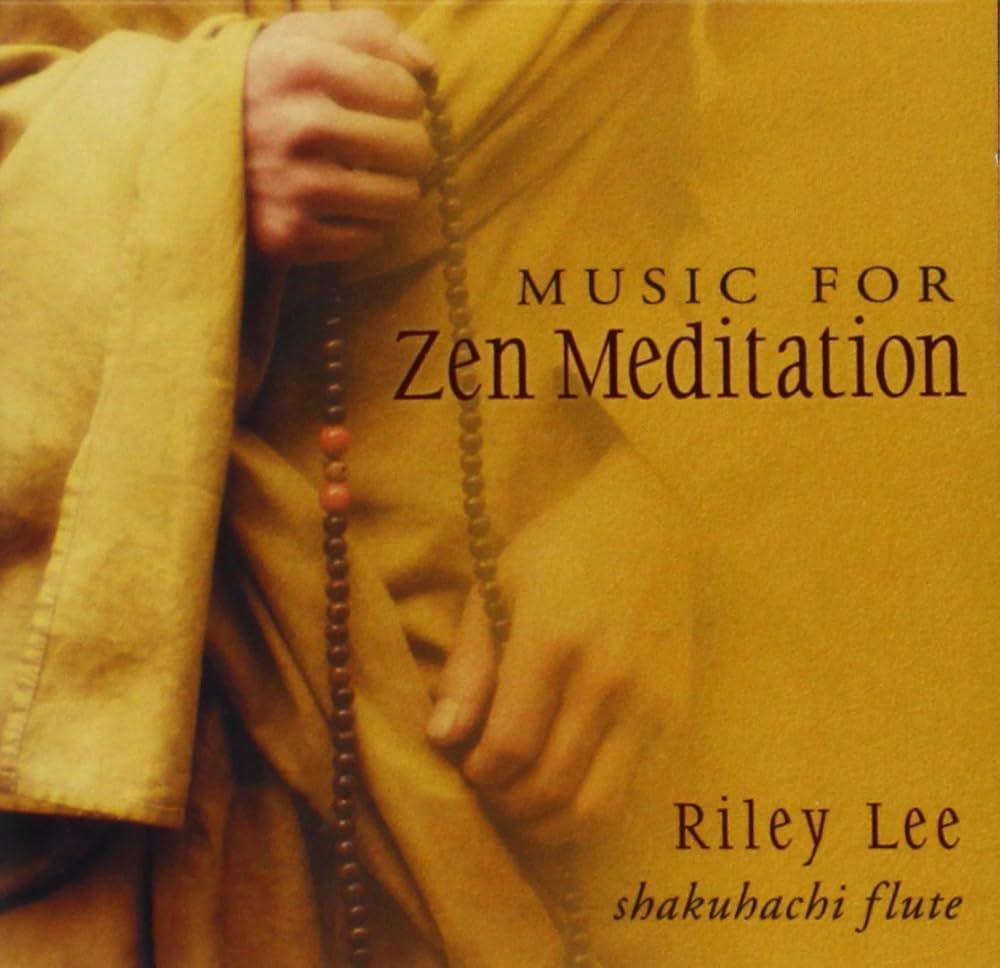
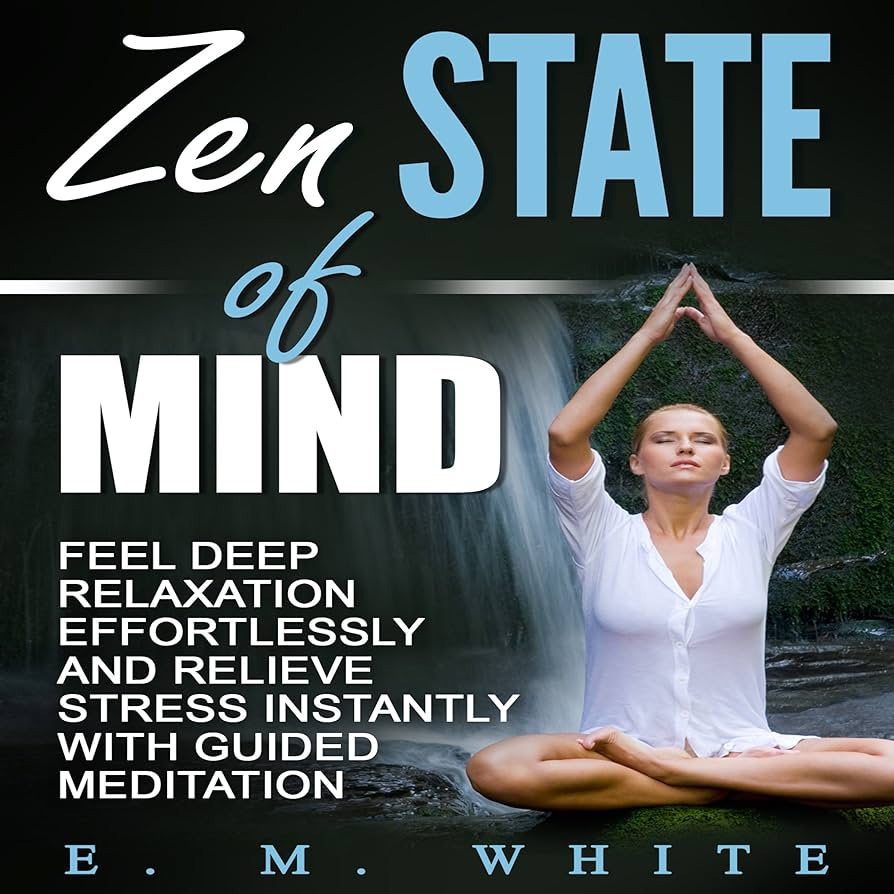
Spotify’s algorithmic and editorial playlists have become the primary source for consistent sleep aid. The following tracks and albums are frequently cited for their ability to induce the Zenful State through piano-led ambient soundscapes and nature integration.

As an Amazon Associate, we may earn from qualifying purchases.
Feature Comparison
When selecting a track, the duration and voice type are critical factors. Below is a comparison of the key attributes for the top recommended resources to help you choose the best fit for your sleep routine.
| Resource Type | Typical Duration | Voice Type | Availability |
|---|---|---|---|
| Spotify Zenful State Playlist | 1-3 hours | None (Instrumental) | Spotify |
| Zenful State Album (Meditation Music) | 45-60 min per track | None (Instrumental) | Spotify / Amazon Music |
| Exotic Piano Sleep Collection | 2-4 hours | None (Instrumental) | Amazon Music / Apple Music |
How to Choose a Meditation Guide
Selecting the right Zenful State meditation track is less about finding the "best" audio and more about finding the one that fits your specific sleep habits. Not every calming track works for every mind. Some listeners need a gentle voice to guide them out of daily stress, while others find narration distracting when they are trying to drift off. By matching the track's structure to your personal preferences, you can turn a good sleep aid into an essential nightly ritual.
Voice vs. Instrumental
The presence of a narrator is the first major decision point. A guided meditation track uses a soothing voice to lead you through body scans, breathing exercises, or visualizations. This approach is helpful if you struggle with racing thoughts or need a clear endpoint for your session. The voice acts as an anchor, gently bringing your attention back whenever it wanders.
However, some listeners prefer instrumental Zenful State music. Purely musical tracks, such as those featuring soft piano or nature sounds, remove the cognitive load of processing language. This style is often better for people who find any spoken word stimulating or who want to fall asleep without a structured routine. If you tend to analyze the words or anticipate the next instruction, an instrumental track may help you let go faster.
Track Length and Looping
Sleep meditation tracks vary significantly in duration. Shorter tracks, typically five to ten minutes, are designed for quick wind-downs or naps. They provide enough time to settle in but end before you might get bored or frustrated if you are already tired. These are useful for establishing a consistent pre-sleep routine without committing to a long session.
Longer tracks, often thirty minutes or more, are better for deep sleep maintenance. They ensure the audio continues throughout the time it takes you to fall asleep and stay asleep. Look for tracks that loop seamlessly or fade out gradually. A hard stop in the middle of the night can jolt you awake, while a seamless loop allows the soundscape to remain constant throughout the night.
Style and Atmosphere
The atmospheric style of the Zenful State track should match your comfort level. Some tracks incorporate ambient nature sounds like rain, ocean waves, or forest ambience. These natural sounds can mask disruptive household noises and create a consistent auditory environment. Others rely on minimalistic electronic drones or traditional instruments like singing bowls.
Consider your previous experiences with sleep aids. If you have found that nature sounds help you relax, stick with that style. If you find natural noises unpredictable or annoying, opt for pure tones or minimal instrumentation. The goal is to reduce sensory input, not add to it. Choose a style that feels like a safe, familiar space rather than a new experience to navigate.
Common Questions About Sleep Meditations
Many listeners turn to specific audio tracks, like the "Zenful State" playlist, to bridge the gap between a busy day and restful sleep. Understanding how these tools work helps you use them more effectively.
Using these resources consistently can help train your brain to associate specific sounds with rest. Whether you prefer piano melodies or nature sounds, the goal is to create a reliable cue for your body to unwind.
No comments yet. Be the first to share your thoughts!