

Zen Rooms for 2026: A New Aesthetic
The idea of a "zen room’ is evolving. For years, the aesthetic felt predictable – bamboo accents, trickling water features, and a lot of beige. Now, what"s trending on platforms like Pinterest is a move toward something more personal and integrated with the rest of the home. People are actively seeking spaces that feel calming and reflect their individual style, not just a generic idea of 'zen'.
A major shift is the embrace of biophilic design. This isn't simply about adding plants, though that’s part of it. It’s about maximizing natural light, incorporating natural materials like wood and stone, and creating a strong connection to the outdoors. People are prioritizing views, even if it’s just a small glimpse of greenery. This emphasis on nature is a direct response to our increasingly digital lives.
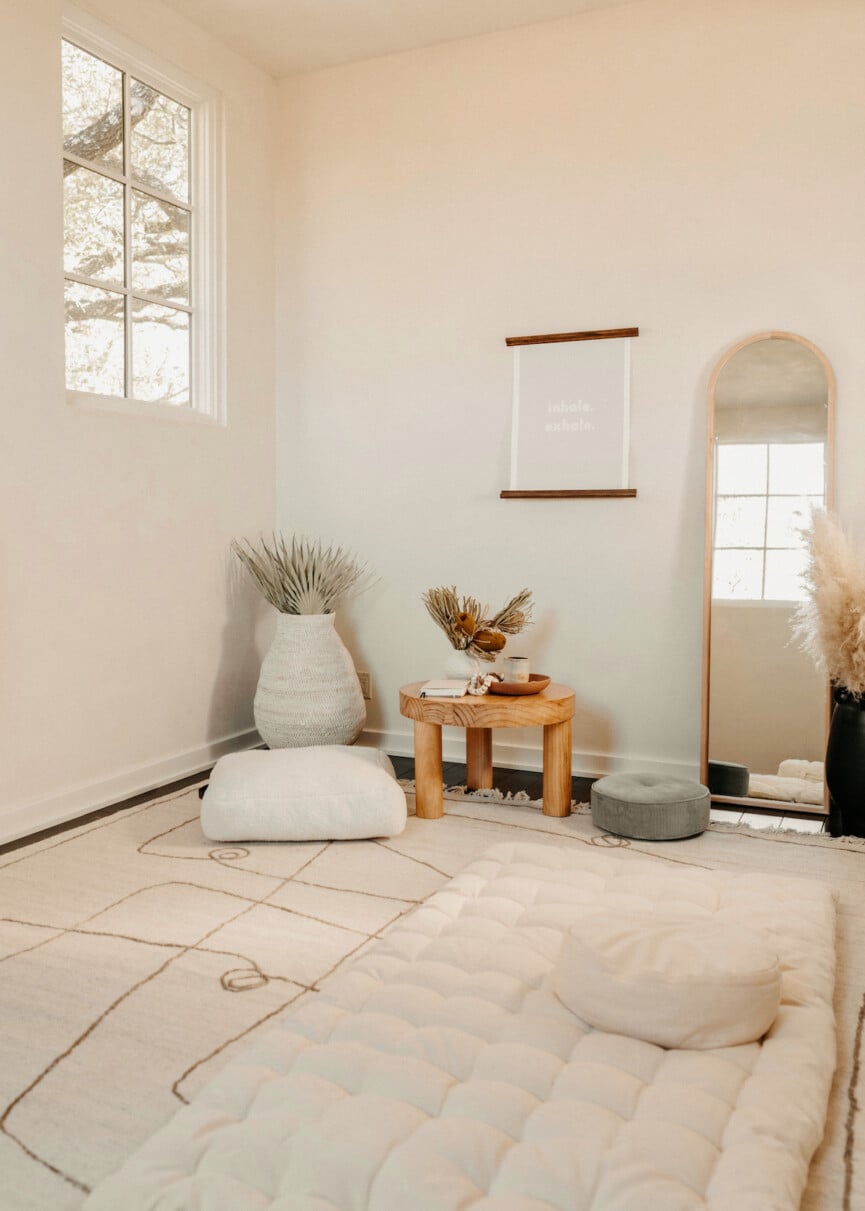
Simultaneously, "soft minimalism’ is proving popular. This isn’t the stark, austere minimalism of the past. Instead, it"s about carefully curated spaces with a focus on comfort and texture. Think plush rugs, soft lighting, and a limited color palette. It's about creating a sense of spaciousness and calm, but without sacrificing coziness. Even within smaller homes, people are finding ways to carve out dedicated meditation spaces, demonstrating a growing commitment to wellbeing.
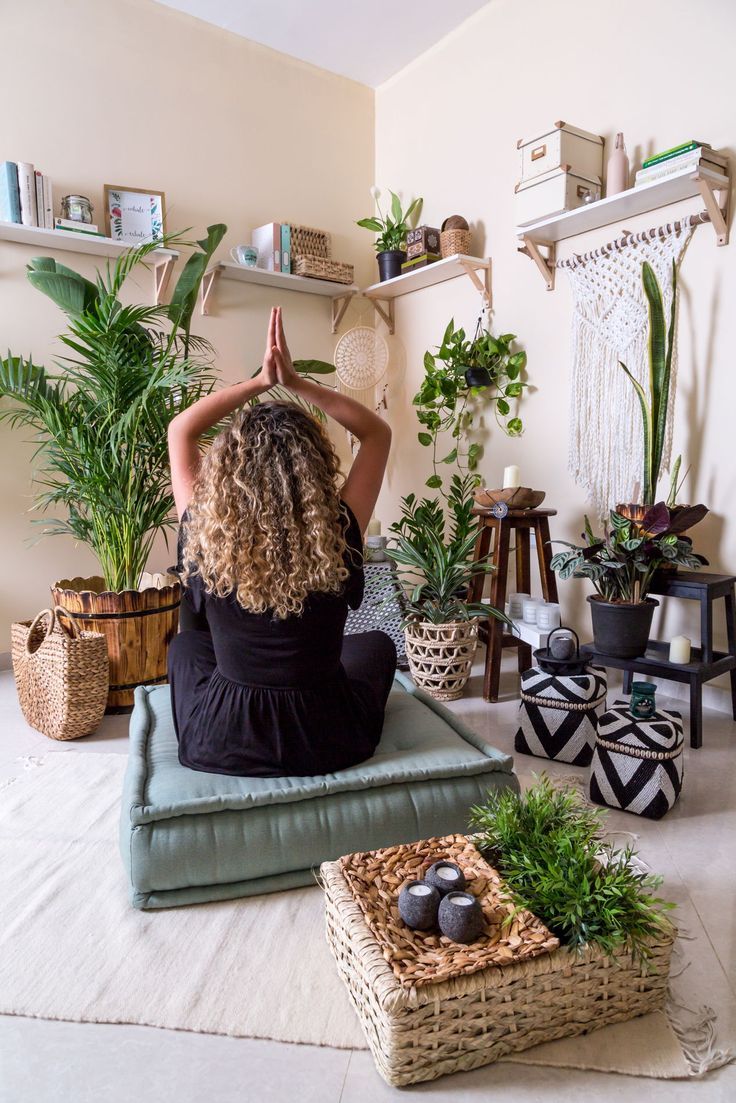
The focus is shifting away from large, dedicated meditation rooms. While those are wonderful if you have the space, many people are adapting existing areas – a spare corner, a guest room, even a walk-in closet – and transforming them into peaceful sanctuaries. This makes creating a meditation space far more accessible.
Budget Breakdown: Cost-Effective Foundations
You don’t need a full renovation to create a calming meditation space. Many of the most effective changes are incredibly affordable. The foundation of any good meditation space is comfortable flooring. A large area rug is a cost-effective way to define the space and add warmth – you can find quality options for around $50-$150 depending on size and material at stores like Target or IKEA.
For lighting, skip the expensive fixtures. Fairy lights can create a soft, ambient glow for under $20, and a Himalayan salt lamp (around $30-$50) provides gentle light and is believed to have air-purifying benefits. Prioritize maximizing natural light whenever possible; sheer curtains are a good investment, costing approximately $25-$75 per panel.
Soundproofing can seem daunting, but it doesn't have to be expensive. Thick curtains can help absorb sound, and strategically placed rugs can make a difference. For a DIY solution, consider creating sound panels using fabric-covered foam boards – a project that can be completed for under $50. The goal is to minimize distractions, not to create a soundproof booth.
Decluttering is powerful. Removing unnecessary items is free and immediately creates a more peaceful atmosphere. The biggest investment often isn’t monetary, it’s time and effort.
Color Psychology & Your Sanctuary
Color profoundly impacts our mood and mental state, so choosing the right palette for your meditation space is essential. Blues and greens are consistently associated with calmness and tranquility. Studies from the University of British Columbia have demonstrated that exposure to blue tones can lower blood pressure and heart rate.
Soft grays and muted earth tones are excellent choices, providing a neutral backdrop that promotes relaxation. Avoid bright, stimulating colors like red or orange, which can be energizing but also distracting during meditation. If you enjoy warmer tones, opt for muted terracotta or peach shades instead.
Consider incorporating these colors through textiles – cushions, throws, rugs – and artwork. A carefully chosen piece of art can be a focal point for your meditation, but make sure it’s something calming and visually pleasing, not overwhelming.
Blues can promote introspection, greens foster a sense of balance, and grays create a feeling of stability. The goal is to create a space that feels safe, peaceful, and conducive to inner reflection.
- Blues: Calmness, introspection
- Greens: Balance, harmony
- Soft Grays: Stability, neutrality
Affordable Furnishings: Comfort & Support
Seating is crucial for a comfortable meditation practice. You don’t need to spend a fortune on a fancy meditation chair. Floor cushions are a budget-friendly option, typically ranging from $20-$50 each. Look for cushions filled with buckwheat hulls or kapok for optimal support.
A meditation bench can be a great choice, promoting good posture and relieving pressure on the knees and ankles. You can find simple wooden benches for around $60-$100. If you prefer a more traditional seat, a comfortable armchair with good lumbar support is a viable option – check secondhand stores or online marketplaces for affordable finds.
Proper posture is key to avoiding discomfort during meditation. Ensure your spine is straight but not stiff, and your shoulders are relaxed. Choose furniture that supports this posture, whether it’s a cushion, a bench, or a chair. A small side table ($20-$40) is useful for holding candles, incense, or a journal.
Experiment with different seating options to find what works best for you. Comfort is paramount, so prioritize that above all else. The goal is to create a space where you can relax and focus without physical distractions.
Affordable Meditation Essentials for Your Serene Space

Ergonomic design for comfort · Buckwheat fill for support · Durable construction
This cushion offers ergonomic support and a natural buckwheat fill, providing a comfortable and durable foundation for your meditation practice.

Traditional Tibetan design · Luxurious velvet cover · Large size for ample seating
Embrace traditional aesthetics with this large, comfortable floor pillow featuring a beautiful velvet cover, perfect for extended meditation sessions.

Supportive for restorative yoga and meditation · Buckwheat hull filling · Removable, OEKO-TEX certified cover
This supportive cushion, filled with buckwheat hulls and featuring a removable, certified safe cover, is ideal for restorative yoga and various relaxation practices.

Classic zafu shape · Cotton and buckwheat fill · Made in the USA
A classic zafu meditation cushion made in the USA, this option combines cotton and buckwheat fill for reliable support during sitting meditation and prayer.

Organic kapok filling · Foldable design for versatility · Portable and soft
This versatile cushion features organic kapok filling and a foldable design, offering a soft and portable option that can be used in multiple configurations for meditation and yoga.
As an Amazon Associate I earn from qualifying purchases. Prices may vary.
Plants & Natural Elements: Biophilic Design
Incorporating plants into your meditation space enhances its calming and restorative qualities. Plants purify the air and bring a sense of life and tranquility to the room. Snake plants (Sansevieria) are incredibly low-maintenance and excellent air purifiers, costing around $15-$30 depending on size.
Peace lilies (Spathiphyllum) are another good option, known for their ability to remove toxins from the air. Lavender is renowned for its calming scent and can be grown indoors with sufficient sunlight or used as an essential oil. Consider incorporating other natural elements like stones, wood, and crystals.
A small tabletop fountain can add a soothing sound and visual element, though be mindful of potential noise levels. Driftwood or smooth river stones can be arranged as decorative accents. Create a connection to nature, even if it’s just through subtle touches.
Choose plants that are appropriate for your climate and light conditions. Low-maintenance options are ideal, as you don't want to spend your meditation time worrying about plant care. A little greenery can go a long way in transforming your space into a peaceful oasis.
Sound & Scent: Engaging the Senses
A truly immersive meditation experience engages all the senses. Sound plays a vital role, with options like ambient music, nature sounds (rainforest, ocean waves), and guided meditations. Singing bowls create a resonant sound that can promote relaxation and focus – a basic set can be found for around $40-$80.
Scent is equally important. Essential oils like lavender, chamomile, and sandalwood are known for their calming properties. Use a diffuser or burn incense (choose natural, high-quality options) to create a soothing aroma. Be mindful of personal preferences; some scents can be stimulating rather than relaxing.
Good acoustics are also important. Minimize echoes and harsh sounds by using soft furnishings like rugs and curtains. If your space is particularly noisy, consider using earplugs or noise-canceling headphones. The goal is to create a soundscape that is conducive to inner peace.
Experiment with different sounds and scents to find what works best for you. What one person finds relaxing, another might find distracting. Trust your intuition and create a sensory environment that supports your meditation practice.

Ultimate Aromatherapy Diffuser & Essential Oil Set - Ultrasonic Top 10 Oils Modern with 4 Timer 7 Ambient Light Settings Therapeutic Grade Lavender
- Ultrasonic aromatherapy diffuser
- Includes Top 10 essential oils
- 4 timer settings
- 7 ambient light settings
- Therapeutic grade lavender oil included
Elevate your budget-friendly meditation space with this aromatherapy diffuser and essential oil set. It's perfect for creating a serene atmosphere with calming scents and customizable ambient lighting, helping you achieve a deeper state of relaxation.
View on Amazon →As an Amazon Associate I earn from qualifying purchases.
2026 Design Standouts: Trending Details
Looking ahead to 2026, several design elements are gaining significant traction in meditation room aesthetics. Textured walls are becoming increasingly popular. Limewash paint, with its subtle variations in color and texture, adds warmth and visual interest. Natural fiber wallpaper, like grasscloth or jute, is another excellent option, costing around $50-$100 per roll.
Curved furniture is also trending, offering a softer and more inviting aesthetic. Think rounded armchairs, arched mirrors, and organically shaped rugs. Integrated lighting – recessed lights, strip lights, and wall sconces – creates a subtle and ambient glow. Avoid harsh overhead lighting whenever possible.
Minimalist art is a great way to add personality to your space without overwhelming it. Choose pieces that are calming and visually appealing. Incorporating personal objects – photos, mementos, crystals – can also make your meditation space feel more meaningful and connected to your life.
We’re also seeing a move away from overly curated spaces. Imperfection is embraced, and there’s a greater emphasis on creating a space that feels authentic and lived-in. It’s about creating a sanctuary that reflects your personality and supports your wellbeing.
Small Space Solutions: Maximizing Limited Areas
You don’t need a dedicated room to create a peaceful meditation space. Many people successfully meditate in a corner of their bedroom, a quiet nook in the living room, or even a converted closet. The key is to create a sense of separation and tranquility, even within a limited area.
Space-saving furniture is essential. Foldable meditation cushions, stackable benches, and small side tables are all excellent choices. Vertical storage – shelves, wall-mounted organizers – can help maximize space. Use screens or curtains to create a visual barrier and define your meditation area.
Declutter the space thoroughly. Remove any unnecessary items that might be distracting. Keep the area clean and organized. A small plant or a scented candle can add a touch of serenity. Even a simple change in lighting can transform a small space into a peaceful sanctuary.
The most important thing is to create a space where you feel comfortable and relaxed. It doesn't have to be perfect, but it should be a place where you can disconnect from the outside world and connect with your inner self.

No comments yet. Be the first to share your thoughts!