

Start with the basics
Before you begin a five-minute morning meditation routine, you only need two things: a quiet corner and a timer. You do not need a studio, expensive cushions, or a specific spiritual background. The goal is simply to create a brief window of stillness before the day’s demands take over.
Find a spot where you won’t be interrupted. This could be a chair in your bedroom, a bench in your kitchen, or even your car before you drive to work. The location matters less than the consistency. If you meditate in the same place every morning, your brain will eventually associate that space with calm.
Set a timer for five minutes. Using your phone is fine, but put it on silent and face down. This prevents the anxiety of checking the time or getting distracted by notifications. The timer acts as your boundary, telling your mind that for these few minutes, nothing else exists.
Sit comfortably with your spine straight but not rigid. Rest your hands on your knees or in your lap. Close your eyes or soften your gaze. The physical posture signals to your body that it is time to shift gears from action to awareness. If you feel restless, that is normal. You are not trying to stop your thoughts; you are just learning to watch them pass by.
Follow the process
A five-minute morning meditation routine for busy days works best when you treat it like a structured appointment rather than a vague wish. You don’t need silence, a cushion, or an hour. You need a clear sequence that grounds your nervous system before the day’s notifications begin.
Start by anchoring your posture. Sit on the edge of your bed or a chair with your feet flat on the floor. Keep your spine straight but not rigid, allowing your shoulders to drop away from your ears. Close your eyes or lower your gaze to a neutral point. This physical setup signals to your brain that it is time to shift from reactive mode to receptive mode.

Set a timer for five minutes so you don’t have to watch the clock. Take three deep breaths in through your nose and out through your mouth. Inhale for a count of four, hold for four, and exhale for six. This breathing pattern activates the parasympmpathetic nervous system, lowering your heart rate and reducing immediate stress before you even think about your to-do list.

Bring your attention to your feet, then move upward through your legs, torso, arms, and head. Notice where you are holding tension—often the jaw, shoulders, or lower back. Without trying to change it, simply acknowledge the sensation. This body scan helps you reconnect with your physical self, grounding you in the present moment rather than drifting into tomorrow’s anxieties.
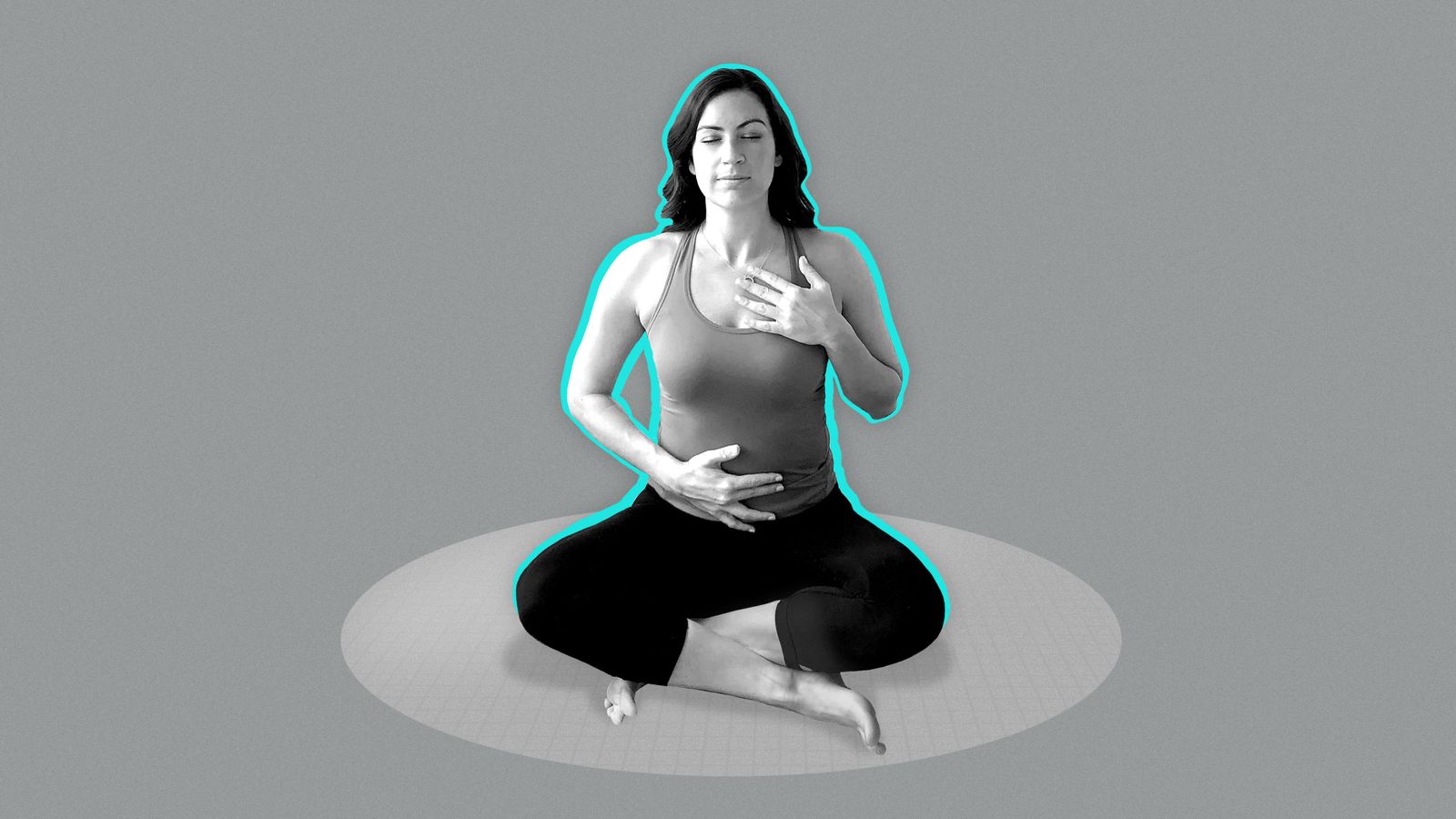
Pick one focal point for the remaining time. It could be the sensation of air entering your nostrils, the sound of distant traffic, or a simple word like "calm." When your mind wanders to emails or breakfast plans, gently guide it back to that anchor. This practice strengthens your attention muscle, making it easier to focus later when work demands begin.
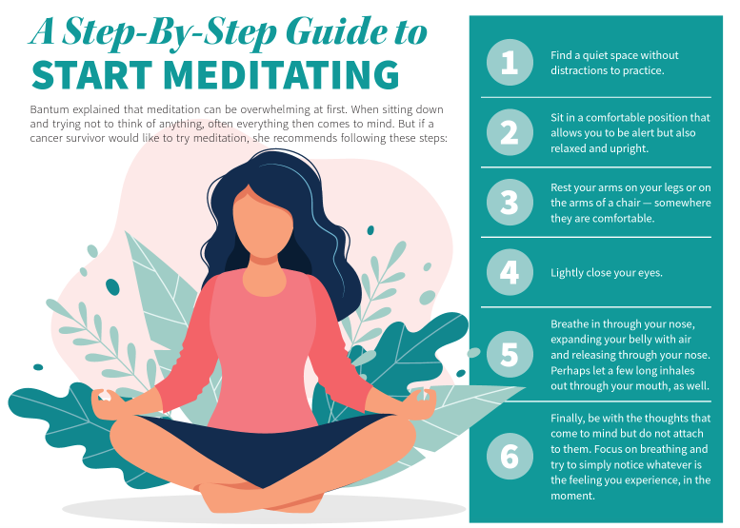
Before opening your eyes, ask yourself: "How do I want to show up today?" Choose one quality—patience, clarity, or kindness—and hold that thought. This intention acts as a compass for your actions throughout the day. It shifts your mindset from reacting to circumstances to responding with purpose.

Wiggle your fingers and toes. Take one more deep breath. Open your eyes and sit for a moment longer before jumping up. Avoid reaching for your phone immediately. This buffer period protects the calm you’ve built, preventing the sudden spike of cortisol that often comes with checking notifications first thing in the morning.
To see this routine in action, you can follow along with a guided version:
Consistency matters more than duration. Even on chaotic mornings, three minutes of this structured breathing and scanning is enough to reset your baseline. The goal isn’t to clear your mind completely, but to create a small space between stimulus and response where you can choose how to begin your day.
Avoid these mistakes
Even a five-minute practice can go off track if you treat meditation like a checklist item. The goal isn't to clear your inbox; it's to ground your attention. Here are the common errors that turn a brief pause into a source of stress.
Chasing perfection
You will have thoughts. That is not a failure; it is the nature of the mind. Trying to force your brain into silence creates tension, which defeats the purpose of the routine. When a thought about your schedule or a lingering worry pops up, do not fight it. Acknowledge it briefly, then gently return your focus to your breath. Think of your attention like a puppy you are training to sit. You do not yell at the puppy for wandering off; you simply pick it up and place it back.
Rushing the exit
The most common mistake is jumping straight into your day the second the timer ends. If you rush from the cushion to your phone, you carry that fragmented energy into your emails and meetings. Take the final thirty seconds to sit quietly. Notice the weight of your body against the chair or floor. Stretch your shoulders and wrists. This small buffer ensures you transition with intention rather than reacting to the first notification that pings.
Ignoring consistency for duration
Many people skip the five minutes because they feel they "don't have time," only to spend twenty minutes scrolling in bed later. Consistency beats duration every time. A daily five-minute anchor is more effective for building resilience than an occasional thirty-minute session. If you miss a day, do not try to "make up" for it with a longer session. Just resume the next morning. The routine is a habit, not a performance.
Common questions
A 5-minute morning meditation routine is designed to be accessible even when your schedule is tight or your mind feels cluttered. Here are the practical answers to the most common concerns readers have before starting.
No comments yet. Be the first to share your thoughts!