

Zen room trends for 2026
By 2026, the sterile minimalism of the last decade is finally giving way to something warmer. Pinterest data shows people are moving away from empty white boxes and toward rooms that feel lived-in and restorative.
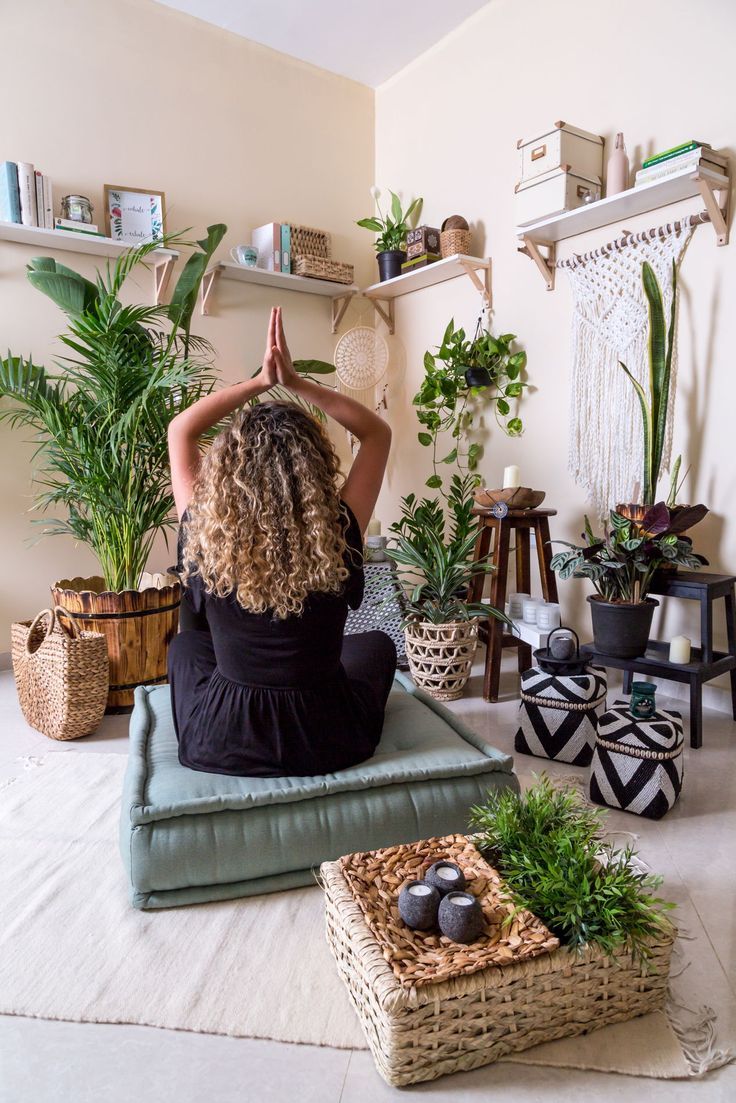
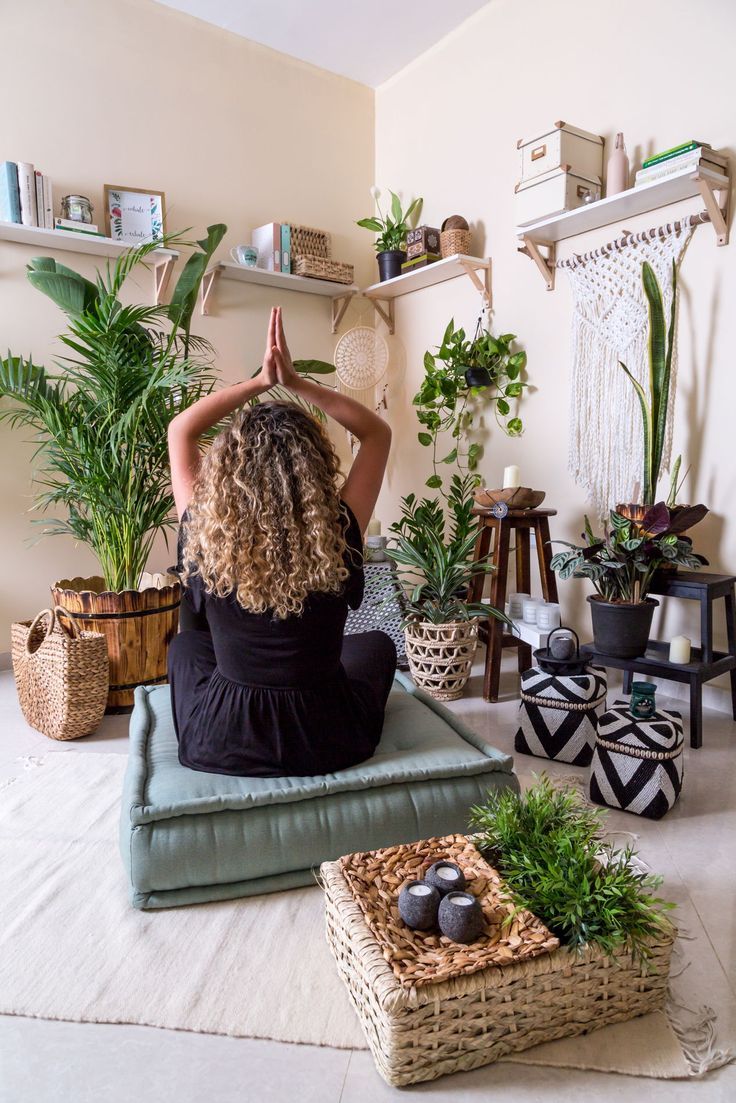
A major shift is toward what’s being called "soft maximalism’ in interior design. This isn"t about clutter, but about incorporating texture, warmth, and personality. Think woven wall hangings, plush rugs, and a curated collection of objects that bring you joy. It's a departure from stark white walls and a nod towards creating a space you genuinely want to be in.
Bringing the outdoors in is a standard move, but it's getting more specific. Instead of just buying a random fern, people are using wood, stone, and bamboo to mimic natural shapes. It works because humans generally feel less stressed when they aren't surrounded by plastic and sharp angles.
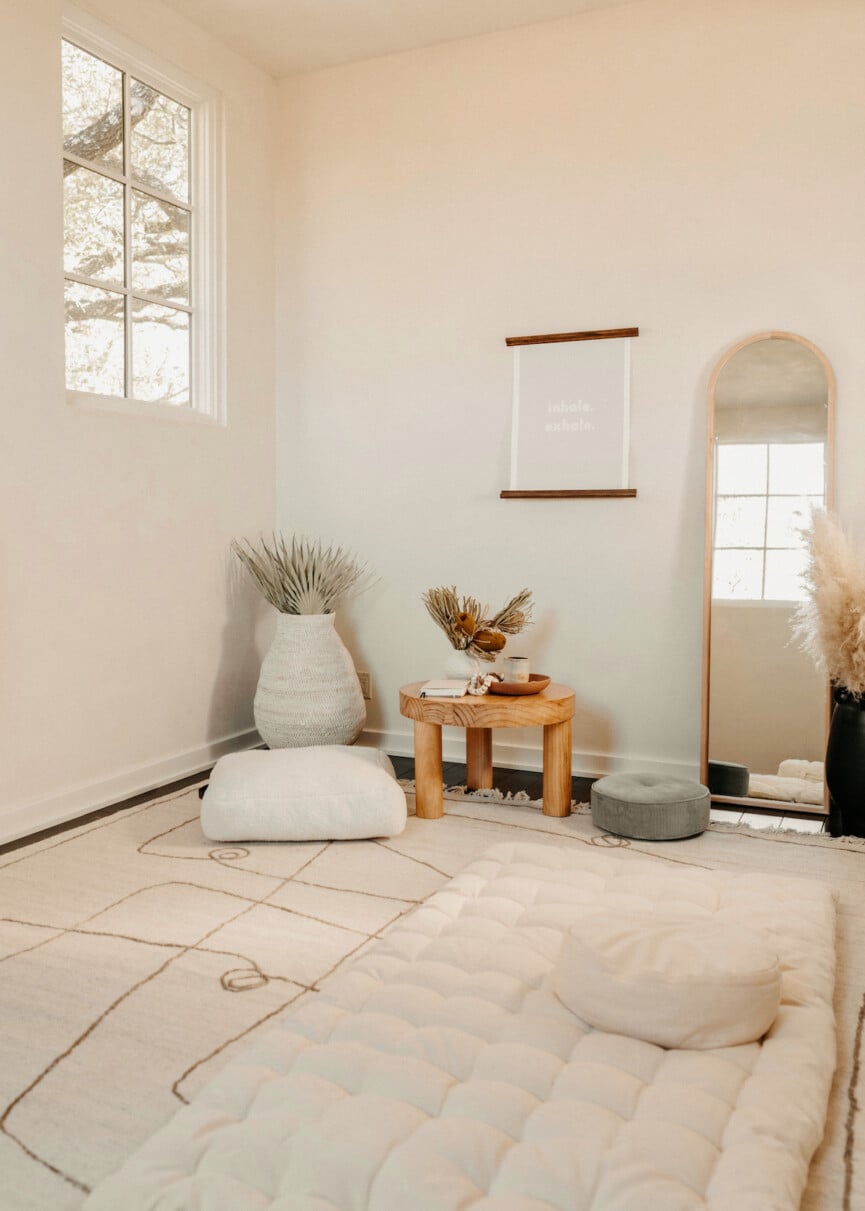
Color palettes are also softening. While neutrals are still popular, there’s a move away from cool grays and towards warmer tones like beige, taupe, and terracotta. These earthy colors create a grounding and inviting atmosphere. Accents of muted greens, blues, and ochre are also gaining traction, adding a touch of color without being overwhelming. The goal is to create a space that feels serene and balanced, not sterile and clinical.
How to design on a budget
Creating a dedicated meditation space doesn’t require a complete home renovation or a hefty budget. It’s entirely possible to cultivate a zenful environment on a shoestring. The key is to prioritize intention over expense and get creative with what you already have.
Let’s break down potential costs. Under $200: This is achievable by focusing on decluttering and repurposing. A comfortable cushion ($30-$50), a soft throw blanket ($20-$40), and a few candles or fairy lights ($15-$30) can go a long way. Repaint a small corner with a calming color if you can, or simply use textiles to define the space. Thrift stores are your friend here.
$500: With a bit more to spend, you can add some foundational pieces. A comfortable meditation chair or floor cushion ($100-$200), a small area rug ($100-$150), and some carefully chosen artwork or wall hangings ($50-$100) will elevate the space. Consider adding a small bookshelf for meditation books and resources. You might also be able to invest in a basic aromatherapy diffuser.
$1000: This allows for more substantial changes. You could invest in a higher-quality meditation chair ($200-$400), a larger area rug ($200-$300), and more elaborate decor like plants, wall sculptures, or a small water feature. You could also allocate some funds towards soundproofing or better lighting options. Don’t feel pressured to spend it all at once; build your space gradually.
Meditation Room Design Options by Budget and Aesthetic (2026 Trends)
| Aesthetic | Budget: $0-200 | Budget: $200-500 | Budget: $500-1000+ |
|---|---|---|---|
| Minimalist | Focus on decluttering existing space. Utilize existing neutral-toned furniture. Add a simple cushion or floor pillow. Difficulty: Easy | Introduce a small area rug, a single piece of calming artwork, and improved lighting (fairy lights or a salt lamp). Difficulty: Medium | Invest in high-quality minimalist furniture, such as a low platform bed or a dedicated meditation chair. Incorporate subtle, integrated lighting. Difficulty: Medium |
| Bohemian | Repurpose existing textiles – blankets, throws, pillows – in warm, earthy tones. Utilize thrifted finds for decor. Add potted plants. Difficulty: Easy | Introduce a patterned rug, macrame wall hangings, and more substantial plant life. Source vintage furniture pieces. Difficulty: Medium | Layer textures with high-quality rugs, tapestries, and cushions. Invest in comfortable, bohemian-style seating and unique lighting fixtures. Difficulty: Hard |
| Natural/Biophilic | Bring in existing houseplants. Utilize natural light as much as possible. Incorporate natural materials like wood or stone if already present. Difficulty: Easy | Add more plants, including a small indoor tree. Introduce natural fiber rugs (jute, sisal). Use a nature-inspired color palette. Difficulty: Medium | Create a full 'living wall' or incorporate a water feature. Utilize natural materials extensively – wood flooring, stone accents. Focus on maximizing natural light and ventilation. Difficulty: Hard |
| Modern | Declutter and organize existing space. Introduce a geometric patterned cushion or throw. Utilize a neutral color palette with clean lines. Difficulty: Easy | Add a statement piece of modern art, a sleek area rug, and updated lighting fixtures. Invest in a comfortable meditation cushion or chair with a modern design. Difficulty: Medium | Invest in high-quality modern furniture, including a dedicated meditation chair or chaise lounge. Incorporate smart home technology for lighting and sound control. Difficulty: Hard |
| Combined: Natural/Minimalist | Focus on decluttering and incorporating a few key plants. Utilize natural light. Difficulty: Easy | Introduce natural fiber rugs and a small selection of calming artwork featuring natural themes. Difficulty: Medium | Combine minimalist furniture with abundant plant life and natural materials. Integrate smart home features for automated lighting and soundscapes. Difficulty: Medium |
Illustrative comparison based on the article research brief. Verify current pricing, limits, and product details in the official docs before relying on it.
Choosing colors that actually work
Color has a profound impact on our mood and emotions, and choosing the right colors for your meditation space is essential. It's not simply about picking your 'favorite' color; it’s about understanding how different hues affect the mind and body. Blue is often touted as calming, and that’s generally true, but the shade of blue matters immensely.
Dusty blues and muted teals evoke a sense of tranquility and spaciousness, reminiscent of the ocean or sky. These are excellent choices for creating a serene atmosphere. Brighter, more vibrant blues can be energizing, but potentially distracting for meditation. Greens, similarly, can be incredibly calming, particularly shades that mimic nature – olive green, sage green, or forest green. Avoid overly bright or neon greens, as they can feel artificial and jarring.
Warm earth tones like beige, terracotta, and ochre promote feelings of grounding and stability. These colors create a cozy and inviting atmosphere, perfect for cultivating a sense of inner peace. Consider incorporating these colors through rugs, cushions, or wall hangings. Avoid strong reds and oranges, which can be stimulating and create a sense of urgency.
It’s also important to consider the existing colors in the room. If you have brightly colored walls, you might need to balance them out with neutral accents. If the room receives a lot of natural light, you can experiment with bolder colors. Ultimately, the best colors for your meditation space are the ones that resonate with you and help you feel relaxed and centered.
- Blue: Dusty or muted shades feel spacious, while bright blues can be too distracting.
- Green: Calmness, connection to nature (olive, sage, forest)
- Earth Tones: Grounding, stability (beige, terracotta, ochre)
- Avoid: Bright reds, oranges, and neon colors
Color & Mood Associations
- Lavender - Known to promote relaxation and reduce feelings of anxiety, lavender can create a calming atmosphere. Use: Incorporate lavender hues in cushions, throws, or a subtle accent wall.
- Soft Blue - Evokes feelings of tranquility, peace, and serenity, often associated with the sky and water. Use: Paint the walls a soft blue, or use blue-toned artwork and textiles.
- Sage Green - Represents growth, harmony, and balance, offering a grounding and restorative effect. Use: Introduce sage green through plants (like snake plants or peace lilies), rugs, or painted furniture.
- Warm Gray - Provides a neutral and sophisticated backdrop that doesn’t overwhelm, promoting a sense of calm and stability. Use: A warm gray for the walls allows other elements like artwork and meditation cushions to stand out.
- Terracotta - Grounding and earthy, terracotta connects us to nature and fosters a sense of comfort and security. Use: Incorporate terracotta pots for plants, or use terracotta-colored textiles for a warm, inviting feel.
- Pale Peach - Offers a gentle and optimistic energy, promoting feelings of warmth and emotional balance. Use: Use pale peach as an accent color in artwork, candles, or small decorative items.
- Cream/Off-White - Creates a bright, airy, and peaceful space, maximizing natural light and promoting clarity. Use: A cream or off-white base for walls and larger furniture pieces provides a versatile foundation.
Smart tech for focus
Smart home technology can be a valuable tool for enhancing your meditation practice, but it’s important to approach it mindfully. The goal isn't to turn your meditation space into a futuristic control center, but to create an environment that supports relaxation and focus. It’s about subtlety and integration, not about flashy gadgets.
Smart lighting is actually useful here. Systems like Philips Hue let you automate a slow dim when you start a session, which is a better physical cue than a phone alarm. I've found that setting them to mimic sunset helps the brain shift gears faster.
Sound systems can be used to play guided meditations, ambient music, or nature sounds. Sonos is a popular choice for its high-quality audio and multi-room capabilities. You can also use smart speakers like Amazon Echo or Google Home to access a wide range of meditation apps and services. However, be mindful of notifications and distractions – put your phone on "Do Not Disturb" mode.
Aromatherapy diffusers can enhance the sensory experience of meditation. Smart diffusers allow you to control the intensity and timing of the scent, creating a personalized aromatherapy experience. You can also integrate them with your smart home system to automatically turn on when you start your meditation session. Remember though, scent preferences are highly personal. Experiment to find what works for you.
- Smart lighting: Use Philips Hue or similar bulbs to automate your light cycles.
- Sound Systems: Sonos, Amazon Echo, Google Home
- Aromatherapy Diffusers: Smart diffusers with scheduling and intensity control
Zenful State's Top Smart Home Picks for Your Budget Meditation Room

Millions of colors and shades of white light · Control with voice assistants or the Hue app · Set schedules and routines for ambiance
These smart bulbs allow you to customize lighting to create a serene and personalized atmosphere for your meditation space, easily controlled via voice or app.

World-class noise cancellation · Comfortable over-ear design · Up to 24 hours of battery life
Bose QuietComfort headphones provide an immersive audio experience and effective noise cancellation, essential for minimizing external distractions during meditation.

Lightweight design for comfortable wear · Integrated Sony noise canceling technology · Long battery life for extended sessions
These lightweight, noise-canceling headphones from Sony offer a comfortable and distraction-free listening experience, perfect for deep meditation.
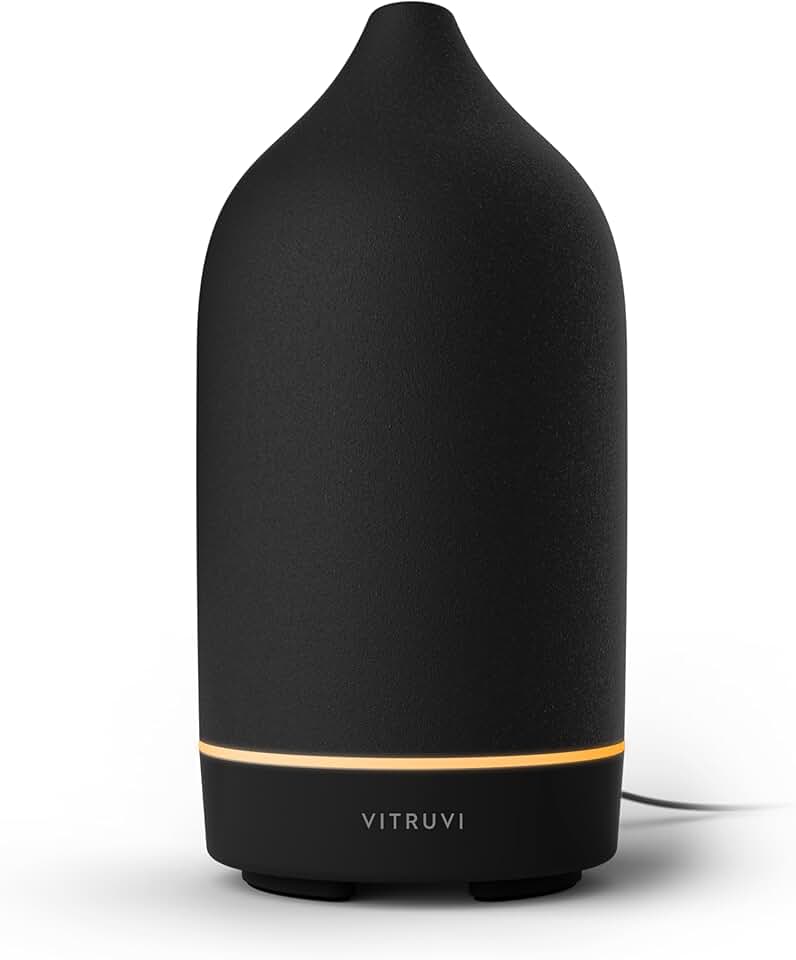
Ultrasonic diffusion technology · Elegant ceramic design · 90ml water capacity for extended use
The Vitruvi Stone Diffuser uses ultrasonic technology to disperse essential oils, enhancing the calming ambiance of your meditation room with a sophisticated aesthetic.
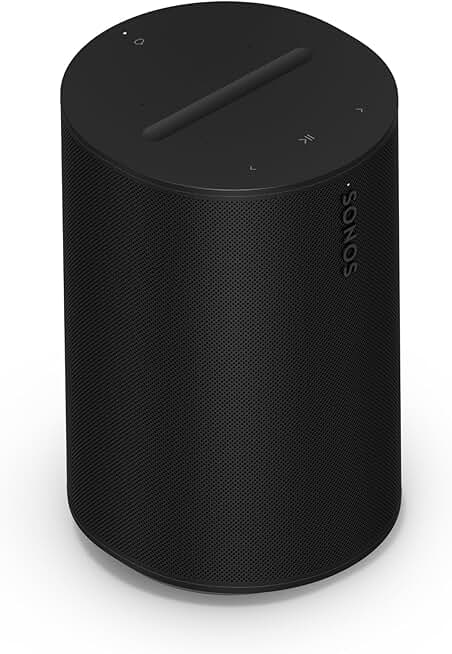
High-fidelity stereo sound · Built-in Alexa voice control · Stream music and ambient sounds wirelessly
This smart speaker delivers rich audio for guided meditations or calming soundscapes, with integrated Alexa for hands-free control, adding a modern touch to your sanctuary.
As an Amazon Associate I earn from qualifying purchases. Prices may vary.
Using plants and natural materials
Incorporating plants and other natural elements into your meditation space is a powerful way to enhance its calming and restorative qualities. This aligns with the biophilic design principle, which suggests that humans have an innate connection to nature.
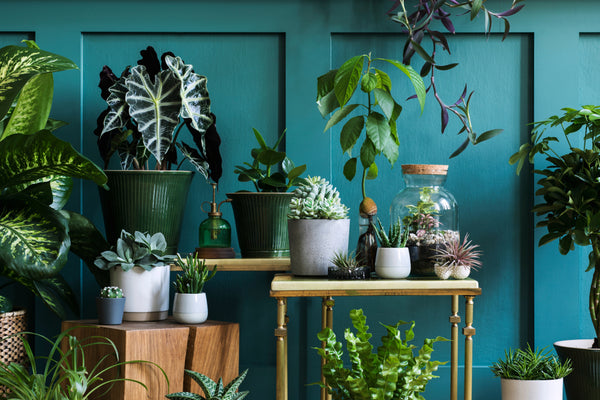
Plants not only purify the air, but they also reduce stress and promote a sense of well-being. Snake plants and spider plants are excellent choices for beginners, as they are easy to care for and thrive in low-light conditions. Peace lilies and pothos are also good options. Consider the size of your space and choose plants that won’t overwhelm the room.
Beyond plants, you can also incorporate other natural elements like stones, wood, and water features. Smooth river stones can be used as decorative accents or as a grounding element during meditation. Wooden furniture and decor add warmth and texture. While small indoor water fountains can be soothing, they require maintenance and may not be practical for everyone.
The key is to create a space that feels connected to nature. Even a small vase of flowers or a bowl of shells can make a difference. The presence of natural elements reminds us of the beauty and tranquility of the natural world, helping us to quiet the mind and connect with our inner peace.
Making it work in small spaces
Creating a meditation space in a small home or apartment can be challenging, but it’s certainly possible. You don’t need a dedicated room – even a small corner can be transformed into a peaceful sanctuary. The key is to maximize space and be creative with your design.
Utilize corners that are often overlooked. A comfortable cushion, a small rug, and a few candles can define a meditation zone without taking up much space. Consider using a folding screen or room divider to create a sense of separation. Vertical space is your friend – install shelves to display plants, books, or decorative objects.
A 'portable meditation space' is a great option for those with limited space. This could be a meditation cushion, a blanket, and a few essential oils stored in a basket or bag. You can easily set up your meditation space wherever you have room – on the floor, on a bed, or even in a chair.
Here's a simple step-by-step guide to creating a small meditation space: Step 1: Choose a quiet corner. Step 2: Clear the space and declutter. Step 3: Add a comfortable cushion or mat. Step 4: Incorporate calming elements like plants, candles, or artwork. Step 5: Designate this space solely for meditation.
Zenful State Essentials for Your Budget-Friendly Meditation Sanctuary

Large rose velvet Zafu and Zabuton set for comfortable floor seating · Buckwheat filling provides firm yet yielding support · Traditional Tibetan design suitable for meditation and yoga
This meditation cushion set offers traditional comfort and support, creating a dedicated and inviting space for your practice.

Collection of 5 audiobooks totaling over 70 hours of content · Includes deep sleep stories, guided meditations, and anxiety relief · Designed to promote relaxation, reduce stress, and improve sleep
This audiobook collection provides an accessible and immersive auditory experience to deepen relaxation and mindfulness without additional cost.

Set of six natural essential oil blends · Includes popular scents like Breathe Easy, Tranquility, and Calming Sleep · Suitable for use with diffusers to enhance aromatherapy
These essential oil blends offer an affordable way to introduce calming aromas into your meditation space, promoting a serene atmosphere.

Organic linen eye pillow filled with lavender and flaxseed · Can be used heated or cooled for targeted relaxation · Designed for stress relief during meditation and yoga
This organic eye pillow provides gentle pressure and soothing aromatherapy, enhancing relaxation and blocking out distractions.

Introductory guide to the practice of meditation · Explains the principles and benefits of mindfulness · Suitable for beginners seeking to start a meditation practice
This book serves as an excellent foundational resource for understanding and beginning a meditation practice, aligning with the goal of creating a mindful space.
As an Amazon Associate I earn from qualifying purchases. Prices may vary.

No comments yet. Be the first to share your thoughts!