

What is a Zenful State
The Merriam-Webster dictionary defines zen as "a state of calm attentiveness." For busy professionals, this definition offers a practical shortcut. It is not about emptying your mind or achieving spiritual enlightenment. It is about a specific mental posture where actions are guided by intuition rather than conscious effort.
This distinction matters. Generic relaxation often implies passivity—lying down, zoning out, or disconnecting. A Zenful State is active. It is the focus you experience when you are fully engaged in a task, losing track of time and self-consciousness. In a high-stakes workday, this state allows you to navigate complex problems with clarity and speed.
Reaching this state does not require hours of silence. A quick 5-minute practice can reset your nervous system, shifting you from reactive stress to a calm, focused mindset. This is the foundation for the tools we evaluate below.
Why 5 Minutes Works for Busy Schedules
The most common barrier to meditation is the belief that it requires an hour of silence. Many professionals skip it for this reason. But meditation is not about clearing your mind for hours; it is about resetting your nervous system. Five minutes is enough time to lower cortisol levels and regain focus without derailing your day.
Think of a short meditation like hitting the refresh button on a frozen computer. You do not need to reinstall the operating system to get it running again. A brief pause allows your brain to shift from reactive stress to intentional action. This quick reset helps you approach your next meeting or task with clarity rather than anxiety.
Consistency beats duration every time. Meditating for five minutes daily is far more effective than one hour once a month. Apps designed for Zenful State meditation make this easy by offering bite-sized sessions that fit into your commute, lunch break, or before bed. The goal is to build a habit, not to achieve enlightenment in a single sitting. By keeping sessions short, you remove the friction of starting, making it easier to stick with the practice long-term.
Top Apps for Quick Zenful Practice
Finding a Zenful State doesn't require an hour of silence or a retreat to a monastery. For busy professionals, the most effective meditation tools are those that respect your time. The best apps for this purpose offer structured, short sessions—typically five minutes or less—that fit seamlessly into a workday break, a commute, or the moments before a high-stakes meeting.
The goal is to shift your nervous system from reactive to responsive. These apps are selected because they prioritize ease of use and immediate accessibility. They strip away complex rituals, allowing you to access a calm, focused state with a single tap.
Headspace: Guided Structure for Beginners
Headspace remains a top choice for professionals who need clear guidance. Its library of "SOS" sessions and quick 3-to-5-minute meditations is specifically designed for moments of acute stress or transition. The app’s interface is clean and intuitive, reducing the cognitive load of choosing what to meditate on. You simply open the app and follow the visual and audio cues, which helps anchor your attention quickly.
The strength of Headspace lies in its bite-sized content. You can complete a "Focus" or "Sleep" animation in the time it takes to brew a coffee. This consistency helps build the habit of entering a Zenful State without feeling overwhelmed by a lengthy commitment. The guided nature of the sessions ensures that even if your mind is racing, the instructor provides a steady path back to center.
Waking Up: Secular Mindfulness for Critical Thinkers
Waking Up takes a more intellectual approach, which appeals to professionals who prefer evidence-based practices over spiritual language. Created by neuroscientist Sam Harris, the app offers short, daily lessons that explain the mechanics of consciousness alongside practical meditation techniques. The "5-Minute Daily Practice" feature is robust, offering variations that target focus, compassion, or open awareness.
This app is ideal for those who want to understand the "why" behind their practice. The concise sessions are backed by rigorous research, providing a sense of efficiency that resonates with a professional mindset. By combining philosophical inquiry with direct experience, Waking Up helps users maintain a Zenful State of mind that is both calm and critically aware.
Insight Timer: Variety and Community
Insight Timer stands out for its massive library of free content and customizable timers. While it has premium features, its core value for quick practice is the ability to filter sessions by duration. You can instantly find thousands of five-minute meditations from diverse teachers, ensuring you never get bored with the same voice or style. The community aspect also provides a subtle sense of connection, which can be grounding during isolated workdays.
The app’s timer function is particularly useful for professionals who prefer silence but want gentle audio cues to mark the passage of time. This allows for a pure, unguided Zenful State practice that fits exactly into a tight schedule. Whether you need a quick breathing exercise or a guided body scan, the variety ensures you can find the right tool for your immediate mental state.
Ten Percent Happier: Practical Skepticism
Ten Percent Happier is built for the "fidgety skeptic," a demographic that includes many busy professionals. The app features short, no-nonsense meditations taught by experienced teachers who avoid esoteric jargon. The "Quick Start" section offers 5-to-10-minute sessions that are directly applicable to workplace stress, such as managing difficult conversations or maintaining focus during long projects.
The platform’s strength is its practicality. Each session is designed to yield tangible results in how you handle daily pressures. The app’s straightforward design minimizes distractions, allowing you to dive straight into the practice. For those who find traditional meditation apps too soft or vague, Ten Percent Happier provides a grounded, effective path to a Zenful State.


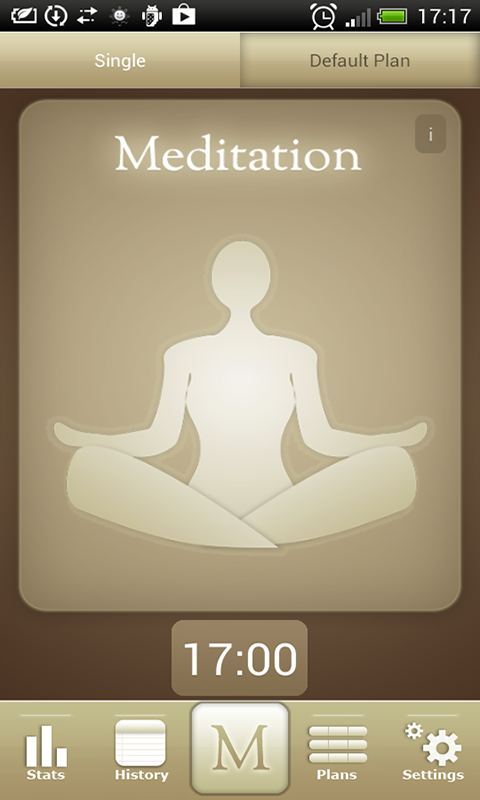
As an Amazon Associate, we may earn from qualifying purchases.
Comparing Zenful State meditation apps
Choosing the right meditation tool depends on how much time you have and what features matter most for your workflow. Below is a side-by-side look at the top-rated apps for achieving a Zenful State, focusing on cost, platform support, and session length.
| App | Cost | Platforms | 5-Min Sessions |
|---|---|---|---|
| Headspace | Subscription | iOS, Android, Web | Yes |
| Calm | Subscription | iOS, Android, Web | Yes |
| Insight Timer | Free + Premium | iOS, Android, Web | Yes |
| Ten Percent Happier | Subscription | iOS, Android, Web | Yes |
All four options support quick, five-minute sessions, which is essential for busy professionals who need to reset between meetings. While Headspace and Calm offer polished, guided experiences for a monthly fee, Insight Timer provides a vast library of free content with optional premium courses. Ten Percent Happier focuses on practical, science-backed techniques for skeptics.
Select the app that fits your budget and preferred interface. Most offer free trials, allowing you to test the Zenful State features before committing to a subscription.
How to Start Your Morning Routine
Integrating a Zenful State meditation app into your morning doesn’t require a complete lifestyle overhaul. The goal is to anchor your practice to an existing habit, creating a seamless transition from sleep to alertness. Think of this as setting the foundation for your day’s mental clarity.
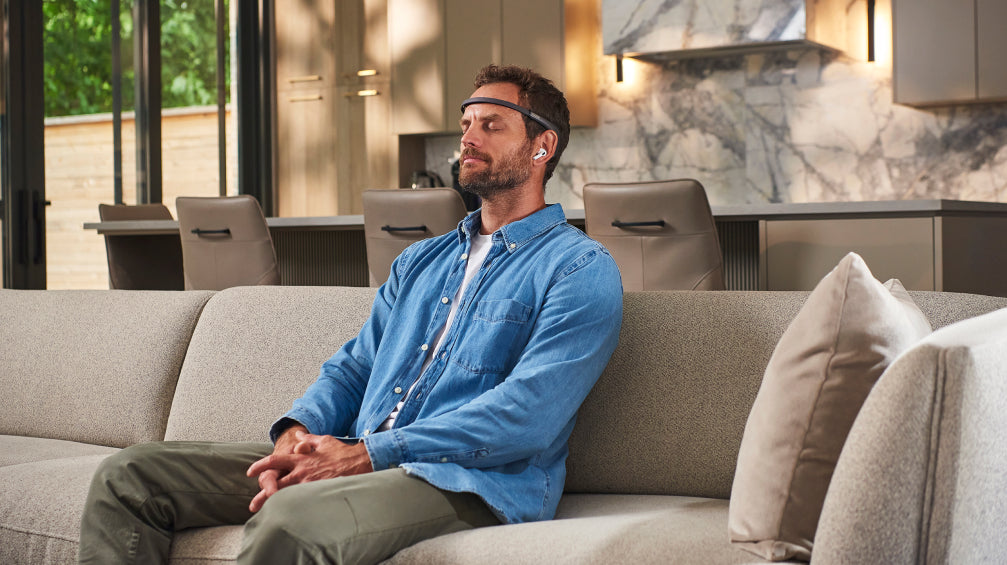
Start with the shortest available session. Most Zenful State apps offer guided tracks specifically designed for beginners or time-constrained mornings. A five-minute session is enough to lower cortisol levels without eating into your commute or preparation time. Consistency matters more than duration at this stage.

Find a spot where you won’t be disturbed. This could be a corner of your bedroom, a quiet chair in the living room, or even your parked car before heading into the office. Remove physical distractions like your phone notifications or household noise. The physical space signals to your brain that it is time to shift into a Zenful State.

Anchor your meditation to a specific trigger. If you brush your teeth at 7:00 AM, meditate immediately after. If you drink coffee, meditate before the first sip. By linking the app usage to a non-negotiable daily action, you reduce the mental friction of deciding when to start. This habit stacking makes the practice automatic rather than optional.

Rely on the app’s guided tracks rather than silent sitting for your first few weeks. Zenful State apps provide voice cues that help you return to focus when your mind wanders, which is natural upon waking. The external guidance reduces the cognitive load of managing your own practice, allowing you to fully experience the calming effects of the Zenful State.
By following these steps, you transform meditation from an abstract goal into a concrete morning ritual. The key is to keep it simple and repeatable. Once the habit is established, you can gradually increase session length or explore more advanced techniques within the app.
Frequently asked: what to check next
What is a Zenful State?
A Zenful State is a mental posture characterized by calm attentiveness, where actions are guided by intuition rather than conscious effort. It is a form of active focus, distinct from passive relaxation, allowing you to navigate complex problems with clarity and speed.
How long should a Zenful State session be?
Five minutes is sufficient to reset your nervous system and lower cortisol levels. Consistency with short, daily sessions is more effective than occasional long practices, especially for busy professionals.
Can I use Zenful State meditation during work breaks?
Yes. Zenful State is designed for short, impactful sessions that fit into a busy schedule. You can use it for five-minute mindfulness breaks between meetings or during lunch to reset your focus and reduce stress.
No comments yet. Be the first to share your thoughts!