

Can an app actually help you find peace?
Life is loud. Between work and the constant buzz of notifications, finding five minutes of quiet is a chore. Most people turn to meditation to shut out the noise, but the idea of sitting in silence for an hour feels impossible. AI apps promise to fix that by making 'zen' something you can just download.
The core question is this: can an app really deliver a "zenful state,’ or is consistent, traditional practice essential for lasting inner peace? The rise of artificial intelligence in wellness is undeniable, with apps now offering personalized guidance, biofeedback, and even AI-generated soundscapes. It"s appealing, no doubt, but it also raises concerns. Are we sacrificing depth for convenience? Is genuine connection with ourselves possible through a screen?
We’re seeing a surge in apps claiming to reduce stress, improve sleep, and boost mindfulness. Headspace, Calm, and Insight Timer are household names, but a new wave of AI-powered tools is emerging. These apps promise to tailor experiences to your individual needs, track your progress, and even adapt to your emotional state. While the convenience is attractive, it's important to consider what might be lost in translation when replacing a human teacher or a quiet space with an algorithm. This guide will explore both sides of the coin, helping you navigate the evolving world of meditation in 2026.
The tech behind the screen
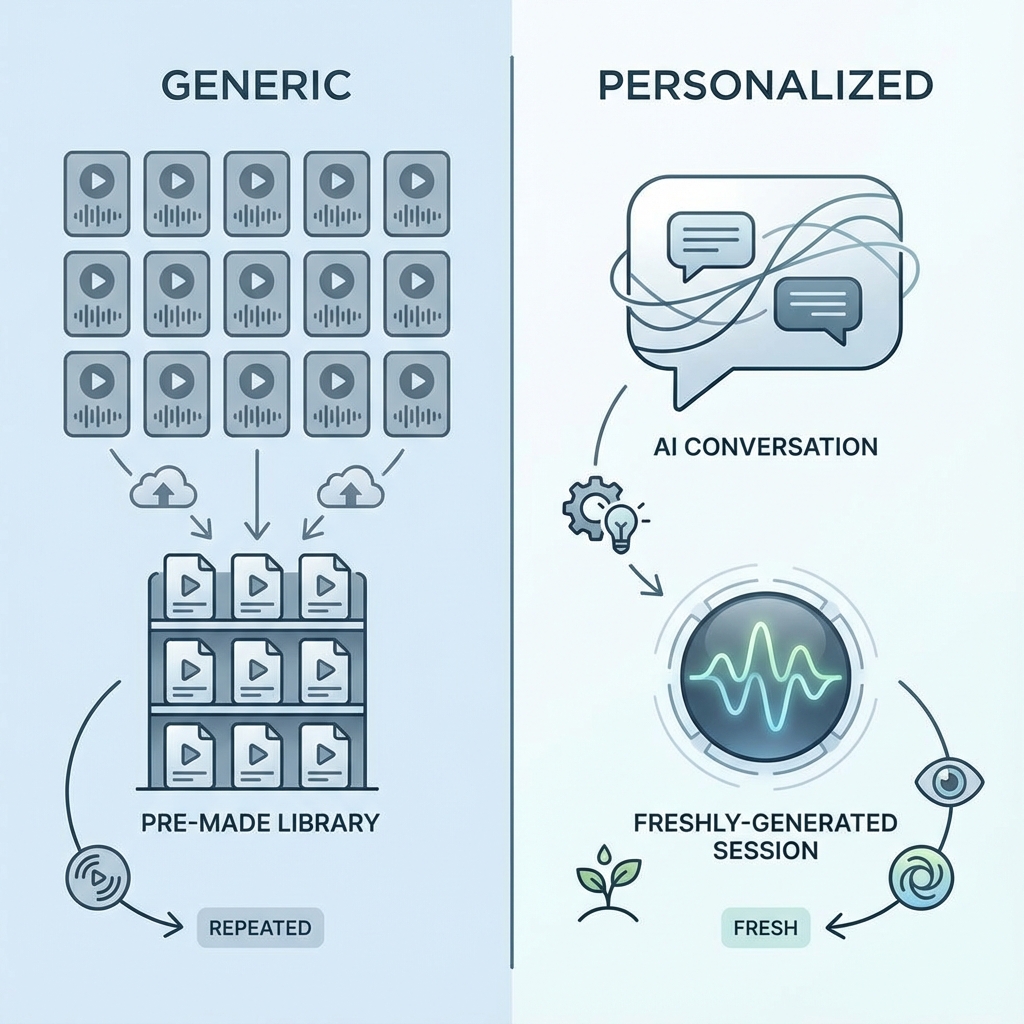
AI meditation apps aren’t simply pre-recorded guided meditations. They leverage several key technologies to create a more personalized experience. Machine learning algorithms analyze your usage patterns – the types of meditations you choose, your session length, even your reported mood – to recommend content that aligns with your needs. This goes beyond simple categorization; the app learns you over time.
Natural language processing (NLP) is another crucial component. Apps like Woebot, while initially focused on mental health support, now integrate meditation features powered by NLP. This allows the app to understand and respond to your emotional cues, offering tailored guidance and support. Some apps also incorporate biofeedback, using data from wearable devices to adjust the meditation experience in real-time. For example, an app might detect an elevated heart rate and guide you through a calming breathing exercise.
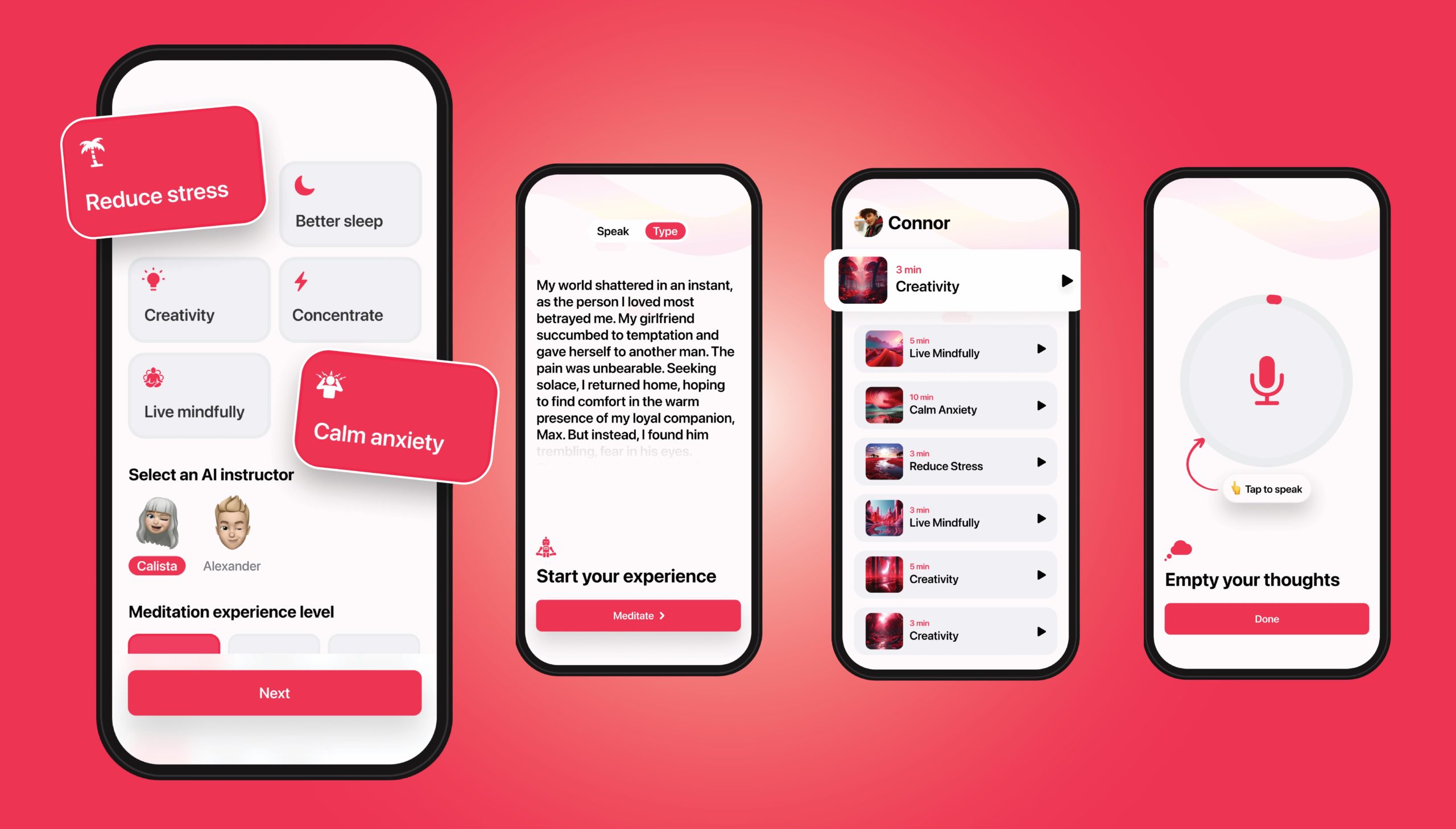
These apps try to guess what you need. If you aren't sleeping, you get a sleep story. If you're distracted, you get a focus exercise. It takes the guesswork out of picking a track, though the advice is only as good as the data you give the app.
It’s also important to understand that “AI” is a broad term. The level of AI integration varies significantly between apps. Some simply use algorithms to curate content, while others employ more advanced techniques like reinforcement learning to optimize the meditation experience based on your feedback. As the technology evolves, we can expect to see even more sophisticated AI-powered meditation tools emerge.
The Top AI Meditation Apps of 2026
The AI meditation app market is crowded, but a few stand out for their features, user experience, and overall effectiveness. Here’s a look at some of the leading contenders as of 2026.
Headspace: Still a dominant player, Headspace has integrated AI to personalize its “Everyday Headspace” series. The app now adjusts the difficulty and content based on your reported stress levels and sleep patterns. It’s known for its approachable style and beautifully designed interface. A subscription costs around $12.99 per month or $69.99 annually.
Calm: Calm continues to excel in sleep-focused meditation, leveraging AI to create dynamic soundscapes that adapt to your breathing. Their “Daily Calm” series utilizes AI to select meditations based on current events and user feedback. The app also features Masterclasses taught by celebrities and experts. Pricing is comparable to Headspace.
Insight Timer: While offering a vast library of free content, Insight Timer’s premium subscription ($9.99/month or $59.99/year) now includes an AI-powered meditation recommendation engine. It analyzes your listening history and provides personalized suggestions from its extensive catalog. The sheer volume of content can be overwhelming, but the AI helps narrow the focus.
Woebot: Originally a chatbot for mental health, Woebot has expanded to include guided meditations. Its AI-driven approach is particularly helpful for individuals struggling with anxiety and depression. The app’s conversational style makes it feel more like a dialogue than a lecture. Subscription is $30/month.
Breethe: Breethe focuses on providing personalized meditation plans tailored to your goals. Its AI algorithm asks detailed questions about your lifestyle and preferences to create a customized program. The app also offers sleep stories and music designed to promote relaxation. Pricing starts at $89.99 annually.
Muse S (with the Muse app): This option takes a different approach, combining a wearable brain-sensing headband with an app. The headband tracks your brain activity during meditation and provides real-time feedback, helping you learn to quiet your mind. It’s more expensive than other options (headband around $399), but offers a unique and data-driven experience.
Balance: Balance stands out for its one-on-one meditation coaching delivered via AI. The app adapts to your progress and provides personalized feedback, mimicking the experience of working with a human teacher. The subscription is $14.99 per month.
Serenity: Serenity is a newer app gaining traction for its focus on sound-based meditation. It uses AI to generate personalized soundscapes based on your preferences and physiological data. It’s a good option for those who find traditional guided meditations overwhelming. Subscription is $9.99/month.
Zenful State Essentials: Enhance Your Meditation Journey

Active Noise Cancelling · Up to 24 hours of playtime · USB-C charging
These headphones create a serene environment by actively canceling out distractions, allowing for deeper immersion in your meditation practice.

Auto Noise Cancelling Optimizer · 30-hour battery life · Alexa voice control
Experience unparalleled tranquility with intelligent noise cancellation and extended battery life, perfect for uninterrupted meditation sessions.

Buckwheat hull fill for support · Removable OEKO-TEX certified cover · Suitable for meditation, yoga, and relaxation
This bolster pillow provides essential ergonomic support, promoting proper posture and comfort for longer, more restorative meditation.

Adjustable buckwheat hull fill · 17-inch crescent design · Durable cotton cover
The adjustable buckwheat fill offers customizable support, ensuring optimal comfort and alignment for your meditation practice.

Includes 6 distinct essential oil blends · Designed for aromatherapy and humidifiers · Promotes relaxation and well-being
This essential oil kit enhances your meditation space with calming aromas, fostering a more peaceful and therapeutic atmosphere.
As an Amazon Associate I earn from qualifying purchases. Prices may vary.
Where meditation started
Before the advent of apps and AI, meditation was a practice rooted in ancient traditions. Techniques like Vipassana, Zen, and Transcendental Meditation have been cultivated for centuries, each with its own unique approach to achieving a zenful state. Vipassana, originating in India, emphasizes mindful observation of breath and bodily sensations. Zen meditation, stemming from Chinese Chan Buddhism, focuses on zazen – seated meditation – and often involves koans (paradoxical riddles) to challenge conventional thinking.
Transcendental Meditation (TM), popularized by Maharishi Mahesh Yogi, utilizes mantras – specific sounds or phrases – to quiet the mind. Mindfulness meditation, a more secular approach, encourages present-moment awareness without judgment. While the specific techniques differ, they all share the common goal of cultivating inner peace and wisdom. These practices aren't about escaping thoughts; they’re about learning to observe them without getting carried away.
The benefits of traditional meditation are well-documented. A study published in JAMA Internal Medicine (Goyal et al., 2014) found that mindfulness meditation programs resulted in small to moderate reductions in anxiety, depression, and pain. Research from the University of Wisconsin-Madison (Davidson et al., 2003) demonstrated that long-term meditators exhibit increased activity in brain regions associated with positive emotions and decreased activity in regions associated with stress. These findings highlight the profound impact of meditation on both mental and physical well-being.
However, traditional meditation isn’t without its challenges. It requires discipline, patience, and often, guidance from an experienced teacher. It can be difficult to maintain a consistent practice in the face of daily distractions. Common misconceptions include the belief that meditation requires emptying the mind (it’s about observing thoughts, not eliminating them) and that it’s a religious practice (while rooted in religious traditions, it can be practiced secularly).
Apps vs. the cushion
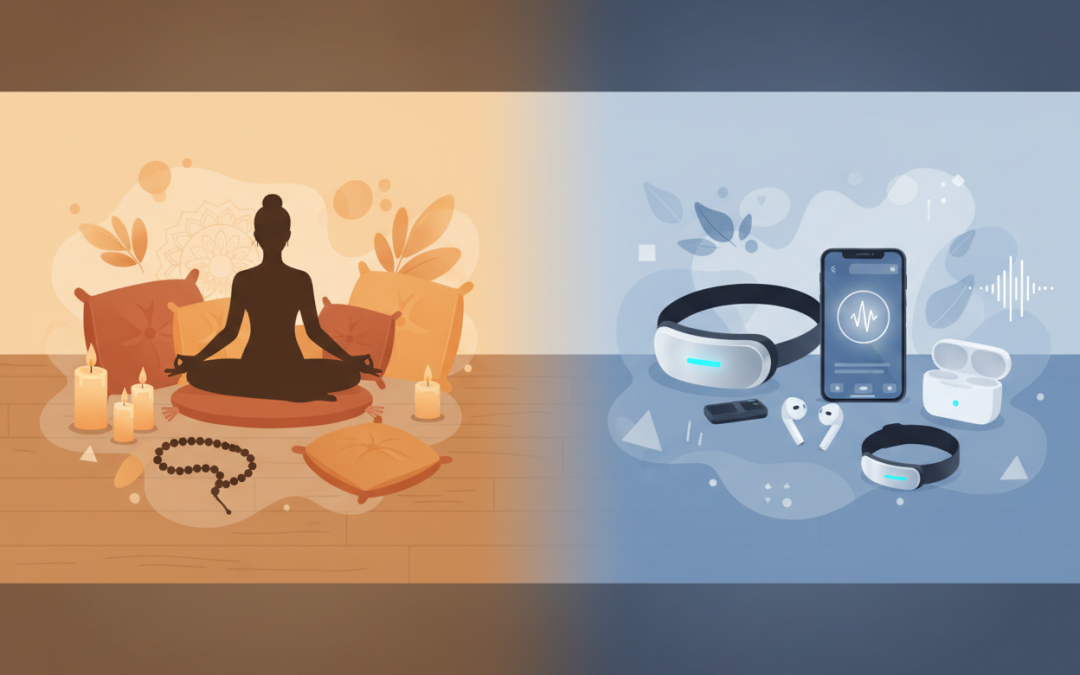
Comparing AI-powered meditation apps to traditional practice isn’t about declaring a winner, but rather understanding the strengths and weaknesses of each approach. Accessibility is a clear advantage for apps. They’re available anytime, anywhere, and often at a lower cost than traditional classes or retreats. Personalization is another benefit; AI can tailor the experience to your individual needs and preferences.
However, traditional practice offers something apps often can’t: the guidance of a qualified teacher. A teacher can provide personalized feedback, address specific challenges, and deepen your understanding of the underlying principles of meditation. This human connection is invaluable for many practitioners. The potential for distraction is also higher with apps. Notifications, social media, and the temptation to multitask can easily derail your practice.
Cost is a significant factor. While many apps offer free content, premium features typically require a subscription. Traditional meditation classes or retreats can be expensive, but may offer a more immersive and transformative experience. In terms of guidance, apps rely on algorithms, while traditional practice relies on human wisdom and experience. The quality of that guidance varies widely in both cases, of course.
Ultimately, the choice between AI and tradition depends on your individual needs and preferences. If you’re new to meditation and looking for a convenient and affordable way to get started, an app might be a good option. If you’re seeking a deeper, more transformative experience, traditional practice with a qualified teacher might be a better fit. It’s also worth considering that the two approaches aren’t mutually exclusive.
AI-Enhanced Meditation Apps vs. Traditional Meditation: A Comparative Overview (2026)
| Criterion | Traditional Meditation | AI-Enhanced Meditation Apps |
|---|---|---|
| Cost | Low (often free, may involve class fees) | Variable (Free options available, subscription models common) |
| Accessibility | Medium (requires finding a teacher or dedicated space/time) | High (available anytime, anywhere with a smartphone or internet connection) |
| Personalization | Medium (dependent on teacher’s ability to tailor guidance) | High (AI can adapt content based on user progress and preferences) |
| Guidance | High (direct, personalized instruction from a teacher) | Medium (guided meditations provided, AI-driven feedback emerging) |
| Distraction Potential | Low (environment dependent, requires self-discipline) | Medium (notifications, app features, and device usage can be distracting) |
| Depth of Practice | High (potential for deep exploration under experienced guidance) | Medium (depth dependent on app quality and user engagement) |
| Community Support | Medium to High (depending on class or group setting) | Low to Medium (some apps offer forums or social features, but it's often limited) |
Illustrative comparison based on the article research brief. Verify current pricing, limits, and product details in the official docs before relying on it.
Mixing both methods
The most effective approach to meditation might not be either AI or tradition, but a blend of both. Apps can serve as a valuable tool for beginners, introducing core concepts and establishing a regular practice. They can also be used to supplement a traditional practice, providing additional guidance and support.
For example, you might attend a weekly meditation class and use an app for daily practice at home. Apps can also be helpful for tracking your progress and identifying areas for improvement. Some apps, like Balance, specifically encourage this hybrid model by offering AI-powered coaching alongside access to human teachers. Others, like Insight Timer, allow you to explore a wide range of guided meditations from different teachers, blending traditional wisdom with modern technology.
Consider using an app to establish a consistent meditation routine, then gradually transitioning to unguided meditation as you become more comfortable. You can also use apps to explore different meditation techniques and find what resonates with you before seeking guidance from a teacher. The key is to be mindful of your intentions and to choose tools that support your personal journey.
Another approach is to use apps to address specific challenges. For example, if you’re struggling with sleep, you might use a sleep-focused app like Calm or Breethe. If you’re feeling anxious, you might use an app like Woebot to learn coping mechanisms. The flexibility of apps allows you to tailor your practice to your evolving needs.


No comments yet. Be the first to share your thoughts!