

How climate anxiety breaks your sleep
Climate anxiety is more than just a passing worry about the news; it's a physical weight that keeps people awake. I see it often—people lying in bed staring at the ceiling, their minds looping through worst-case scenarios for the planet. When you can't stop thinking about environmental collapse, your body stays in a state of high alert that makes rest impossible.
The link is physiological. Constant worry triggers the release of cortisol, the stress hormone. Elevated cortisol levels disrupt the natural sleep-wake cycle, making it harder to reach the deeper, more restorative stages of sleep. This creates a vicious cycle: climate anxiety disrupts sleep, and sleep deprivation exacerbates anxiety, making it even harder to cope with environmental concerns.
I’ve spoken with many people who describe feeling helpless and overwhelmed, leading to a constant state of hypervigilance. They’re checking news updates obsessively, scrolling through social media filled with alarming reports, and internalizing a sense of impending disaster. It’s exhausting, and it’s taking a toll on their mental and physical health. Acknowledging this growing problem is the first step towards finding solutions.
The impact isn’t limited to emotional distress. Sleep deprivation weakens the immune system, impairs cognitive function, and increases vulnerability to other mental health conditions. It’s a serious issue that requires proactive strategies for managing stress and promoting restful sleep. We need to address both the emotional and physiological components of eco-anxiety to break this cycle.
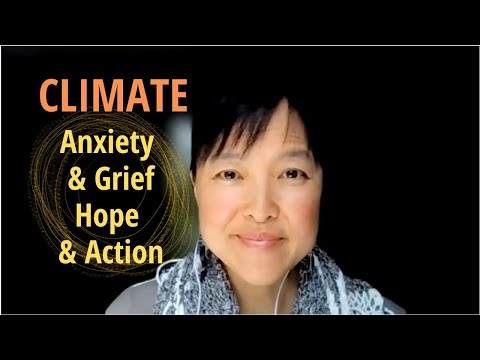
Why deep sleep helps you process dread
To understand how deep sleep meditation can help, we need to look at what happens when we actually sleep. Sleep isn’t a uniform state; it’s comprised of different stages, each with a unique function. Deep sleep, also known as slow-wave sleep, is particularly important for emotional regulation and mental restoration.
During deep sleep, the brain consolidates memories, transferring information from short-term to long-term storage. It also clears out metabolic waste products, essentially detoxifying the brain. This process is crucial for processing emotional experiences and reducing reactivity to stressors. Climate anxiety, if left unchecked, can disrupt these processes.
The amygdala, the brain’s emotional center, plays a key role in processing fear and anxiety. During sleep, the prefrontal cortex – responsible for rational thought and emotional control – helps to regulate the amygdala’s activity. However, when sleep is disrupted by anxiety, this regulation breaks down, leading to increased emotional reactivity and a heightened sense of threat. This means those anxious thoughts can feel even more intense.
Insufficient deep sleep doesn’t allow the brain to adequately process and neutralize emotional residue. This can lead to a build-up of stress hormones and a cycle of rumination, making it even harder to fall asleep the next night. Deep sleep meditation aims to address this by actively promoting relaxation and facilitating emotional processing during the sleep cycle.
Breathing to quiet the nervous system
Before diving into guided meditations, let’s explore some simple breathing exercises you can use to calm your nervous system right before bed. These techniques are accessible, require no equipment, and can provide immediate relief from anxiety. They work by activating the parasympathetic nervous system – the "rest and digest" system – which counteracts the effects of the stress response.
4-7-8 Breathing: Inhale deeply through your nose for a count of four, hold your breath for a count of seven, and exhale slowly through your mouth for a count of eight. Repeat this cycle four times. This technique helps to slow your heart rate and reduce feelings of anxiety. It’s important to exhale fully, as this signals to your body that it’s safe to relax.
Box Breathing: Visualize a square. Inhale for a count of four as you trace one side of the square, hold your breath for four as you trace the next, exhale for four as you trace the third, and pause for four as you trace the final side. Repeat several times. Box breathing promotes a sense of calm and centeredness.
Diaphragmatic Breathing (Belly Breathing): Place one hand on your chest and the other on your stomach. Inhale deeply, allowing your stomach to rise while keeping your chest relatively still. Exhale slowly, feeling your stomach fall. This technique encourages full, deep breaths, which can help to reduce stress and improve relaxation. If you find a technique difficult, don’t force it. Start with shorter durations and gradually increase as you become more comfortable.
Guided Meditation Scripts: Eco-Anxiety Focus
Here are three guided meditation scripts designed specifically to address eco-anxiety. These are intended to be read slowly and calmly, with pauses for reflection. Feel free to adapt the language to suit your own preferences. Remember, the goal is to create a sense of peace and acceptance.
Script 1: Grounding in Nature (approx. 600 words): Begin by finding a comfortable position, either lying down or sitting. Close your eyes gently. Take a few deep breaths, noticing the rise and fall of your chest or abdomen. Imagine yourself in a place in nature that feels safe and peaceful – a forest, a beach, a mountaintop. Visualize the details: the colors, the sounds, the smells. Feel the ground beneath your feet, supporting you. Notice the trees reaching towards the sky, the waves gently rolling in, the sun warming your skin. Feel a sense of connection to the natural world. Recognize that you are part of this interconnected web of life. Allow yourself to feel gratitude for the beauty and abundance of nature. Acknowledge your worries about the environment, but gently release them, knowing that you are not alone. The earth has endured many challenges throughout its history, and it will continue to evolve. You are a small part of a larger system, and your actions can make a difference. Breathe deeply, and feel the earth’s energy flowing through you. Slowly bring your awareness back to your body, and when you’re ready, gently open your eyes.
Script 2: Accepting Uncertainty (approx. 550 words): Settle into a comfortable position. Close your eyes and take a few deep breaths. Acknowledge the uncertainty surrounding the future of the planet. It’s okay to feel anxious about what might happen. Uncertainty is a natural part of life. Trying to control the uncontrollable only leads to stress and suffering. Instead, focus on what you can control: your thoughts, your actions, your choices. Practice letting go of the need to know what will happen. Trust that you have the inner resources to cope with whatever challenges may arise. Visualize a flowing river. The water represents the flow of life, constantly changing and moving forward. Observe the water without trying to stop it or control it. Accept the flow of life, with all its uncertainties. Know that even in the midst of chaos, there is still peace to be found. Breathe deeply, and allow yourself to surrender to the present moment. Slowly bring your awareness back to your body, and gently open your eyes.
Script 3: Compassion for Self and Planet (approx. 700 words): Find a comfortable position and close your eyes. Take a few deep breaths, softening your body with each exhale. Bring to mind your feelings of worry and sadness about the state of the world. Acknowledge these feelings without judgment. It’s okay to grieve for the losses we’ve already experienced and the potential losses to come. Now, extend compassion to yourself. Recognize that you are doing the best you can, given the circumstances. Be kind to yourself, as you would be to a dear friend. Repeat the following phrases silently: "May I be safe. May I be happy. May I be healthy. May I live with ease.’ Now, extend that same compassion to the planet. Visualize the earth as a living being. Feel a sense of connection to all living things. Recognize that the earth is suffering. Repeat the following phrases: ‘May the earth be safe. May the earth be healthy. May the earth be at peace." Imagine sending waves of love and healing energy to the planet. Allow yourself to feel a sense of interconnectedness and responsibility. Remember that every small act of kindness and compassion can make a difference. Breathe deeply, and slowly bring your awareness back to your body, gently opening your eyes.
Using sound to block out the noise
Soundscapes can be a powerful tool for promoting relaxation and sleep, especially when dealing with eco-anxiety. Natural sounds, like rain, ocean waves, or forest ambience, have a calming effect on the nervous system, masking disruptive noises and creating a peaceful atmosphere. Many people find that these sounds evoke a sense of connection to nature, which can be particularly helpful for those experiencing eco-anxiety.
Resources like Zen Relaxation Music on YouTube offer a wide variety of ambient soundscapes specifically designed for sleep and relaxation. Similarly, Spotify’s Zen State of Mind playlist, by Sleep Music, Relaxing Piano, and Sleep Sounds of Nature, provides a curated selection of calming sounds. Experiment with different soundscapes to find what works best for you.
Binaural beats, which involve playing slightly different frequencies in each ear, are also popular for promoting relaxation and sleep. While the research on binaural beats is still ongoing, some studies suggest they can alter brainwave activity and induce a state of calm. Approach this cautiously, as individual responses vary. You can find binaural beat tracks on platforms like YouTube and Spotify.
You can also create a personalized soundscape using ambient noise generators like MyNoise (mynoise.net). These tools allow you to customize the mix of sounds to create a unique and relaxing environment tailored to your preferences. The key is to find sounds that are soothing and non-stimulating, helping you to drift off into a peaceful sleep.
Soothing Soundscapes
- Ocean Waves - The rhythmic crashing of waves is a classic for a reason. It mimics the sounds experienced in the womb and promotes a sense of calm, masking intrusive thoughts related to environmental concerns.
- Rainfall on a Forest Canopy - Gentle rain sounds, particularly when combined with the rustling of leaves, create a grounding and restorative atmosphere. This can be particularly helpful for those feeling overwhelmed by the scale of climate change. Find variations on Spotify and Apple Music.
- Ambient Drone – Stars of the Lid - Stars of the Lid creates slowly evolving, atmospheric soundscapes that can induce a deeply relaxed state. Their music is often described as ‘ambient’ and can help to quiet the mind. Available on Bandcamp and streaming services.
- Binaural Beats – Theta Waves (4-7 Hz) - Binaural beats utilize slightly different frequencies in each ear, encouraging the brain to enter a theta state associated with deep relaxation and sleep. Many apps, such as Brain.fm, offer curated theta wave tracks.
- White Noise – Brown Noise - Brown noise, a deeper and richer variation of white noise, can effectively mask disruptive sounds and create a consistent auditory environment conducive to sleep. Many free versions are available on YouTube.
- Nature Sounds – Crickets & Frogs - The gentle chirping of crickets and the croaking of frogs can be surprisingly soothing. This soundscape evokes a sense of peacefulness and connection to the natural world, potentially easing eco-anxiety. Available on Calm.
- Ambient – Brian Eno - Apollo: Atmospheres & Soundtracks - Brian Eno’s ambient work is renowned for its calming and spacious qualities. *Apollo* is particularly effective for creating a tranquil environment, promoting a sense of detachment from immediate worries. Available on all major streaming platforms.
Creating a Climate-Resilient Sleep Routine
Deep sleep meditation is a fantastic tool, but it’s most effective when integrated into a holistic sleep routine that addresses the underlying causes of eco-anxiety. This means establishing a consistent sleep schedule, even on weekends, to regulate your body’s natural sleep-wake cycle. Aim for 7-9 hours of sleep per night.
Create a relaxing bedtime ritual that signals to your body that it’s time to wind down. This could include taking a warm bath, reading a book (a physical book, not on a screen!), or practicing gentle stretching. Limit your exposure to news and social media at least an hour before bed, as these can be highly stimulating and anxiety-provoking.
Optimize your sleep environment by making sure your bedroom is dark, quiet, and cool. Use blackout curtains, earplugs, or a white noise machine to minimize distractions. A comfortable mattress and pillows are also essential. Remember to practice self-compassion. It’s okay to have bad nights. Don’t beat yourself up over it.
Finally, focus on taking actions that make you feel empowered and less helpless. This could involve volunteering for an environmental organization, reducing your carbon footprint, or simply having conversations with others about climate change. Feeling like you’re making a difference can significantly reduce anxiety and improve your overall well-being. Remember, small changes can add up to a big impact.
- Stick to a schedule so your body knows when to shut down.
- Create a relaxing bedtime ritual.
- Limit exposure to news before bed.
- Optimize your sleep environment.
- Practice self-compassion.
- Take empowering action.
No comments yet. Be the first to share your thoughts!