

Meditation in 2026
Meditation is no longer just for monks or Silicon Valley. It's everywhere. But as it went mainstream, it fractured. We've moved past simple breathing exercises into a world of biometric sensors and generative AI.
The rise of AI-guided meditation apps is particularly striking. Just a few years ago, the idea of a machine leading you through a meditative state might have seemed counterintuitive, even sacrilegious. Meditation, after all, has traditionally been about human connection, guidance, and a deeply personal journey. Now, these apps are promising personalized experiences, real-time feedback, and accessibility like never before.
This isn’t just about current trends; it's about where meditation is heading. We're seeing a blurring of lines between traditional practice and technological intervention. The question isn’t whether AI will play a role in meditation—it already is—but rather, how effective are these AI-driven experiences compared to the established methods? And, crucially, what are the implications for the future of this ancient practice?
The mechanics of AI apps
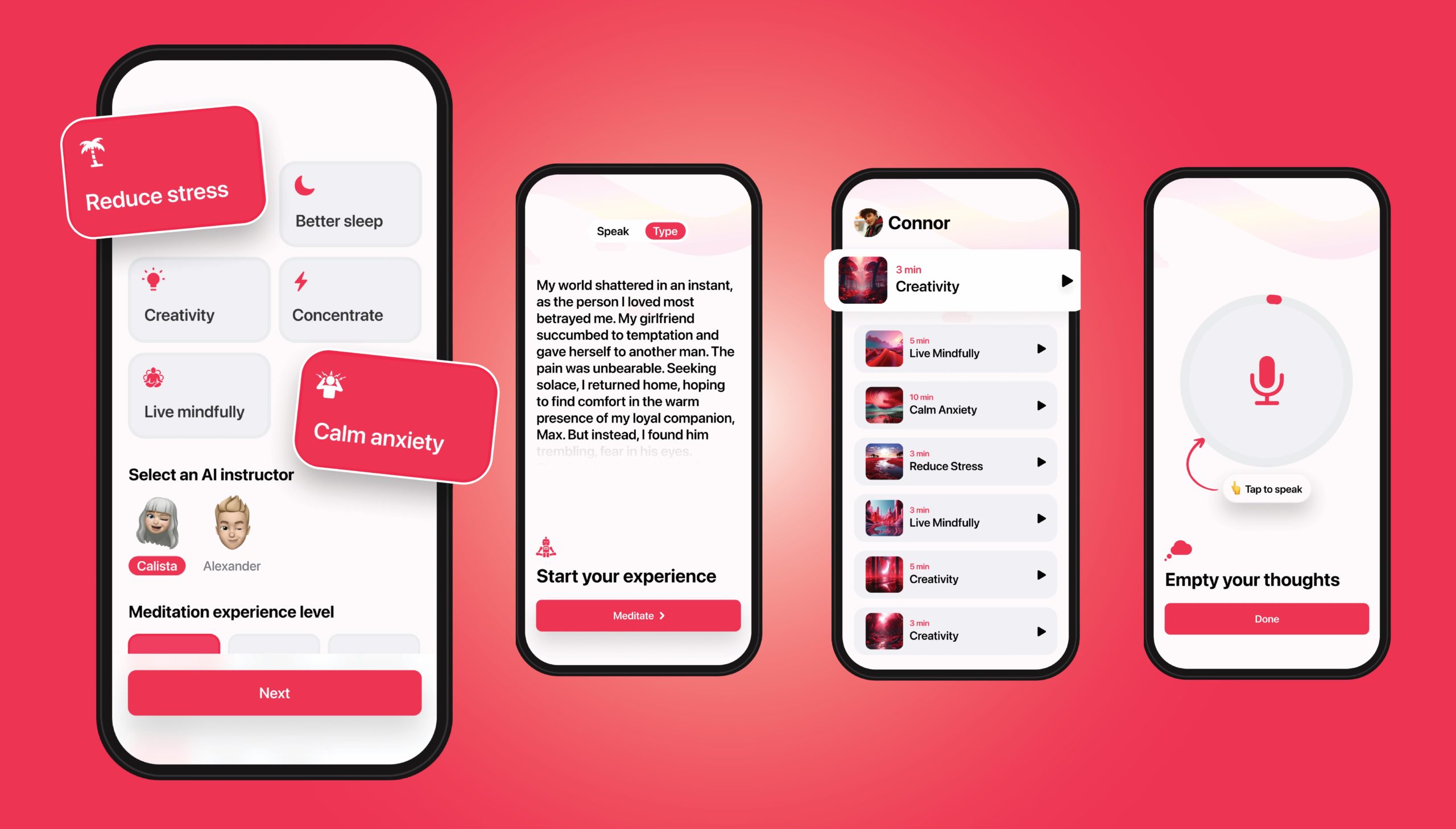
AI-guided meditation apps leverage algorithms to personalize the meditation experience. These algorithms analyze user data—such as meditation history, reported mood, and even biometrics—to tailor sessions to individual needs. This can involve adjusting the length of the meditation, the type of guidance offered, and the background music or soundscapes used.
Many apps are now integrating biofeedback technologies, like heart rate variability (HRV) monitoring, to further refine this personalization. HRV, a measure of the variation in time between heartbeats, is an indicator of the body’s stress response. AI can interpret HRV data to adjust the meditation in real-time, slowing down the pace if the user is experiencing anxiety or increasing the intensity if they seem to be losing focus. Some apps even use EEG headsets to directly measure brainwave activity.
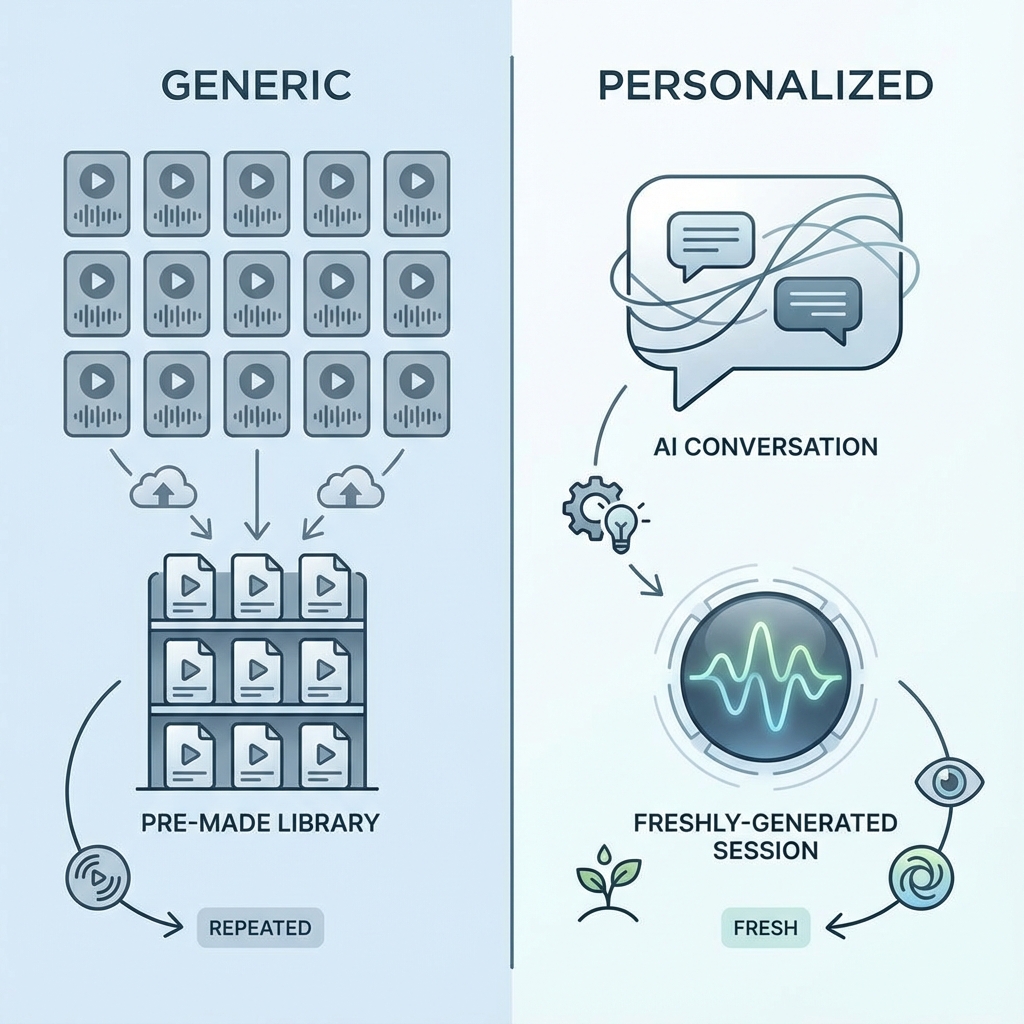
Generative audio is the new standard. Instead of pre-recorded files, apps build unique scripts as you listen. They adjust the guidance based on how you respond. It's impressive tech, but a script generated by a server doesn't have the empathy of a person who has spent decades on a cushion.
Comparing the big platforms
The AI-guided meditation app market is crowded, but a few platforms consistently stand out. Headspace, a long-time leader, continues to evolve its AI features, offering personalized "move modes’ that adapt to a user"s energy levels and goals. Their strength remains in their beautifully designed interface and approachable content, but the AI integration feels somewhat superficial at times.
Calm, another major player, has invested heavily in sleep-focused meditations and soundscapes. Its AI-powered "Daily Calm" feature provides a new meditation each day tailored to current events and seasonal themes. While the content is high-quality, the personalization feels less dynamic than some newer apps.
Insight Timer, known for its vast library of free content, has integrated AI-powered meditation recommendations and personalized playlists. It’s a great option for those seeking variety and affordability, but the quality control can be inconsistent. The AI is primarily focused on content discovery rather than real-time adaptation.
Jenova AI Meditation Guide is a more recent entrant, and one to watch. It distinguishes itself by offering truly personalized meditation programs based on a detailed assessment of the user's needs and goals. Jenova leverages generative AI to create completely unique meditation scripts, adjusting to the user's emotional state and progress. However, the interface isn’t as polished as Headspace or Calm and the subscription is pricier.
Personalization: AI's Biggest Advantage?
The potential for personalization is arguably AI’s greatest strength in the meditation space. Traditional guided meditations often take a one-size-fits-all approach, which can be ineffective for individuals with unique needs and preferences. AI, in theory, can overcome this limitation by tailoring sessions to your mood, stress levels, sleep patterns, and even your preferred voice and soundscapes.
Imagine an app that detects you're feeling anxious based on your HRV data and automatically initiates a calming meditation with a slower pace and soothing music. Or, an app that adjusts the length of your meditation based on your sleep schedule, ensuring you wake up feeling refreshed. This level of customization is simply not possible with traditional methods.
However, this personalization comes with privacy concerns. These apps collect a significant amount of personal data, including biometric information and emotional states. It's crucial to understand how this data is being used and whether it’s adequately protected. Is the convenience of hyper-personalization worth the potential trade-off in privacy? That’s a question each user must answer for themselves.
Where algorithms fail
Despite the advancements in AI, the human connection remains a crucial element of effective meditation practice. A skilled teacher can offer empathy, nuanced guidance, and address individual challenges in a way that AI simply cannot. They can sense subtle shifts in your energy, understand the root causes of your suffering, and provide personalized support that goes beyond algorithmic adjustments.
Meditation isn’t just about learning a technique; it’s about cultivating a relationship with yourself and with others. Group meditation sessions, retreats, and workshops provide a sense of community and shared practice that can be profoundly transformative. This sense of belonging and connection is difficult to replicate in a solitary, app-based experience.
There's also an element of intuition and wisdom that a human teacher brings to the table. They can draw on years of experience and a deep understanding of the human psyche to guide you through difficult emotions and challenging insights. AI, while intelligent, lacks this kind of lived experience and intuitive understanding. It can offer guidance, but it can’t offer wisdom.
What's Your Meditation Style?
The landscape of meditation is evolving rapidly with the rise of AI-powered apps. But is technology the best path to inner peace for *you*? This quick quiz will help determine whether traditional meditation practices or AI-guided apps align best with your needs and preferences, helping you find the most effective route to a zenful state.
Cost & Accessibility: A Practical Comparison
Traditional meditation classes and retreats can be expensive, often costing hundreds or even thousands of dollars. A weekend meditation retreat, for example, might range from $300 to $800, depending on the location and instructor. Ongoing classes can cost $20 to $50 per session. This financial barrier can make these options inaccessible to many.
AI-guided meditation apps, on the other hand, typically offer subscription fees ranging from $10 to $20 per month. This is a significantly more affordable option, making meditation accessible to a wider audience. Many apps also offer free trials or limited free content. However, the ongoing cost of a subscription can add up over time.
Fortunately, there are also numerous free resources available, including YouTube videos, free apps like Insight Timer (with its vast library of free content), and community meditation groups. These options provide a low-cost or no-cost way to explore meditation and develop a practice.
Hybrid models and new tech
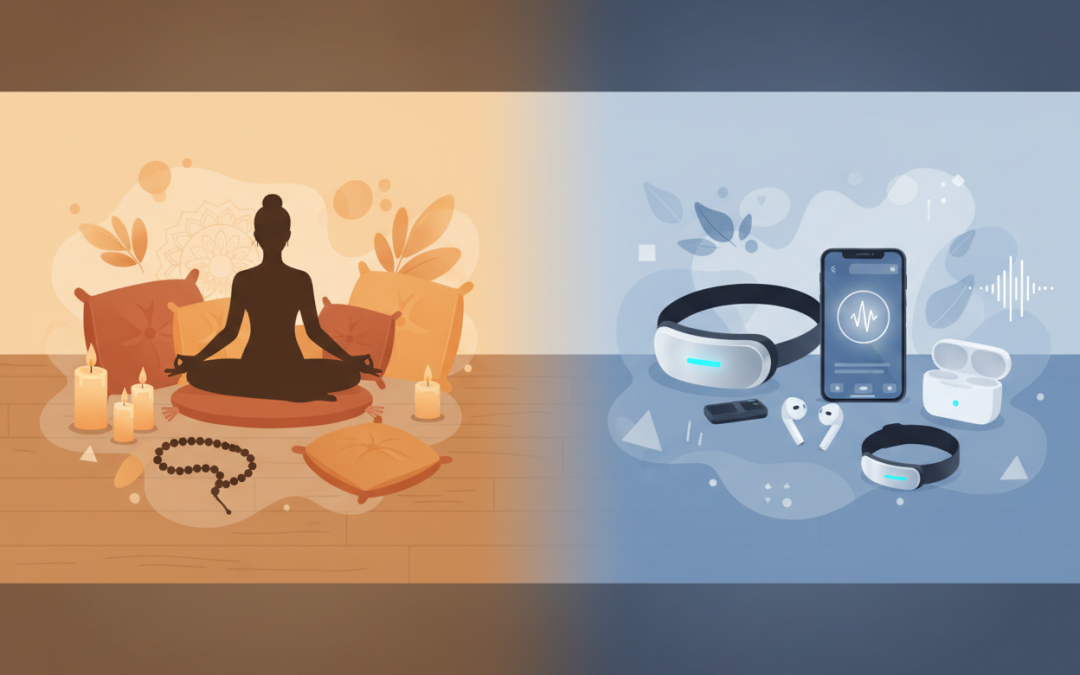
The future of meditation likely lies in hybrid approaches that combine the best of both worlds. Imagine an app that uses AI to personalize your meditation practice but also connects you with a live human teacher for occasional check-ins and guidance. This would allow you to benefit from the convenience and personalization of AI while still receiving the support and wisdom of a human expert.
Emerging technologies like virtual reality (VR) and augmented reality (AR) also hold promise. VR meditation experiences can transport you to serene and immersive environments, enhancing the sense of relaxation and focus. AR apps could overlay guided meditations onto your real-world surroundings, creating a more engaging and integrated experience.
Neurofeedback is getting more precise, but I'm skeptical about the long-term effects of constant brainwave manipulation. We need real data on whether this helps or just creates a new kind of tech dependency.
Enhance Your Meditation Practice: Essential Tools for 2026

Large velvet floor pillow and bolster set · Buckwheat filling for firm support · Designed for traditional seated meditation
This cushion set provides essential physical comfort and support for traditional meditation, promoting better posture and longer practice durations.

6mm thick cushioning · Non-slip surface · Suitable for yoga, Pilates, and floor exercises
A reliable and comfortable mat is fundamental for many traditional meditation and mindfulness exercises that involve floor work or gentle movement.
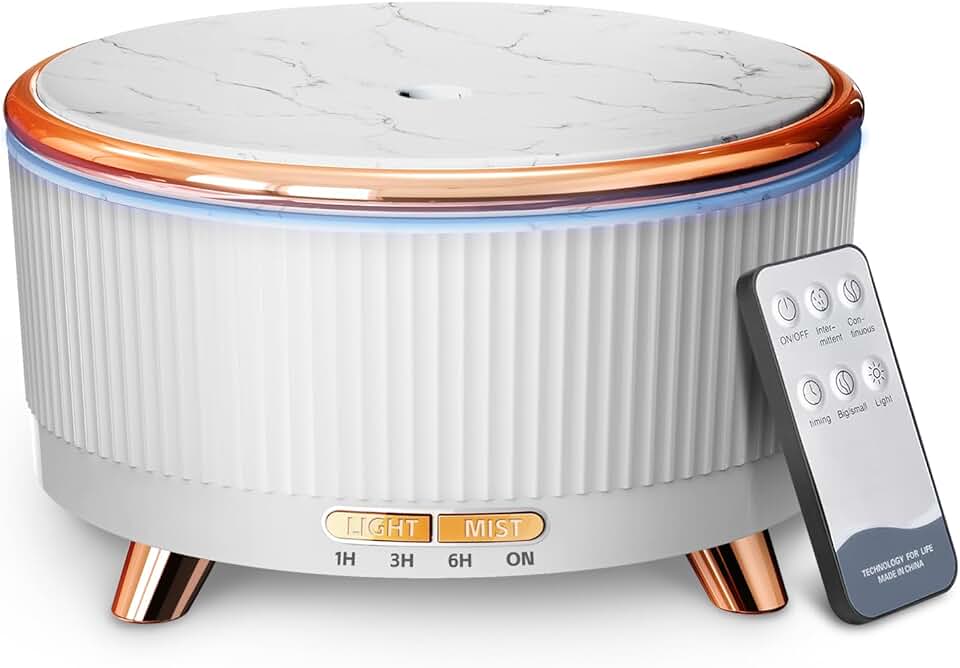
Large 500ml capacity · 7 color LED lights with remote control · Ultrasonic cool mist and timed settings
An essential oil diffuser can significantly enhance the meditative environment by introducing soothing scents and gentle ambient light, promoting relaxation.

20 non-looping natural sounds · 32 levels of volume control · Sleep timer and memory function
Consistent, soothing background noise can mask distractions and aid focus, making this machine valuable for both traditional and AI-guided meditation sessions.

Advanced noise-cancelling technology · Spatial Audio for immersive sound · Up to 30 hours of playtime
High-quality noise-cancelling headphones are crucial for AI-guided meditation apps, ensuring users can fully immerse themselves in the audio experience without external distractions.
As an Amazon Associate I earn from qualifying purchases. Prices may vary.

No comments yet. Be the first to share your thoughts!