

The Quiet Shift: Mindfulness Goes Mainstream
Burnout was crippling an engineering team at a tech firm in Austin, leading to significant talent loss. After implementing a company-wide mindfulness program, they saw a 20% reduction in voluntary turnover within six months. This isn’t an isolated incident. What was once considered a fringe wellness practice is now being seriously adopted by corporations of all sizes.
For years, mindfulness and meditation were relegated to yoga studios and spiritual retreats, seen as something done outside of work to cope with work stress. But that’s changing. Businesses are fundamentally shifting how they view employee wellbeing, with mindfulness at the center. It’s moved past being a "nice-to-have" benefit and is increasingly seen as a strategic investment.
By 2026, this will be a core component of how successful companies operate. The pressure to attract and retain talent, coupled with a growing understanding of the link between mental health and productivity, is driving this transformation. Companies realize that investing in their employees’ minds is as important as investing in technology and infrastructure. A healthy, focused workforce is a more innovative and resilient one.
Beyond Beanbags: What Corporate Programs Look Like Now
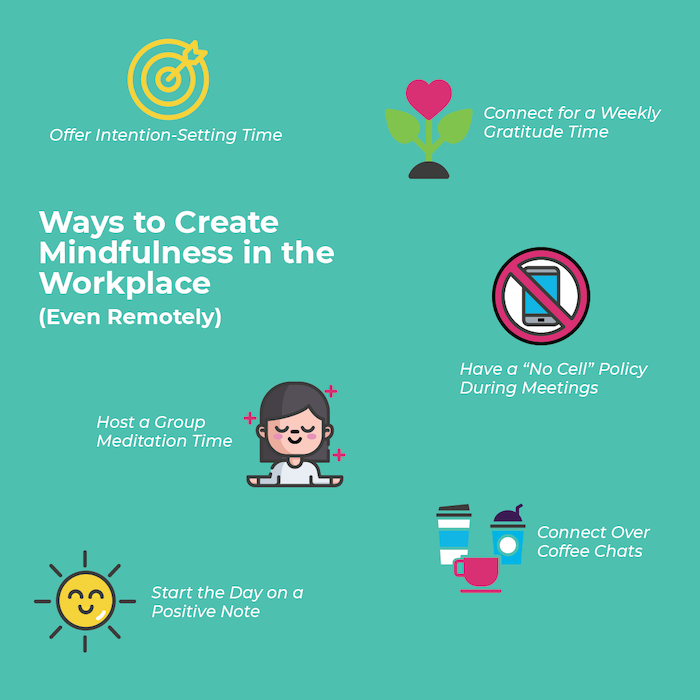
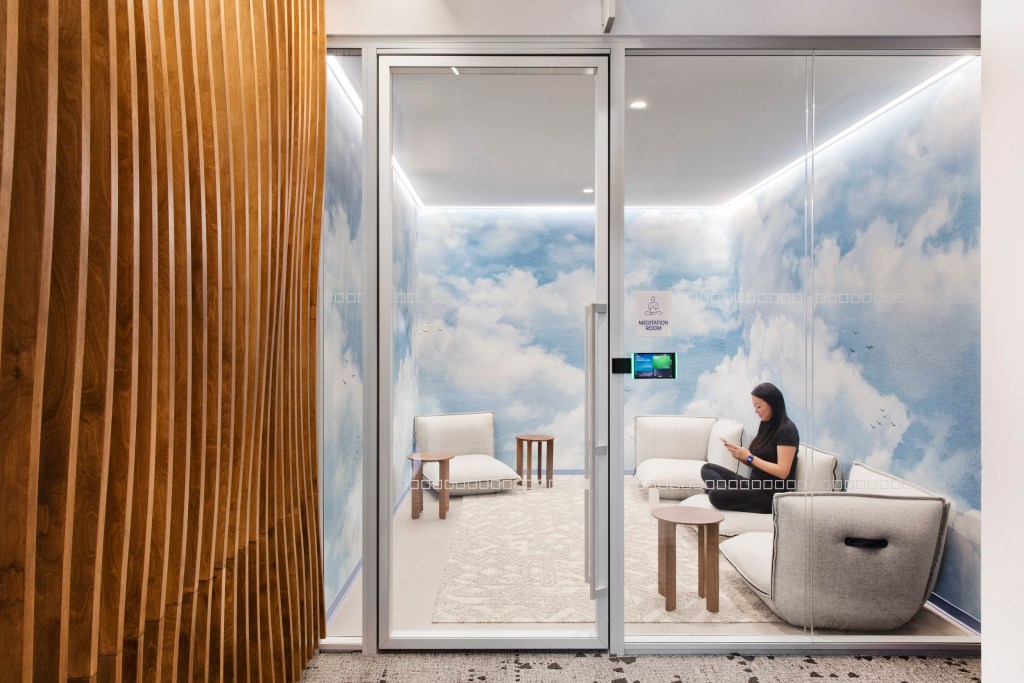
Corporate mindfulness programs are remarkably diverse. Some companies create dedicated meditation rooms – quiet, calming spaces designed for mindful practice. Others offer access to meditation apps like Calm or Headspace as part of their employee benefits package. Some companies bring in external mindfulness instructors to lead group meditation sessions.
Investment levels vary significantly. A small startup might offer free guided meditations during lunch breaks led by a volunteer employee. A larger corporation might build a full-fledged wellness center with multiple meditation spaces, yoga studios, and nap pods. This depends on the company’s resources and commitment to employee wellbeing. Some companies offer stipends for employees to attend mindfulness workshops or retreats.
Organizations like Zenful State work with companies to design and implement effective mindfulness programs. They often start with an assessment of the company’s needs and culture, then develop a customized program that aligns with their goals. The key is to create a program that is accessible, inclusive, and sustainable. Offering a few meditation sessions isn’t enough; you need to create a culture that supports and encourages mindfulness.
The Data Emerges: Proven Benefits for the Bottom Line
For a long time, the benefits of meditation were largely anecdotal. Now, research is catching up. A study published in PMC confirms the positive impact of mindfulness interventions on reducing stress and improving mental wellbeing in workplace settings. It’s not just about feeling good; there are tangible business benefits too.
Beyond stress reduction, mindfulness improves cognitive function, creativity, and decision-making. A focused mind is a more productive mind. Companies report improvements in employee retention – people are less likely to leave a job where they feel supported and valued. For example, a recent Harvard Business Review article highlighted a study where a mindfulness program led to a 15% decrease in employee sick days.
The impact on emotional intelligence is also significant. Mindfulness helps employees develop greater self-awareness, empathy, and compassion, leading to better communication, collaboration, and conflict resolution. One company reported a 10% increase in team performance after implementing a mindfulness training program. This makes a compelling case for the ROI of mindfulness.
Some documented benefits include: Reduced Stress & Anxiety: Lower cortisol levels, improved emotional regulation. Increased Focus & Concentration: Enhanced attention span, improved cognitive performance. Improved Creativity & Innovation: Increased divergent thinking, enhanced problem-solving skills. Enhanced Emotional Intelligence: Greater self-awareness, empathy, and compassion. Reduced Employee Turnover: Increased job satisfaction, improved employee retention.
- Reduced Stress & Anxiety: Lower cortisol levels, improved emotional regulation.
- Increased Focus & Concentration: Enhanced attention span, improved cognitive performance.
- Improved Creativity & Innovation: Increased divergent thinking, enhanced problem-solving skills.
- Enhanced Emotional Intelligence: Greater self-awareness, empathy, and compassion.
- Reduced Employee Turnover: Increased job satisfaction, improved employee retention.
Workplace Meditation Program Comparison - 2026
| Program Type | Cost | Scalability | Employee Engagement | Impact on Key Metrics |
|---|---|---|---|---|
| App-Based Meditation | Generally lower initial cost; subscription fees per employee. | Highly scalable to large organizations and remote teams. | Moderate; dependent on individual employee motivation and app usability. | Potential for reduced stress and improved focus, but impact varies significantly based on consistent use. |
| In-Person Classes | Higher cost due to instructor fees and space rental. | Scalability limited by instructor availability and room capacity. | Generally high; benefits from group energy and direct interaction with an instructor. | Demonstrated positive impact on stress reduction, focus, and team cohesion in studies. |
| Dedicated Meditation Space | Significant upfront investment for space design and maintenance; ongoing operational costs. | Scalability limited by physical space; may require multiple spaces for larger organizations. | Moderate to High; dependent on accessibility and promotion of the space. | Potential for creating a culture of mindfulness and improving overall well-being, but requires consistent encouragement. |
| Hybrid Approach (App + Classes) | Moderate cost; combines subscription fees with occasional in-person sessions. | Good scalability; leverages app for broad reach and classes for deeper engagement. | High; caters to different preferences and learning styles. | Likely to have a more comprehensive impact on key metrics due to varied methods. |
| Mindfulness Workshops (Periodic) | Moderate cost per workshop; infrequent investment. | Scalable through multiple sessions or online delivery. | Moderate; engagement can be high during the workshop, but sustaining impact is challenging. | Can raise awareness and provide initial skills, but requires follow-up to reinforce benefits. |
| Guided Meditation via Internal Platform | Lower cost if utilizing existing communication tools; development/integration costs may apply. | Highly scalable; easily accessible to all employees. | Moderate; relies on internal promotion and employee self-selection. | Impact is dependent on the quality of content and employee participation. |
Illustrative comparison based on the article research brief. Verify current pricing, limits, and product details in the official docs before relying on it.
2026 Predictions: How Tech Will Shape Meditation at Work
Technology will play an even bigger role in workplace meditation in the coming years. A surge in the use of virtual reality (VR) and augmented reality (AR) for immersive meditation experiences is anticipated. Imagine putting on a VR headset and being transported to a peaceful beach or a serene forest – all from the comfort of your office.
AI-powered meditation apps will become increasingly personalized, using data from wearable sensors (like heart rate monitors and EEG headsets) to track brain activity and tailor meditation sessions to specific needs. Privacy will be a major concern, so these apps will need robust security measures. A focus on anonymized data and user control is expected.
More integration with existing workplace communication platforms like Slack and Microsoft Teams is expected. Accessing a quick guided meditation directly from your chat window when feeling stressed will be possible. Companies might even incorporate mindfulness reminders into their internal communication systems. The goal is to make mindfulness accessible and convenient for all employees.
Biometric feedback will be important. Wearable devices will track metrics like heart rate variability (HRV) to provide real-time feedback on meditation effectiveness. This data can personalize meditation sessions and track progress over time. It’s a data-driven approach to wellbeing that appeals to many companies.
Overcoming Hurdles: Addressing Common Implementation Challenges
Implementing workplace meditation isn’t always easy. Employee skepticism is a major challenge, with some viewing meditation as "woo-woo" or a waste of time. Addressing these concerns head-on by presenting research and highlighting tangible benefits is crucial. Leading by example, with senior leaders participating in mindfulness programs, can also be very effective.
Lack of time is another common obstacle. Employees overloaded with work may feel they don’t have time to meditate. Companies can address this by offering short, accessible meditation sessions (even just five minutes) and integrating mindfulness into existing meetings and workflows. Privacy concerns are also legitimate, particularly when using biometric data.
Measuring ROI can be tricky, as quantifying the benefits of mindfulness isn’t always easy. Companies can track metrics like employee sick days, turnover rates, and productivity levels, but correlation doesn’t equal causation. It’s vital to avoid 'mindfulness washing' - presenting a program as beneficial without a genuine commitment to employee wellbeing. The goal isn’t just to look like you care; it’s to actually care.
Solutions include: Education: Provide employees with information about the benefits of mindfulness. Accessibility: Offer a variety of meditation options to suit different preferences. Leadership Support: Encourage senior leaders to participate in mindfulness programs. Privacy Protections: Implement robust security measures to protect employee data.
- Education: Provide employees with information about the benefits of mindfulness.
- Accessibility: Offer a variety of meditation options to suit different preferences.
- Leadership Support: Encourage senior leaders to participate in mindfulness programs.
- Privacy Protections: Implement robust security measures to protect employee data.
Meditation Room Design: Creating Sacred Space
undefined external noise. Consider using natural materials like wood and stone to create a sense of connection to nature.
Furniture should be comfortable and supportive. Beanbag chairs, meditation cushions, and comfortable seating are all good options. Decor should be minimalist and uncluttered. Plants can add a touch of life and serenity. Avoid bright colors and busy patterns, which can be distracting. Zenful State has a comprehensive guide to meditation room ideas on our website.
It’s also important to consider the sensory experience. Diffusers with calming essential oils (like lavender or chamomile) can create a relaxing atmosphere. Soft music or nature sounds can also be helpful. The key is to create a space that appeals to all the senses and promotes a sense of peace and tranquility. A small water feature can add a calming element.
Beyond the Session: Integrating Mindfulness into Daily Work
Meditation isn’t just about sitting quietly for 10 minutes. It’s about cultivating a mindful attitude throughout the day. Companies can encourage employees to practice mindfulness during meetings by starting with a brief moment of silence or a guided breathing exercise. Mindful email – taking a moment to pause and reflect before sending a message – can also be helpful.
Encourage mindful walking – paying attention to the sensations of your feet on the ground and the movement of your body. Even simple tasks like drinking coffee or washing dishes can be done mindfully – by focusing your attention on the present moment. These small practices can add up to a significant improvement in overall wellbeing.
Mindfulness is a skill that takes practice. It’s not about clearing your mind; it’s about learning to observe your thoughts and emotions without judgment. The more you practice, the easier it becomes to stay present and focused, even in the midst of a busy workday. It’s a journey, not a destination.



No comments yet. Be the first to share your thoughts!