

The rise of workplace meditation
I remember speaking with the head of HR at a tech firm in Austin last year. She described a complete shift in company culture after implementing daily 10-minute meditation breaks. Absenteeism dropped, reported stress levels plummeted, and, surprisingly, code quality improved. This isn’t an isolated incident. What began as a fringe benefit – a nice-to-have for progressive companies – is rapidly becoming a core component of successful workplace strategies.
Workplace mindfulness has evolved beyond offering yoga classes or meditation apps. Companies now recognize that a calm, focused workforce is a more productive one. This trend is accelerating, with companies realizing that investing in employee mental well-being is smart business.
Mindfulness in the corporate world began with programs like Jon Kabat-Zinn's Stress Reduction Workshops in the 1980s. Early skepticism about meditation being 'new age' or incompatible with business faded as early adopters in tech and healthcare saw results.

Companies embracing mindfulness
Several organizations are already demonstrating the power of workplace meditation. Google, a long-time proponent of mindfulness, offers a popular program called "Search Inside Yourself,’ which combines meditation with emotional intelligence training. They"ve reported improved employee well-being and increased productivity among participants.
Aetna, the health insurance giant, has also seen significant benefits from its mindfulness initiatives. In 2016, they made meditation apps freely available to all employees and reported a 28% reduction in stress levels and a $3,000 per employee reduction in healthcare costs. This shows a tangible financial return on investment.
Salesforce, another tech leader, offers a variety of mindfulness resources, including guided meditations and mindfulness workshops. They emphasize creating a culture of well-being and encourage employees to prioritize their mental health. They've observed increased employee engagement and a more positive work environment.
Unilever integrated mindfulness into leadership development, believing mindful leaders communicate better, make sounder decisions, and are more empathetic. Their program includes daily meditation and regular retreats.
Meditation break formats
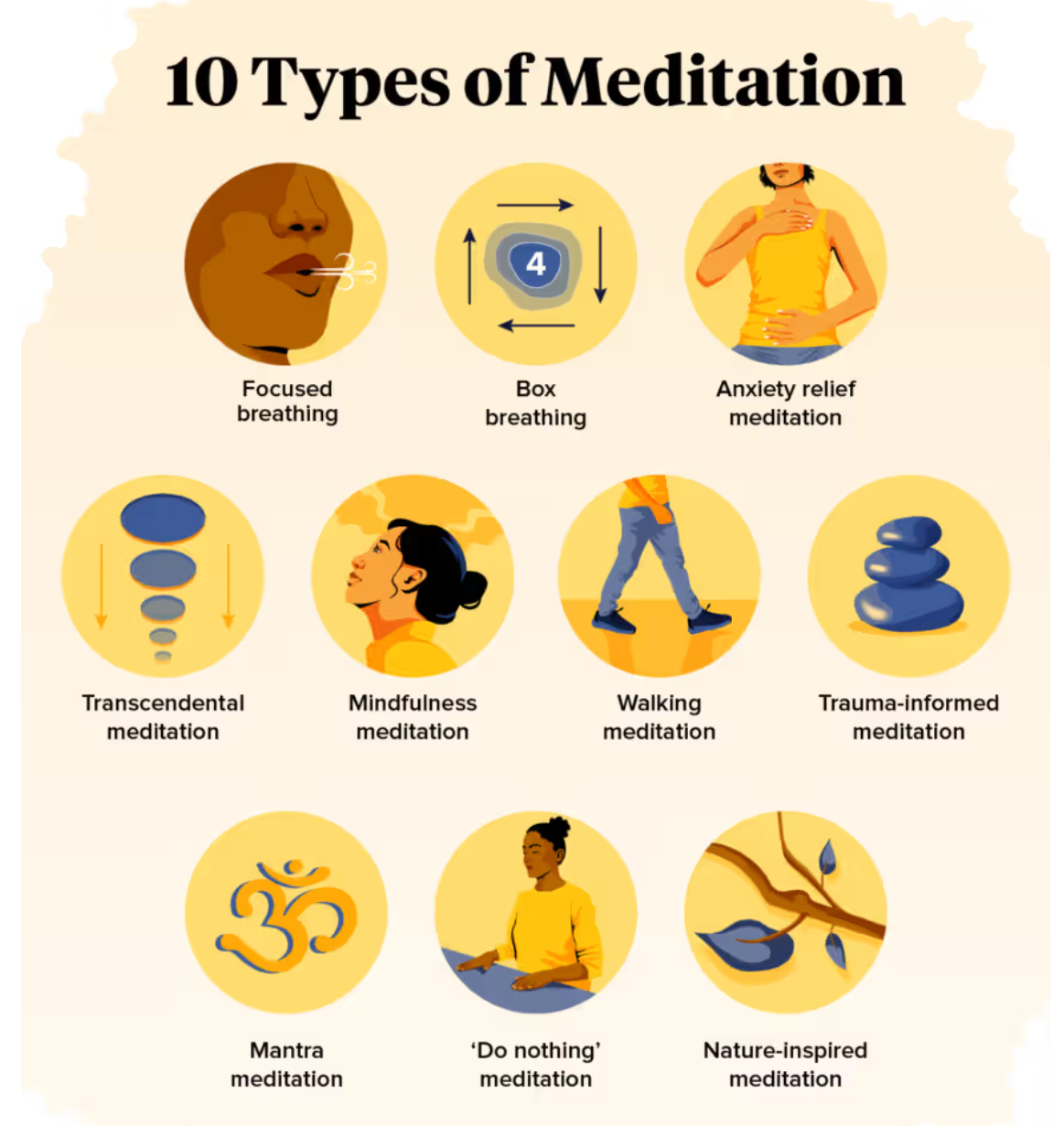
The good news is that workplace meditation doesn’t require a massive overhaul of your workday. Even short, regular breaks can make a significant difference. Guided meditations, readily available through apps like Zenful State, are a great starting point. These provide structure and support, especially for beginners.
Mindful movement is another effective option. Simple stretching exercises or a short walking meditation can help release tension and improve focus. Encourage employees to step away from their desks and move their bodies. Breathwork exercises – focusing on conscious breathing – are also quick and easy to implement. A few deep breaths can instantly calm the nervous system.
Optimal session lengths vary depending on the work environment and employee needs. A 5-minute meditation can be a quick reset during a busy afternoon. A 10-minute session might be ideal for a mid-morning break. A 20-minute session could be offered during lunch or as part of a dedicated wellness program. It’s about finding what works best for your team.
Addressing time constraints is key. Frame meditation breaks not as a time away from work, but as an investment in work. Emphasize the benefits of increased focus and productivity. Encourage employees to schedule meditation breaks into their calendars, just like any other important meeting.
- 5-minute reset: Quick guided meditation or breathwork.
- 10-minute recharge: Mindful movement or longer guided meditation.
- 20-minute deep dive: Dedicated meditation during lunch or a designated break.
Building a case for mindfulness
Convincing stakeholders of the value of workplace meditation requires a data-driven approach. Address potential objections head-on. Cost is often a concern, but the cost of employee burnout and lost productivity is far greater. Employee buy-in can be fostered through education and by showcasing success stories from other companies.
Measure ROI through employee surveys on stress, job satisfaction, and well-being. Track productivity metrics like output and error rates, and monitor absenteeism rates before and after implementation.
A cost-benefit analysis can illustrate ROI. Compare program costs (apps, facilitators, space) against potential savings from reduced healthcare costs, increased productivity, and lower turnover.
Overcoming implementation challenges
Implementing a workplace meditation program isn’t always smooth sailing. Lack of space is a common challenge. Utilize quiet rooms, conference rooms during off-peak hours, or even encourage employees to use noise-canceling headphones in their workspaces. Employee resistance can be overcome by framing meditation as a voluntary benefit and addressing any concerns or misconceptions.
Maintaining consistency is also key. Offer flexible scheduling options to accommodate different work styles and preferences. Promote mindfulness as a team activity to foster a sense of community and support. Consider appointing "mindfulness champions" within each department to encourage participation.
Leadership support is essential. When leaders participate, it signals that well-being is valued. Creating a culture of well-being requires sustained commitment from the top down, normalizing self-care and prioritizing mental health.
Workplace Meditation Implementation: A Comparative Analysis (2026)
| Implementation Method | Cost | Expertise Required | Customization Potential | Employee Engagement |
|---|---|---|---|---|
| In-House Training | Potentially lower long-term cost, but requires initial investment in trainer time/resources. | Requires dedicated internal expertise or significant training for existing staff. | High – programs can be tailored specifically to company culture and employee needs. | Can be high if championed by leadership and seen as genuinely supportive, but relies on internal consistency. |
| Third-Party Vendor | Generally higher upfront cost, ongoing subscription or per-employee fees. | Vendor provides specialized expertise in meditation and mindfulness program design. | Moderate – vendors often offer customizable packages, but may have limitations. | Moderate – dependent on vendor quality and relevance to employee demographics. |
| Self-Guided App | Lowest initial cost; typically subscription-based per user. | Minimal – relies on employees’ self-discipline and the app’s instructional quality. | Low – limited customization options; employees follow pre-recorded content. | Variable – dependent on employee motivation and app usability. Can be low if not actively encouraged. |
| Hybrid Approach (In-House + Vendor) | Moderate to high – combines internal resources with external expertise. | Leverages both internal champions and vendor specialists. | High – allows for a blend of tailored content and professional guidance. | Potentially high – combines the benefits of both approaches, fostering both support and personalization. |
| Dedicated Meditation Space + Resources | Cost varies greatly depending on space renovation/creation and resource allocation. | Requires internal management of the space and potentially a facilitator. | High - Space can be designed to foster a unique meditative experience. | Moderate to High - Dependent on employee access and promotion of the space. |
| Mindfulness Workshops (Periodic) | Moderate - Cost dependent on workshop length and facilitator fees. | Requires external facilitator with mindfulness expertise. | Moderate - Workshops can address specific employee needs, but are not ongoing. | Moderate - Engagement is typically high during the workshop, but sustainability is a concern. |
Illustrative comparison based on the article research brief. Verify current pricing, limits, and product details in the official docs before relying on it.
The future of mindful work
Workplace meditation will become more integrated into work. Expect more sophisticated technologies, such as virtual reality (VR) meditation experiences offering immersive and personalized relaxation.
Biofeedback sensors in wearables could offer real-time physiological feedback, helping employees understand and regulate stress. AI could personalize meditation experiences based on individual needs.
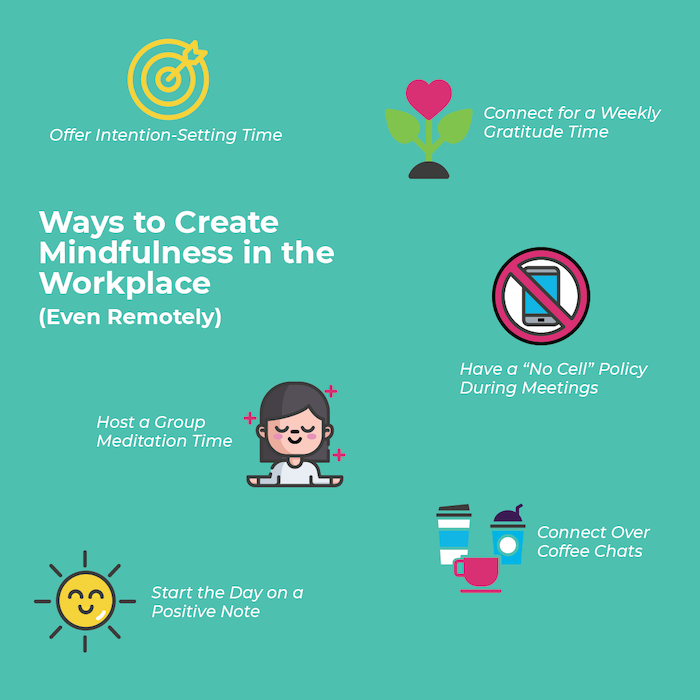
The rise of remote work will increase demand for virtual mindfulness programs. Companies must find innovative ways to foster connection and well-being among distributed teams, shifting focus from resources to a holistic culture of well-being.
Prioritizing employee well-being is both ethical and smart. Companies investing in mindfulness will better attract and retain talent, foster innovation, and thrive.


No comments yet. Be the first to share your thoughts!