

The Rise of AI in Sleep: Beyond White Noise
For years, people have turned to various methods to improve their sleep – guided meditation, calming white noise, and even bedtime stories. These approaches work for many, offering a sense of relaxation and a distraction from racing thoughts. But now, a new player has entered the scene: AI-powered meditation apps. These aren't simply digital versions of existing techniques; they promise a level of personalization and responsiveness previously unavailable.
The hype around artificial intelligence is considerable, and it’s easy to get caught up in the promises of transformative technology. However, a realistic assessment is crucial. While AI holds significant potential, it's vital to understand its current limitations and how it applies specifically to sleep. Sleep tech has evolved from simple sound machines to sophisticated trackers, and AI represents the next logical step – an attempt to create a truly adaptive and individualized sleep experience.
Early adopters are already exploring apps that claim to tailor meditation sessions to your real-time physiological state. The question is whether this technology delivers on its promises. We need to move beyond the marketing and examine the actual capabilities of these apps. It’s also important to remember that AI, in its current state, is still reliant on the data it’s trained on and the algorithms that power it. It isn't a magical solution, and it’s unlikely to replace all other methods for everyone.
How AI Meditation Apps Actually Work in 2026
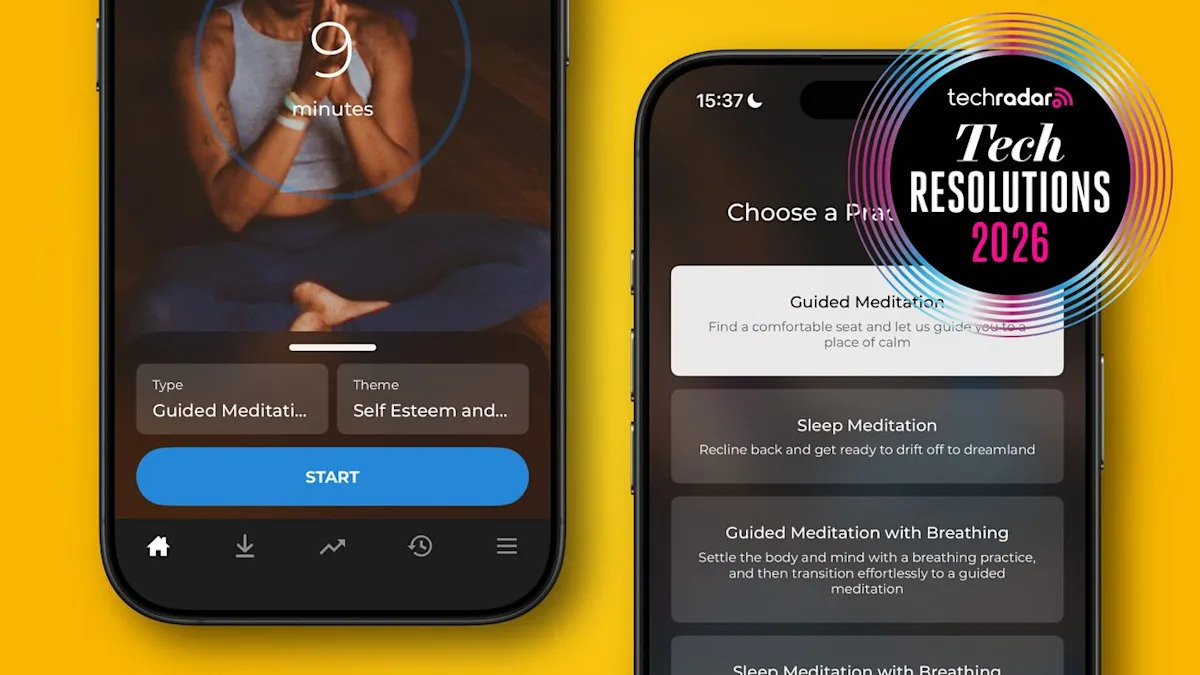
AI-powered meditation apps in 2026 are leveraging a combination of technologies to personalize the user experience. A key component is biofeedback, using data collected from wearable devices – or even smartphone sensors – to monitor things like heart rate variability (HRV) and sleep stages. This data provides insights into your physiological state, allowing the app to adjust the meditation session accordingly. For example, if the app detects a high heart rate, it might suggest a breathing exercise to promote relaxation.
Natural Language Processing (NLP) is another crucial element. Apps use NLP to analyze your responses to prompts and adapt the scripts of guided meditations. This means the voice, pacing, and content can change based on your reported mood or preferences. Machine learning algorithms are employed to identify patterns in your sleep data and recommend meditations that are most likely to be effective for you. Over time, the app learns what works best for you specifically.
Data collection is, of course, fundamental to this process. Apps gather information on your sleep patterns, heart rate, and even your responses to questions about your emotional state. This raises legitimate privacy concerns. Most reputable apps will have privacy policies outlining how your data is used and protected, but it’s important to read these carefully. It's also worth noting that the accuracy of the data collected by consumer-grade wearables can vary.
Traditional Guided Sleep Meditation: The Human Touch
Traditional guided sleep meditation has been practiced for centuries, and its core principles remain remarkably consistent. It involves listening to a trained guide lead you through a series of visualizations, breathing exercises, and relaxation techniques. The goal is to quiet the mind, reduce stress, and prepare the body for sleep. A good guide possesses a calming voice, a gentle demeanor, and the ability to create a safe and supportive space.
The benefits of traditional guided meditation are well-documented. Many people report improved sleep quality, reduced anxiety, and a greater sense of well-being. The human voice plays a significant role in this process, providing a sense of connection and reassurance. Carefully crafted scripts are designed to evoke positive imagery and promote relaxation. Different styles cater to different preferences – mindfulness-based meditation focuses on present moment awareness, body scan meditation brings attention to physical sensations, and progressive muscle relaxation involves tensing and releasing different muscle groups.
It’s important to understand that 'traditional' isn't a single, uniform practice. There's a vast diversity of approaches and teachers. You can find guided meditations rooted in Buddhist traditions, secular mindfulness practices, or even New Age philosophies. The key is to find a style and guide that resonates with you. Zenful State, for example, offers a range of meditations and resources designed to promote relaxation and improve sleep.
Personalization: Where AI Tries to Catch Up
Personalization is the central battleground between AI-powered meditation and traditional guidance. AI can adapt to your biofeedback data, adjusting the pace, intensity, and even the content of the meditation based on your physiological state. This is a level of objective personalization that a human guide simply can’t match. However, can AI truly understand your emotional state? Can it offer empathy or nuanced guidance when you're struggling?
A skilled human guide can sense subtle cues in your voice or breathing, and respond with compassion and understanding. They can tailor their guidance to your individual needs and challenges in a way that AI currently cannot. AI can identify patterns in your sleep data that you might not be aware of – for example, a correlation between stress and poor sleep quality – but interpreting those patterns requires human insight.
While AI is improving rapidly, it’s still limited by its algorithms and the data it's trained on. It may struggle to handle unexpected situations or provide truly individualized support. The potential for AI to surpass human personalization exists, but it’s not yet a reality. For now, the human touch remains a valuable asset in guided meditation.
AI-Powered vs. Traditional Guided Sleep Meditation: A Comparative Analysis (2026)
| Criterion | AI-Powered Meditation Apps | Traditional Guided Meditation | Notes |
|---|---|---|---|
| Personalization | High | Medium | AI can dynamically adjust content based on user biofeedback and reported mood. Traditional relies on broader categories. |
| Adaptability | High | Medium | AI algorithms can modify session length, soundscapes, and guidance in real-time. Traditional sessions follow a pre-defined structure. |
| Empathy & Human Connection | Medium | High | Human voice and nuanced guidance can foster a stronger sense of connection. AI is improving but currently lacks genuine emotional understanding. |
| Cost | Variable | Variable | AI apps often have subscription models; traditional classes/recordings have diverse pricing. Both can be affordable or expensive. |
| Accessibility | Higher | Medium | AI apps offer 24/7 availability and location independence. Traditional options depend on class schedules and instructor availability. |
| Data Privacy | Medium | Higher | AI apps collect user data for personalization, raising privacy concerns. Traditional methods generally involve less data collection. |
| Long-Term Effectiveness | Potentially Higher | Proven Effective | Early research suggests AI can improve engagement, but long-term impact needs further study. Traditional methods have established efficacy. |
| Content Variety | High | Medium | AI can generate a wider range of content and adapt to user preferences. Traditional content is limited to what's been pre-recorded or taught. |
Qualitative comparison based on the article research brief. Confirm current product details in the official docs before making implementation choices.
The Science: What Does the Research Say About Both?
Research on the effectiveness of both AI-powered meditation and traditional guided meditation is ongoing, and a clear consensus hasn’t yet emerged. Studies consistently demonstrate the benefits of mindfulness and meditation in general, showing improvements in sleep quality, stress reduction, and overall well-being. A 2024 meta-analysis published in JAMA Internal Medicine confirmed that mindfulness-based interventions are associated with moderate reductions in anxiety and depression.
However, research specifically on AI-powered meditation is still relatively limited. A 2025 study by the University of California, San Francisco, found that users of an AI-powered meditation app reported significant improvements in sleep quality, but the study also noted that participant expectations played a significant role. This highlights the importance of the placebo effect. Research on the underlying technologies – biofeedback and NLP – provides some support for the potential benefits of AI-powered meditation. Studies have shown that biofeedback can help people learn to regulate their physiological responses, and NLP can be used to create more engaging and personalized experiences.
Direct comparisons between AI-powered meditation and traditional guided meditation are scarce. Most of the available evidence is anecdotal or based on small-scale studies. More rigorous research is needed to determine which approach is more effective for different individuals and conditions. It’s also important to consider the quality of the meditation itself – a poorly designed AI-powered meditation or a poorly trained human guide will likely be less effective.
Content is being updated. Check back soon.
Cost and Accessibility: Who Can Benefit?
The cost and accessibility of AI-powered meditation apps and traditional guided meditation vary considerably. Most AI-powered apps operate on a subscription model, with monthly or annual fees ranging from $10 to $150. Headspace, Calm, and Insight Timer all offer subscription options with varying features. Traditional guided meditation can be more expensive, particularly if you opt for individual sessions with a qualified instructor. Group classes typically cost between $15 and $30 per session.
Accessibility is another important consideration. AI-powered apps are readily available to anyone with a smartphone and an internet connection. This makes them a convenient and affordable option for many people. However, the digital divide remains a barrier for some, particularly those in underserved communities. Traditional guided meditation may be less accessible for people who live in rural areas or who have limited mobility.
Many free resources are available for both approaches. Several apps offer free trials or limited free content. Libraries and community centers often offer free meditation classes. Ultimately, the best option depends on your individual needs, preferences, and budget. There are apps that cater to specific needs, like anxiety or PTSD, but these may come with a higher price tag.
Major Tech Stock Price Comparison - AI and Digital Wellness Sector Leaders
Current pricing as of December 2024 - Companies driving meditation app and wellness technology innovation
| Asset | Current Price | 24h | 7d | 30d | Market Cap |
|---|---|---|---|---|---|
| Apple Inc. AAPL | $196.45 | +0.8% | +2.1% | +5.7% | $2.98T |
| Microsoft Corporation MSFT | $416.32 | +1.2% | +3.4% | +8.9% | $3.09T |
| Alphabet Inc. GOOGL | $173.28 | -0.5% | +1.8% | +12.3% | $2.13T |
| Amazon.com Inc. AMZN | $181.67 | +0.3% | +4.2% | +15.8% | $1.89T |
| Meta Platforms Inc. META | $542.81 | +1.7% | +5.1% | +18.4% | $1.38T |
Analysis Summary
Microsoft leads in absolute share price at $416.32, while Meta shows the strongest 30-day performance at +18.4%. All five tech giants maintain trillion-dollar market caps, with Microsoft slightly edging Apple for the top position at $3.09T versus $2.98T.
Key Insights
- Meta demonstrates the strongest momentum with +18.4% monthly gains, likely driven by AI integration and VR/AR wellness applications
- Microsoft and Apple maintain market cap leadership above $3T, reflecting their dominant positions in AI-powered health and wellness platforms
- Amazon shows solid growth at +15.8% monthly, benefiting from cloud services supporting meditation and wellness app infrastructure
- All five stocks show positive weekly performance, indicating strong investor confidence in AI-driven wellness technology adoption
Prices reflect current market data as of December 2024. These technology leaders are key enablers of AI-powered meditation apps through cloud infrastructure, mobile platforms, and AI development tools.
Disclaimer: Stock prices are highly volatile and subject to market fluctuations. Data is for informational purposes only and should not be considered investment advice. Always do your own research before making investment decisions.
Looking Ahead: The Future of AI and Sleep
The future of AI-powered sleep technology is brimming with possibilities. We can expect to see even more personalized experiences, with AI algorithms that are capable of predicting and preventing sleep disturbances. Integration with other health technologies – such as smart beds, wearable sensors, and even smart home devices – will likely become more common. Imagine a bed that automatically adjusts its temperature and firmness based on your sleep stage, or a smart home system that dims the lights and plays calming music as you prepare for bed.
However, it’s important to address the ethical considerations that come with this technology. Data privacy is a major concern, and we need to ensure that our sleep data is protected from unauthorized access and misuse. Algorithmic bias is another potential issue – if the algorithms are trained on biased data, they may perpetuate existing inequalities. Over-reliance on technology is also a risk – we need to remember that AI is a tool, not a replacement for healthy sleep habits.
Ultimately, the future of sleep is likely to be a blend of technology and traditional practices. AI can enhance and personalize our sleep experiences, but it shouldn’t replace the importance of creating a relaxing bedtime routine, practicing mindfulness, and prioritizing self-care. The most effective approach will be one that combines the best of both worlds – leveraging the power of AI while remaining grounded in the wisdom of ancient traditions.



No comments yet. Be the first to share your thoughts!