
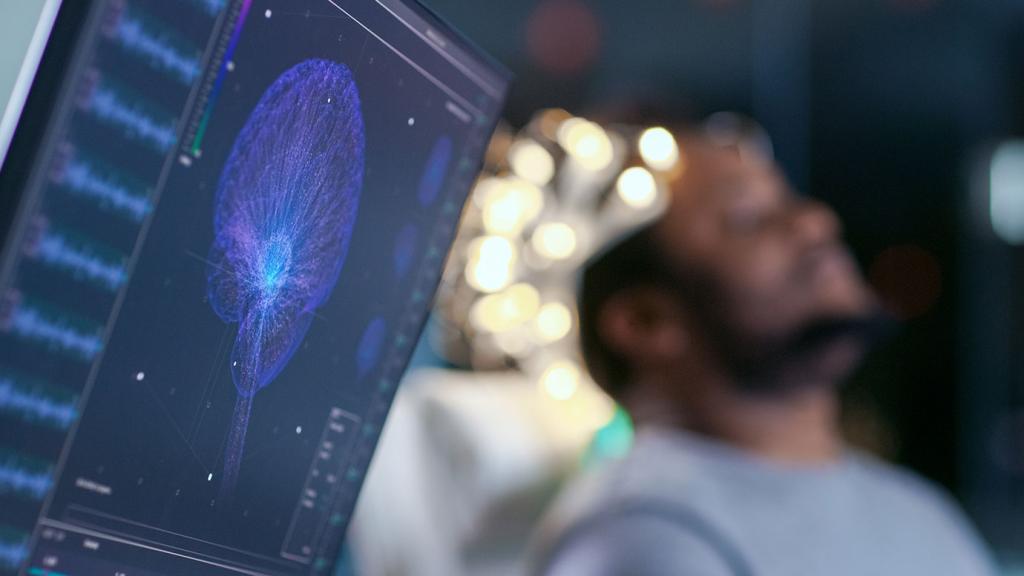

Why deep sleep matters for brain health
Deep sleep is the body’s nightly maintenance cycle. During these slow-wave stages, the brain clears metabolic waste, consolidates memories, and repairs tissue. Without it, even a full eight hours in bed feels like a night of tossing and turning. The quality of that rest depends heavily on how easily you can transition from wakefulness into sleep.
Meditation bridges that gap. By lowering cortisol and slowing heart rate, guided practices signal safety to the nervous system. This reduction in mental chatter is essential for reaching the deep sleep stages that restore cognitive function. Apps like Calm and Headspace use specific audio tracks to facilitate this shift, making it easier to stay asleep and reach those critical restorative phases.
The connection between meditation and sleep quality is well-documented. Studies show that consistent practice can increase the duration of slow-wave sleep, leading to feeling more refreshed upon waking. Rather than relying on supplements, using a dedicated meditation app provides a drug-free way to improve sleep architecture. This approach targets the root cause of insomnia—racing thoughts—rather than just masking the symptoms.
How to choose a sleep meditation app
Finding the right deep sleep meditation app comes down to matching your specific sleep habits with the app’s technical features. A voice that feels soothing to one person might feel grating to another, and a 20-minute session is useless if you need an eight-hour soundscape. Use these criteria to filter your options before committing to a subscription.
Voice quality and pacing
The narrator’s tone is the primary driver of relaxation. Look for apps that offer multiple voice options or allow you to adjust the pacing. If you are prone to anxiety, a slow, monotonous voice works best to lower your heart rate. If you find silence distracting, choose an app with dynamic narration that gently brings your attention back. The goal is a voice that feels like a companion, not a taskmaster.
Session length and flexibility
Your ideal session length depends on your sleep latency. If you fall asleep quickly, a 10-minute body scan is sufficient. If you lie awake for hours, you need an app with long-form content, such as 30-minute to 8-hour non-stop meditations. Check if the app offers customizable timers or sleep stories that loop seamlessly. Apps like Insight Timer provide extensive libraries of user-generated content, allowing you to find the exact duration you need.
Offline access and sleep tracking
Reliability matters when you are trying to sleep. Ensure the app allows you to download sessions for offline use, so a spotty Wi-Fi connection doesn’t interrupt your meditation midway. Some apps also include sleep tracking features, using your phone’s microphone to detect snoring or movement. This data can help you refine your routine, though it should never become a source of stress itself.
Key features to prioritize
- Voice variety: Multiple narrator options to find your preferred tone.
- Timer controls: Ability to set fade-out timers and custom durations.
- Offline mode: Downloadable content for uninterrupted listening.
- Sleep tracking: Optional metrics to monitor your rest patterns.
Best deep sleep meditation apps compared
Choosing the right best deep sleep meditation apps depends on whether you prefer structured courses or endless background tracks. The following comparison highlights the core differences in pricing models, content libraries, and unique sleep-specific features for the top contenders.
| App | Pricing Model | Content Library | Unique Sleep Feature |
|---|
Insight Timer stands out for its vast free library, making it the most accessible option for casual listeners. Headspace and Calm offer more polished, curated experiences with high-production "sleepcasts" or stories designed to distract the mind from racing thoughts. Ten Percent Happier focuses on the practical, no-fluff approach, ideal for skeptics who want direct instruction without the mystical elements.
When selecting an app, consider if you need a structured program to build a habit or simply a reliable source of ambient noise and guided relaxation. Most apps offer free trials, allowing you to test the voice of the narrator and the quality of the sleep-specific content before committing.
Top rated guided sleep meditations
Finding the right voice and pacing is often the difference between tossing and turning and waking up refreshed. The following guided sleep meditations have earned high marks for their ability to quiet the mind and ease the body into a restorative state. These selections range from atmospheric journeys to straightforward body scans, offering concrete options for different sleep preferences.
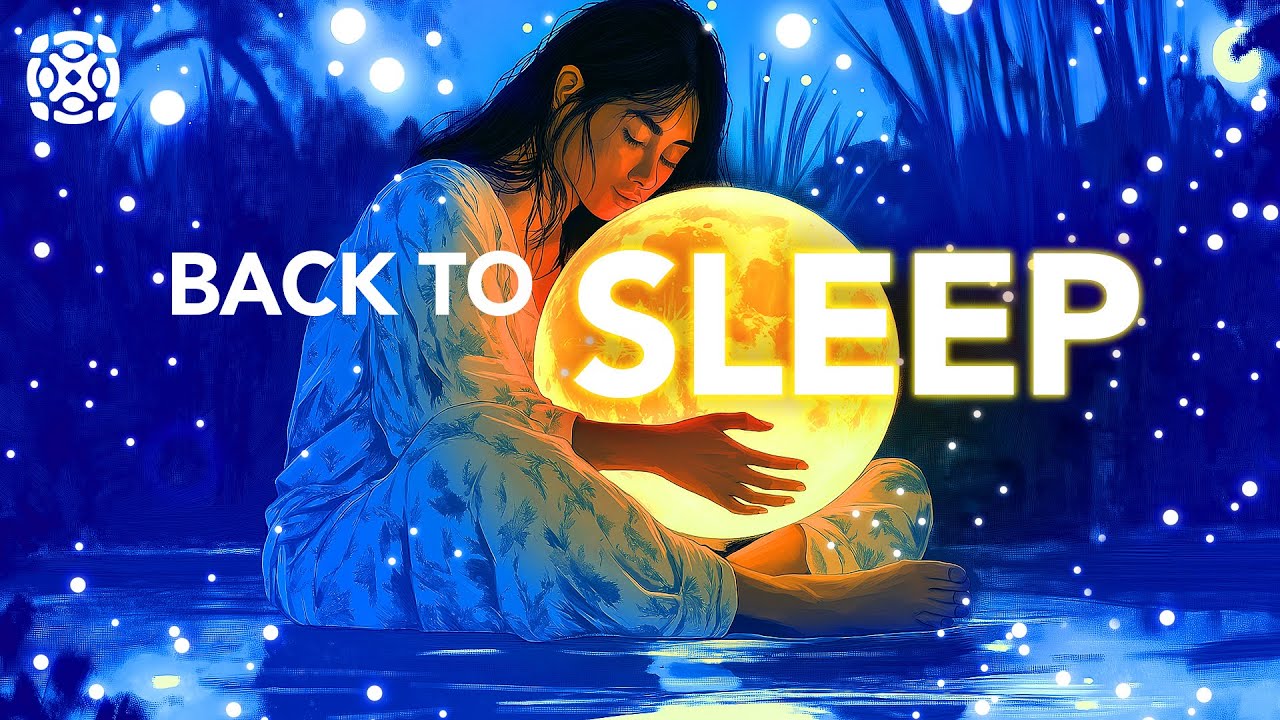
Jason Stephenson Deep Sleep Meditations
Jason Stephenson is a staple in the sleep meditation space, known for his calm, British-accented voice and gentle pacing. His guided sessions are designed to help listeners let go of the day's stress through progressive relaxation and visualization. The meditations often incorporate soft background sounds, such as rain or ambient drones, to mask household noise and create a consistent auditory environment. This approach is particularly effective for those who find silence difficult or who need a strong narrative anchor to drift off.
Jason Stephenson's guided sleep meditations
Kristyn Rose Deepest Sleep Journey
Kristyn Rose offers a longer-form meditation experience that functions more like a sleep story or a deep hypnosis session. Her "Deepest Sleep Guided Meditation" is a 3.5-hour journey that gradually guides listeners into a trance-like state. The content focuses on releasing tension and allowing the subconscious mind to rest. This option is ideal for people who struggle to stay asleep throughout the night, as the extended duration provides continuous guidance without abrupt endings.
Kristyn Rose's deep sleep meditation journey
Andrew Johnson Gentle Breathwork
For those who prefer a more direct, no-frills approach, Andrew Johnson’s guided meditations focus heavily on breathwork and body awareness. His sessions are shorter and less dependent on ambient soundscapes, relying instead on clear, instructional cues. The technique involves slow, deliberate breathing to activate the parasympathetic nervous system, which signals the body that it is safe to relax. This method is useful for individuals who are anxious about not falling asleep, as it gives the mind a simple, repetitive task to focus on.
Andrew Johnson's gentle breathwork session
As an Amazon Associate, we may earn from qualifying purchases.
Tips for a better morning routine
The work of deep sleep meditation doesn’t end when you open your eyes. The neural pathways you strengthen during the night—those that signal safety, stillness, and release—continue to influence your waking hours. How you transition from sleep to wakefulness determines whether that calm lingers or vanishes instantly.
Start your morning by keeping your phone in another room. The first thirty minutes are critical for setting your nervous system’s tone. Instead of checking emails or scrolling through news feeds, spend five minutes in silence or with a gentle stretch. This prevents the cortisol spike that often follows immediate digital engagement, allowing the restorative effects of your deep sleep meditation app to stabilize your mood for the day.
Consider keeping a simple journal by your bed. Writing down three things you are grateful for or noting how you feel physically helps anchor the mindfulness you practiced at night. This small ritual reinforces the habit loop, making it easier to return to meditation when stress arises later in the day. Consistency here is more important than duration; even two minutes of intentional presence can reset your focus.
Finally, hydrate immediately. Your body is dehydrated after hours of sleep, and dehydration can mimic fatigue, undermining the clarity you gained from your practice. A glass of water before coffee or tea supports cognitive function and helps you feel the full benefit of a restful night’s sleep.
Frequently asked questions about sleep meditation
Can meditation increase deep sleep?
Yes. Research shows that regular practice of deep sleep meditation can increase the amount of time you spend in slow-wave sleep, the deepest stage of rest. Apps like Insight Timer offer structured programs that help train your brain to enter these restorative states more quickly and stay there longer.
How to quiet the mind for sleep?
The most effective method is focusing on a single anchor, such as your breath or a gentle mantra. When intrusive thoughts arise, acknowledge them without judgment and return your focus to the anchor. Guided meditations, like those found in the Jason Stephenson collection, provide a voice to guide you back when your mind wanders.
What is a powerful mantra for deep sleep?
A simple phrase like "I am safe" or "I let go" works well because it is short and calming. The goal is not to force the thought but to use it as a rhythmic cue for relaxation. Repeating a mantra slowly helps synchronize your breathing and lowers heart rate, signaling to your body that it is time to rest.
How to get extremely deep sleep?
Combine meditation with a consistent sleep schedule and a cool, dark environment. Start your routine 30 minutes before bed to allow your nervous system to wind down. Long-form sessions, such as the 3.5-hour guided journey by Kristyn Rose, can help you drift into deep sleep without worrying about waking up or losing the meditative state.
No comments yet. Be the first to share your thoughts!