

What is a zenful state
A zenful state is a mental condition of calm presence and clarity. It is not a deep meditative trance, nor is it the hyper-focused energy of a flow state. Instead, it is a grounded awareness where your mind settles into the present moment without resistance.
Think of it like clearing fog from a windshield. You aren't trying to stop the rain (external stressors) or change the weather. You are simply wiping away the mental clutter so you can see the road ahead clearly. This state allows you to make decisions and work on projects with renewed energy, rather than reacting impulsively to chaos.
Unlike flow, which demands intense concentration on a single task, a zenful state is broader. It is the background stability that lets you handle daily tasks without getting overwhelmed. You remain engaged with the world, but you are no longer swept away by every passing thought or notification.
Morning meditation for focus
Starting your day with a five-minute meditation sets a steady rhythm for the hours ahead. This sequence is designed to clear mental clutter and prime your brain for productivity without requiring any special equipment or deep religious knowledge. Think of it as a system reboot for your attention span.
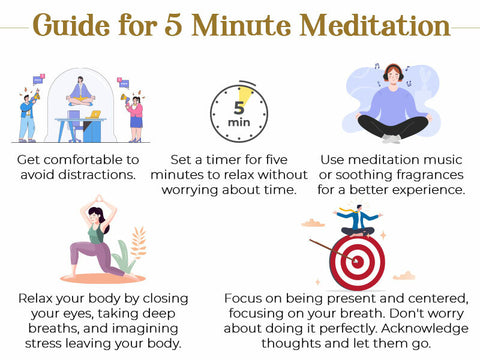
Sit on a chair or cushion with your spine straight but not rigid. Rest your hands on your knees or in your lap. Close your eyes or soften your gaze on a fixed point. This physical alignment signals to your body that it is time to shift from reactive mode to a calm, observant state.
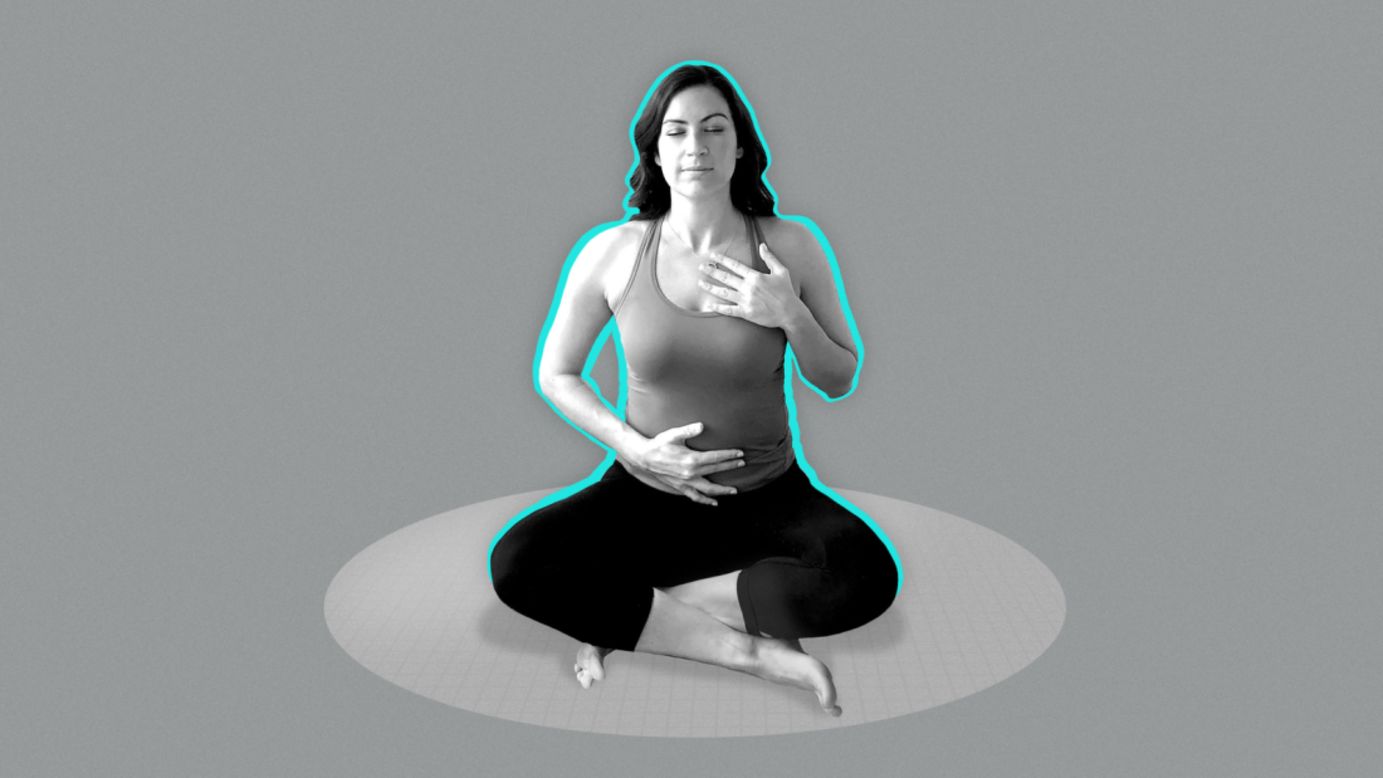
Take five deep, intentional breaths. Inhale through your nose for a count of four, hold for two, and exhale slowly through your mouth for six. This controlled breathing pattern activates the parasympathetic nervous system, lowering your heart rate and reducing immediate stress hormones before you check your phone or email.
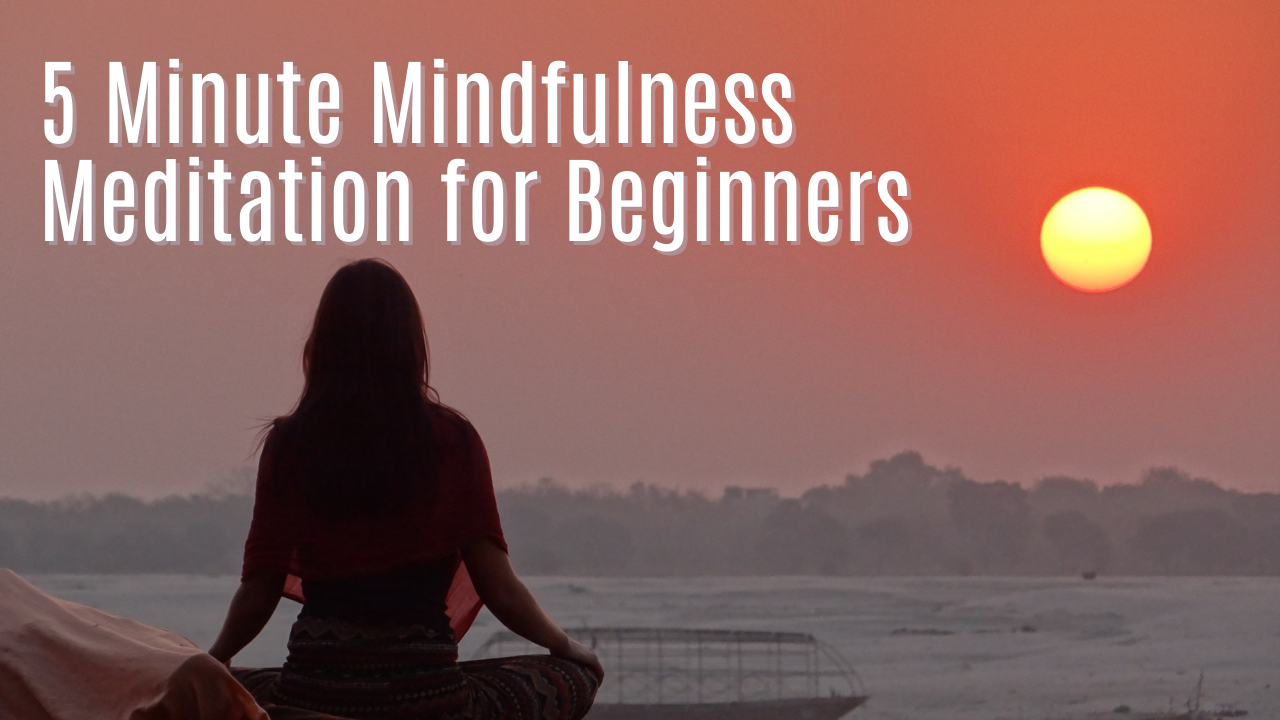
Bring your attention to your body, starting at the top of your head and moving down to your toes. Notice any areas of tension—commonly the jaw, shoulders, or lower back—and consciously release that tightness. This brief body scan helps you disconnect from the physical stress of sleep or previous tasks, grounding you in the present moment.

Choose one word or phrase to guide your day, such as "clarity," "calm," or "efficiency." Repeat it silently to yourself. This creates a mental anchor. When distractions arise later in the morning, this intention serves as a quick reference point to return your focus to your primary goal.
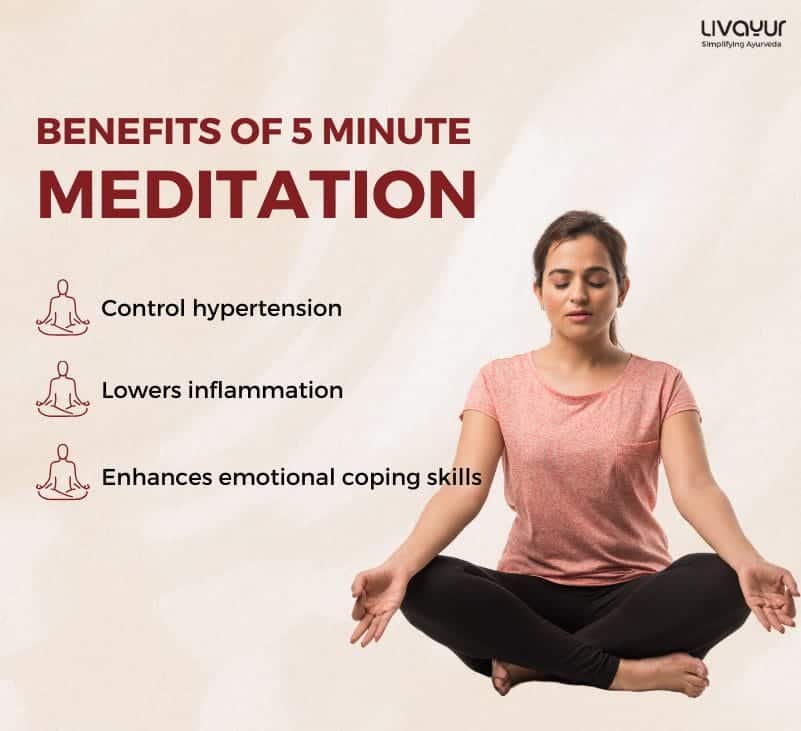
Open your eyes slowly. Take one more deep breath. Before standing up, take ten seconds to notice the environment around you. This gentle transition prevents the jarring shock of jumping straight into emails or notifications, allowing the zenful state to permeate your initial interactions.
This routine takes exactly five minutes. Consistency matters more than duration. By practicing this sequence daily, you train your brain to enter a focused state more quickly, making the "zenful state" a practical tool for managing a busy schedule rather than a fleeting escape.
Deep sleep meditation routine
When the day ends, the goal shifts from focus to release. This five-minute sequence is designed to lower cortisol and signal to your body that it is time to sleep. It uses progressive muscle relaxation and breath pacing to transition from a state of alertness to deep rest.
Turn off overhead lights and switch to a warm, low-intensity lamp. Bright light suppresses melatonin, the hormone that regulates sleep. Sit on the edge of your bed or lie down in a comfortable position. Close your eyes and take three slow, deep breaths, inhaling through your nose and exhaling through your mouth. This initial pause helps disconnect you from the visual stimuli of the day.
Start at your feet and slowly tense the muscles for five seconds, then release. Move up to your calves, thighs, hips, abdomen, chest, hands, shoulders, and finally your face. This technique, known as progressive muscle relaxation, creates a physical contrast between tension and ease. By consciously letting go of each group, you reduce the physical manifestations of stress that often keep you awake.
Inhale quietly through your nose for 4 seconds, hold your breath for 7 seconds, and exhale completely through your mouth for 8 seconds. This specific rhythm activates the parasympathetic nervous system, which controls the "rest and digest" response. It slows your heart rate and lowers blood pressure, preparing your body for the physiological state required for deep sleep. Repeat this cycle four times.
Direct your mind to a place where you feel completely safe and undisturbed. It could be a beach, a forest, or a comfortable room. Engage your senses in this visualization: imagine the sound of waves, the smell of pine, or the warmth of sunlight. This mental shift moves your attention away from daily worries and ruminations, creating a mental environment conducive to sleep.
After the visualization, let go of the effort entirely. Allow your body to sink into the mattress. If thoughts arise, acknowledge them without judgment and return your focus to the sensation of your breath or the physical weight of your body. You have completed the routine; now simply allow sleep to come naturally. This consistent practice trains your brain to associate this sequence with rest.
Common mistakes in quick meditation
Even with a tight five-minute window, beginners often trip over the same mental habits. These errors don't just waste time; they reinforce the very stress you're trying to escape. Recognizing these patterns is the first step toward a smoother, more effective practice.
Fighting the urge to move
Impatience is the biggest enemy of a quick zenful state. When you sit down, your mind may scream for stimulation, making stillness feel uncomfortable. This restlessness is normal, especially in short sessions. Instead of forcing your body into rigid perfection, allow small, natural adjustments. Shift your posture slightly if needed, but keep your attention anchored to your breath. The goal is relaxed alertness, not statue-like immobility.
Judging your thoughts
Many meditators believe they are "failing" if their mind wanders. This judgment creates a secondary layer of stress that pushes you further away from calm. In a five-minute session, thoughts will come. That is not a failure; it is the nature of thinking. When you notice your mind drifting to your to-do list, simply acknowledge the thought and gently return to your breath. Treat distractions like clouds passing in the sky—observe them, but don't chase them.
Trying too hard to relax
Relaxation is a byproduct of attention, not a direct command. If you spend your five minutes straining to "feel zen," you create tension. Instead, focus on the physical sensation of breathing. Feel the air entering your nostrils or the rise of your chest. This concrete anchor grounds you in the present moment without requiring you to force an emotional state.
Your 5-minute zenful checklist
Consistency beats intensity. This combined checklist serves as a tangible anchor for your daily practice, ensuring the zenful state becomes a reliable tool rather than a fleeting moment. Keep this list visible to maintain the 5-minute constraint for both morning and evening sessions.
Morning launch
- Set the scene (30s): Clear your immediate workspace or sitting area. Remove digital distractions by silencing your phone.
- Box breathing (2m): Inhale for 4 seconds, hold for 4, exhale for 4, hold for 4. Repeat until your heart rate settles.
- Intentional focus (1m): Choose one primary task for the day. Visualize completing it calmly.
- Grounding action (1m30s): Stand up, stretch your arms overhead, and take three deep, deliberate breaths before starting work.
Evening wind-down
- Digital sunset (30s): Place your phone in another room or on "Do Not Disturb" mode.
- Body scan (2m): Lie down or sit comfortably. Mentally scan from your toes to your head, releasing tension in each muscle group.
- Gratitude pause (1m): Identify three specific things from the day that went well. Acknowledge them without judgment.
- Transition ritual (1m30s): Write down any lingering thoughts on a notepad to clear your mind. Close your eyes and rest.
-
Set the scene: Clear space and silence devices
-
Box breathing: 4-4-4-4 rhythm for 2 minutes
-
Intentional focus: Pick one key task
-
Grounding action: Stretch and breathe deeply
-
Digital sunset: Remove phone from immediate reach
-
Body scan: Release tension from toes to head
-
Gratitude pause: Note three positive moments
-
Transition ritual: Journal thoughts and rest
No comments yet. Be the first to share your thoughts!