


Budget Fit: Deep Sleep Meditation Options
Finding the right sleep aid often comes down to balancing cost with your specific sleep challenges. Deep sleep meditation tracks range from free, high-quality audio to premium, subscription-based apps that offer personalized soundscapes. The best choice depends on whether you prefer simple audio guidance or a structured program with progress tracking.
For those on a tight budget, free resources like YouTube channels offering guided sleep meditations provide excellent entry points. Jason Stephenson’s collection, for example, offers non-stop sessions designed to help you relax and drift into deep sleep without any cost. These tracks are perfect for testing whether meditation resonates with you before investing in a paid app.
If you are willing to spend, premium apps like Calm or Headspace offer extensive libraries of sleep-specific content, including sleep stories and wind-down meditations. These platforms often include features like offline listening and personalized recommendations, which can be valuable for consistent sleep hygiene. However, the core benefit—relaxation and sleep induction—can often be achieved with free alternatives.
When evaluating options, consider your primary sleep obstacle. If you struggle with racing thoughts, a guided body scan meditation might be more effective than ambient noise. If you need a routine, a subscription app that sends reminders and tracks your streaks may provide the accountability you need. Always check for free trials to ensure the interface and voice style work for you before committing to a purchase.
Shortlist real options
The market for guided sleep meditation is crowded, but only a handful of resources consistently deliver the specific audio qualities needed for deep sleep: slow pacing, low-frequency tones, and minimal cognitive load. Rather than wading through thousands of unverified tracks, we have narrowed the field to four proven options that balance accessibility with effectiveness. These selections prioritize content that actively reduces physiological arousal, helping you transition from wakefulness to restorative sleep stages.
Each option below serves a slightly different need. Some rely on pure narration to guide your breathing, while others use ambient soundscapes to mask household noise. The table that follows compares their core structure, ideal use cases, and platform availability so you can pick the right tool for your specific sleep habits.
Jason Stephenson Meditations
Jason Stephenson’s channel is a staple for those who find comfort in a familiar, reassuring voice. His sessions often blend gentle narration with soft, non-intrusive background music. This approach works well for people who need a "soundtrack" to the meditation process, as the music provides a consistent auditory blanket that prevents silence from triggering anxiety. His longer, unbroken sessions are particularly effective for overnight listening, allowing the meditation to evolve naturally as you drift off.
Insight Timer Deep Sleep
For users who prefer an app-based experience, Insight Timer offers curated deep sleep meditations, such as those by Andrew Johnson. These tracks typically focus on explicit breathwork and body scanning techniques. The advantage here is interactivity; you can pause, rewind, or adjust the duration to fit your schedule. This flexibility makes it ideal for beginners who want to practice active relaxation techniques rather than passively listening to a long-form audio file.
Sleep Hypnosis Healing
Hypnosis-based meditations take a different approach by using repetitive, suggestive language to bypass the conscious mind. This style is particularly useful for individuals whose insomnia is driven by anxiety or an inability to "switch off" their thoughts. By focusing on the hypnotic cadence rather than the literal meaning, the listener can disengage from daily stressors more quickly. These tracks are often longer, designed to sustain the hypnotic state throughout the night.
General Guided Sleep Tracks
Not every meditation requires a specific therapist or brand. Many high-quality, minimalist guided sleep tracks are available across various platforms. These are characterized by their brevity and simplicity, often lasting only 15-20 minutes. They are perfect for a quick wind-down before bed, providing just enough guidance to settle the body without demanding enough attention to keep you awake. Look for tracks with slow, monotone voices and minimal background noise.


As an Amazon Associate, we may earn from qualifying purchases.
Choosing the right option depends on your personal sleep environment and what typically keeps you awake. If you need visual comfort, a YouTube channel like Jason Stephenson’s offers a calming presence. If you struggle with mental chatter, the hypnotic suggestions found in dedicated sleep hypnosis tracks may be more effective. For those who prefer structured, interactive practices, app-based platforms provide the control needed to tailor the experience to your nightly routine.
Inspect the expensive parts
Use this section to make the The Sleep Science Revolution decision easier to compare in real life, not just on paper. Start with the reader's actual constraint, then separate must-have requirements from details that are merely nice to have. A practical choice should survive normal use, maintenance, timing, and budget. If a recommendation only works in an ideal situation, call that out plainly and give the reader a fallback path.
-
Verify the basicsConfirm the core specs, condition, and fit before comparing extras.
-
Price the downsideLook for the repair, maintenance, or replacement cost that would change the decision.
-
Compare alternativesCheck at least two comparable options before treating one listing as the benchmark.
Plan for ownership costs
Guided sleep meditation is marketed as a free or low-cost alternative to prescription sleep aids, but the long-term math requires a closer look. While a single app subscription might cost less than one month of melatonin or a doctor’s visit, the cumulative expense of multiple subscriptions can quickly surpass the price of a one-time purchase of a physical aid.
The hidden costs often lie in the subscription model. Many platforms lock their best deep sleep tracks behind premium paywalls. If you rely on a specific narrator or a unique binaural beat library, you are effectively renting your sleep aid. Canceling the subscription means losing access to the tool, whereas a downloaded MP3 or a physical white noise machine remains yours forever.
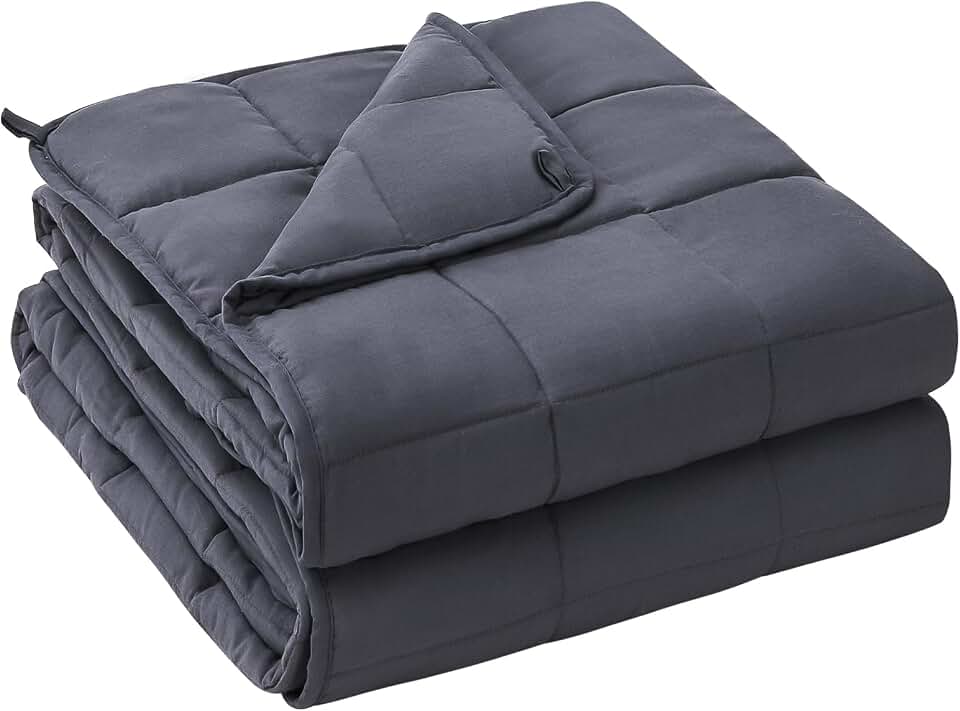
Maintenance is another factor. Digital apps require device updates, battery charging, and occasional troubleshooting with Bluetooth speakers or headphones. Physical aids like weighted blankets or white noise machines need cleaning, part replacement, or eventual disposal. When comparing the two, consider not just the upfront price, but the total cost of ownership over two years.
A cheap buy stops being cheap when the friction of use outweighs the benefit. If you find yourself skipping a meditation session because the app is buggy or the audio quality is poor, you are paying for something you aren't using. In contrast, a simple, reliable physical aid may have a higher initial cost but offers consistent, low-maintenance support every night.


As an Amazon Associate, we may earn from qualifying purchases.
Deep sleep meditation: what to check next
Guided sleep meditation offers a drug-free alternative for managing sleep issues, but many readers have practical concerns before committing to the practice. Here are answers to the most common questions about using meditation for rest.
Does guided sleep meditation actually work?
Guided sleep meditation works by using a narrator’s voice to lead your mind away from daily stressors and into a relaxed state. Research suggests this method is effective for improving sleep quality and reducing insomnia symptoms. By focusing on the voice, you give your brain a single point of attention, which helps quiet the racing thoughts that often keep you awake.
How long does it take to fall asleep with meditation?
Most people fall asleep within 10 to 20 minutes of starting a guided session. The exact time depends on how stressed you are and how comfortable you are with the practice. If you are new to meditation, it may take a few nights to get used to the routine. Consistency is more important than speed; regular practice trains your brain to associate the meditation with sleep.
What is the best type of meditation for deep sleep?
Guided sleep meditation is generally more effective than silent mindfulness for falling asleep. The narrator’s voice provides a gentle anchor that prevents your mind from wandering. Look for sessions that focus on body scans, breathing exercises, or visualization. Avoid high-energy or motivational content, which can stimulate the mind rather than calm it.
Can I use meditation if I have insomnia?
Yes, guided sleep meditation is a recommended tool for managing insomnia. It helps reduce the anxiety and rumination that often accompany sleep difficulties. While it may not replace medical treatment for chronic conditions, it is a safe, non-invasive way to improve sleep hygiene. Many people find that combining meditation with good sleep habits leads to significant improvements over time.
No comments yet. Be the first to share your thoughts!