


Deep sleep meditation budget
Choosing a guided sleep meditation app or device isn't just about finding the best audio; it's about matching the cost to your specific sleep struggles and age. The market splits into two distinct tiers: free library apps and premium hardware or subscription services. Understanding where your budget fits helps you avoid paying for features you won't use, like complex sleep tracking, when you simply need a voice to guide you into rest.
Free library apps
Apps like Insight Timer offer thousands of free guided sessions, including deep sleep meditations from teachers like Andrew Johnson. This is the ideal entry point for most adults. You get access to high-quality audio without a recurring fee. The trade-off is that you must curate your own playlist. If you have trouble relaxing before bed because you can't find the right track, the free tier might feel overwhelming rather than helpful.
Premium subscriptions
Paid apps like Calm or Headspace provide structured sleep programs and exclusive content. These are worth the monthly cost if you struggle to calm the brain to sleep on your own or need a consistent, narrated routine. The structure removes decision fatigue. However, if you only need occasional help, a monthly subscription may be overkill compared to a one-time purchase of a dedicated sleep aid device.
Dedicated sleep devices
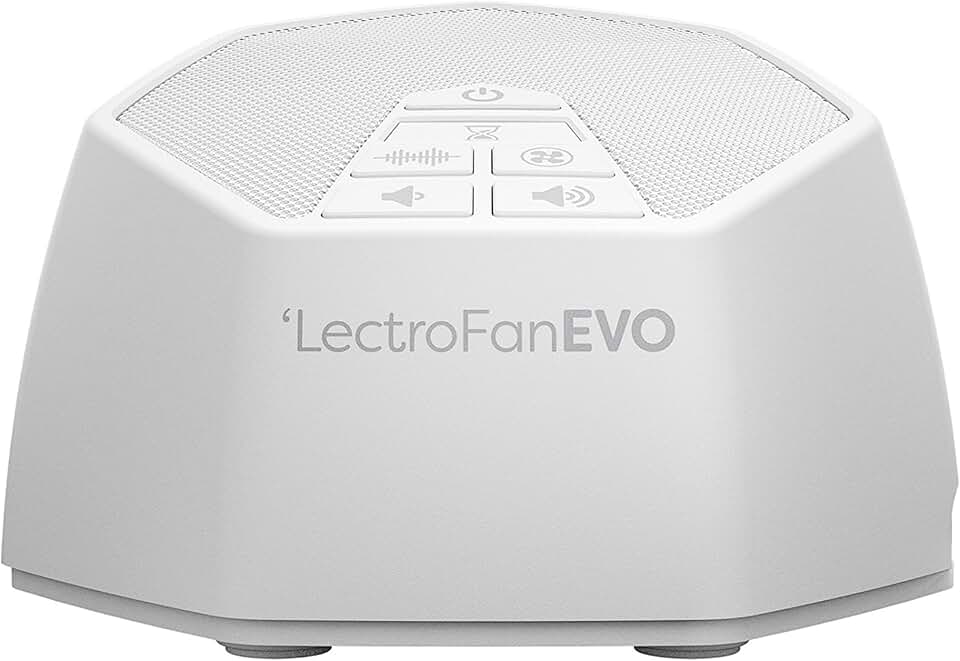
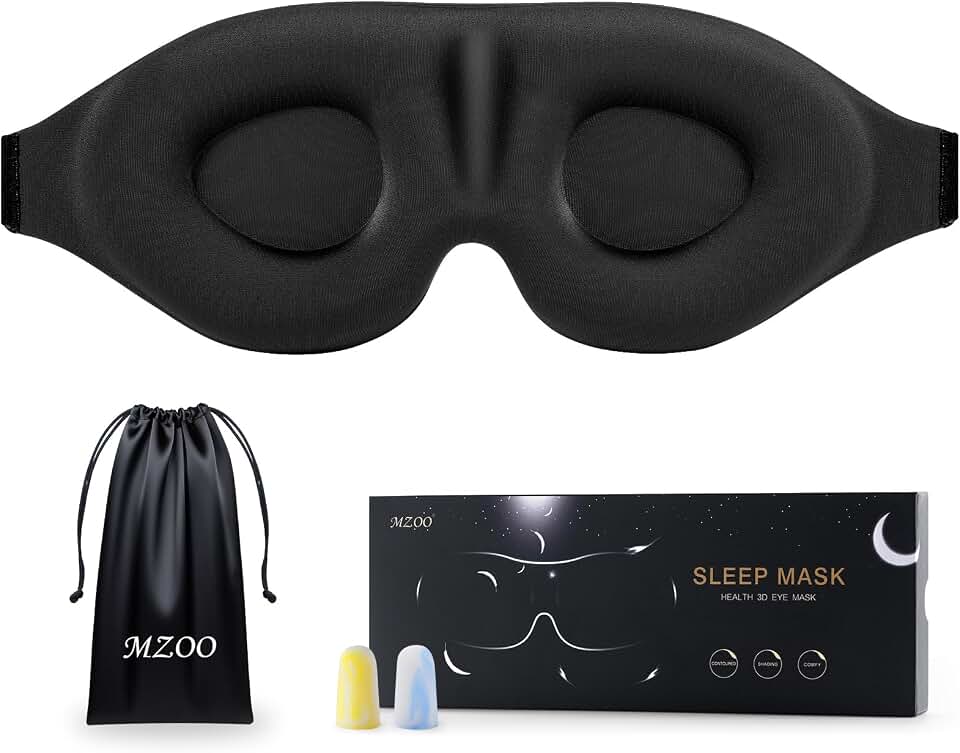
For those over 50 or with specific physical discomforts, dedicated sleep masks or white noise machines offer a different value proposition. These devices often include built-in guided meditations or binaural beats. They are useful for blocking environmental noise and providing gentle audio without holding a phone. While the upfront cost is higher, they eliminate the temptation to check your screen, which is a major barrier to getting extremely deep sleep.


As an Amazon Associate, we may earn from qualifying purchases.
Shortlist real options
Use this section to make the The Sleep Science Revolution decision easier to compare in real life, not just on paper. Start with the reader's actual constraint, then separate must-have requirements from details that are merely nice to have. A practical choice should survive normal use, maintenance, timing, and budget. If a recommendation only works in an ideal situation, call that out plainly and give the reader a fallback path.
| Factor | What to check | Why it matters |
|---|---|---|
| Fit | Match the option to the primary use case. | A good deal still fails if it does not fit the job. |
| Condition | Verify age, wear, and service history. | Hidden condition issues erase upfront savings. |
| Cost | Compare purchase price with likely upkeep. | The cheapest option is not always the lowest-cost option. |
Inspect the expensive parts
Use this section to make the The Sleep Science Revolution decision easier to compare in real life, not just on paper. Start with the reader's actual constraint, then separate must-have requirements from details that are merely nice to have. A practical choice should survive normal use, maintenance, timing, and budget. If a recommendation only works in an ideal situation, call that out plainly and give the reader a fallback path.
-
Verify the basicsConfirm the core specs, condition, and fit before comparing extras.
-
Price the downsideLook for the repair, maintenance, or replacement cost that would change the decision.
-
Compare alternativesCheck at least two comparable options before treating one listing as the benchmark.
Plan for ownership costs
A free meditation app might seem like a zero-cost entry, but digital subscriptions often behave like a slow leak. Many platforms lock their most effective guided sleep sessions behind a monthly fee that adds up to more than a one-time purchase of a premium device or a high-quality book. When you calculate the cost per night over two years, the "free" tier often becomes the more expensive option if you rely on it exclusively for deep sleep support.
Hardware and audio gear also carry hidden maintenance costs. Cheap sleep headbands or white noise machines frequently break after a few months, requiring replacement. Higher-quality options, such as weighted blankets or specialized sleep masks, require careful washing and occasional part replacements. Treat these items like small appliances: budget for a replacement every 12 to 24 months to maintain hygiene and effectiveness.
The true cost of sleep technology isn't just the sticker price; it's the time spent troubleshooting apps that glitch or devices that fail to sync. When a cheap buy stops being cheap, it's usually because the friction of use outweighs the benefit. Investing in a reliable, single-purpose tool often pays for itself by reducing the mental load of setting up your bedtime routine.


As an Amazon Associate, we may earn from qualifying purchases.
No comments yet. Be the first to share your thoughts!