

Morning Calm: Why 5 Minutes Matters
Many people think meditation requires hours of silent retreat, but that’s not the case. Even five minutes each morning can significantly change how you experience your day. For instance, when overwhelmed with work and family, a simple breath-focused meditation helped calm racing thoughts.
Science backs this up. Cortisol, the stress hormone, is typically highest in the morning, which can lead to anxiety and difficulty focusing. Meditation, even for a short period, has been shown to help regulate cortisol levels, promoting calm and clarity. A 2023 study in Health Psychology found that consistent, short meditation practices correlated with lower morning cortisol spikes.
The goal isn't enlightenment in five minutes. It's about creating a small pocket of stillness, a moment to center yourself before the day's demands. This can improve mood, increase focus, and build resilience. It’s about building a habit that supports your well-being.
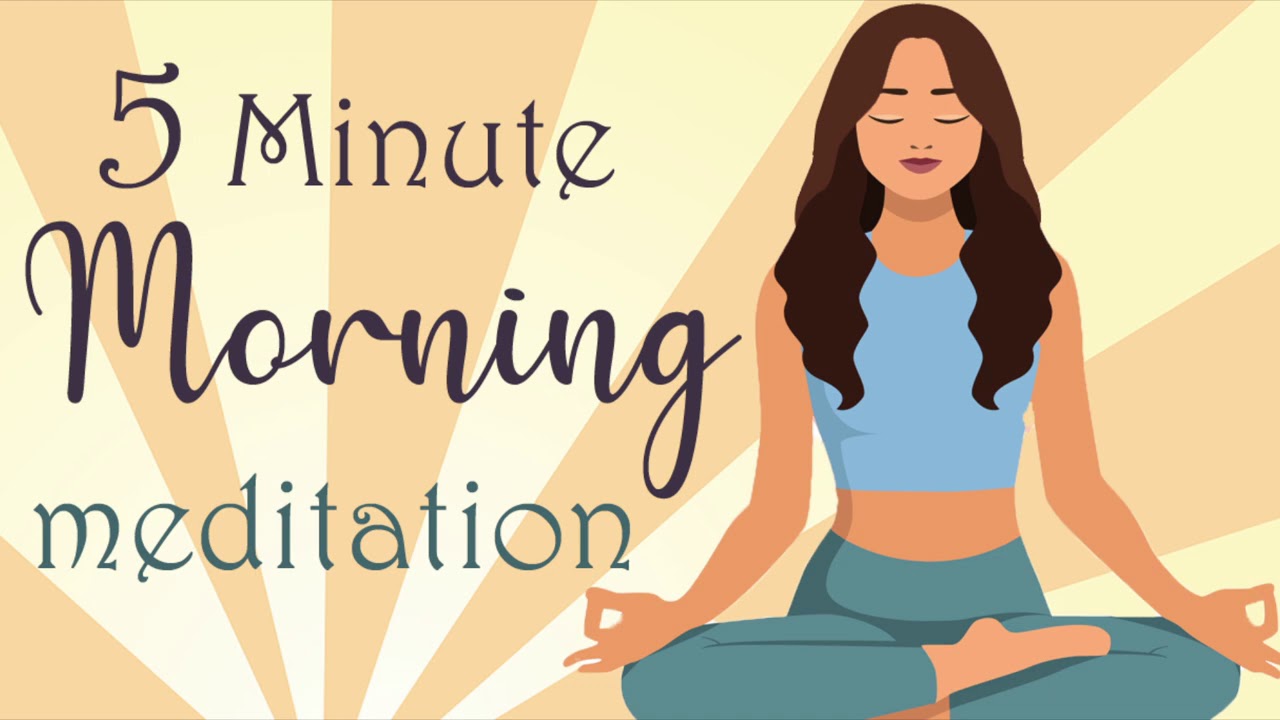
Breath Awareness: The Simplest Routine
For beginners, breath awareness is a great starting point. It requires no special equipment or prior knowledge. Find a comfortable position, like sitting in a chair with feet flat on the floor or cross-legged on a cushion. Close your eyes gently or lower your gaze. While resources like va.gov offer mindful breathing scripts, here’s a quick routine.
Take a few deep breaths, inhaling through your nose and exhaling through your nose or mouth. Let your breath settle into its natural rhythm; simply observe it. Notice the sensation of the breath entering and leaving your body, feeling your abdomen rise and fall. Focus on subtle sensations like the coolness of the air or the expansion of your chest.
Your mind will wander; this is normal. When you notice thoughts drifting, gently acknowledge them without judgment. Label the thought (e.g., “thinking,” “planning,” “remembering”) and redirect your attention back to your breath. This redirection is the practice. Continue for five minutes. The focus is on noticing and returning, not stopping thoughts.
Body Scan for Grounding
A body scan meditation cultivates present moment awareness and releases tension. Systematically bring your attention to different parts of your body, noticing sensations without trying to change them. This practice helps manage anxiety and feel more grounded.
Lie down or sit comfortably. Close your eyes and take a few deep breaths. Focus your attention on your toes, noticing any sensations like tingling, warmth, pressure, or the feeling of socks or shoes. Slowly move your attention up your feet, ankles, calves, and so on, to the top of your head.
As you scan each body part, observe what's there. If you notice tension, acknowledge it without judgment. You don't need to try to relax it; just notice it. If you feel nothing, that's fine. The goal is to bring your awareness to each part of your body. Adjust the scan to fit your position; it works well lying down, sitting, or standing.
Sound & Stillness: A Guided Approach
Sitting in silence can be challenging, especially for beginners. A guided meditation or ambient sounds can anchor your attention. Nature sounds like rain, ocean waves, or birdsong are effective, as are binaural beats designed for relaxation.
Resources like Zenful State offer meditation music and soundscapes designed to enhance focus and create a calming atmosphere. Experiment to find what resonates with you. Alternatively, search YouTube for “5 minute guided meditation” for many options. The '5 Minute Morning Freedom Guided Meditation' on YouTube is a popular starting point.
Guided meditation is valuable because someone else directs your attention. This helps if your mind wanders easily, allowing you to follow along without worrying about what to focus on. It's a good option for those who prefer a structured approach.
Loving-Kindness in Brief
Loving-kindness meditation (Metta) cultivates warmth, compassion, and kindness towards yourself and others. A condensed version can be effective in five minutes.
Find a comfortable position and close your eyes. Silently repeat phrases like: “May I be happy. May I be healthy. May I be safe. May I be at ease.” Direct these phrases towards yourself. Then, extend these wishes to someone you love, a neutral person (like a cashier), someone you find difficult, and finally to all beings.
It's common to experience resistance when directing loving-kindness towards someone you struggle with. If this happens, acknowledge the difficulty and gently return to the phrases. You don't need to force feelings of love or compassion; offer the intention. This practice can foster connection and empathy.
Movement & Mindfulness: Gentle Stretching
Combining mindful movement with meditation can be a good way to start your day. Gentle stretches, performed with full awareness of your body, can release tension and increase energy. The focus is on moving with intention and noticing sensations, not achieving a perfect stretch.
Start with simple movements like neck rolls, shoulder circles, and spinal twists. Move slowly and deliberately, paying attention to the feeling of each stretch. Notice any areas of tension and breathe into them. Listen to your body and respect its boundaries; avoid pushing beyond your limits.
This practice helps release physical tension contributing to stress and anxiety. Bringing awareness to your body creates a deeper mind-body connection, promoting wholeness and well-being.
- Neck Rolls: Gently rotate your head from side to side, noticing the stretch in your neck and shoulders.
- Shoulder Circles: Rotate your shoulders forward and backward, feeling the movement in your upper back.
- Spinal Twists: Gently twist your torso from side to side, keeping your hips stable.
Troubleshooting: When 5 Minutes Feels Impossible
Life happens, and some mornings five minutes can feel challenging. Lack of time is a common obstacle, but often it's a matter of prioritizing. Consider waking up five minutes earlier or meditating while waiting for coffee to brew.
undefined know you need a few minutes of peace. Restlessness is also normal, especially when you’re first starting out. Acknowledge the restlessness without judgment and gently redirect your attention back to your chosen practice.
Self-doubt can creep in, telling you that meditation isn’t working or that you’re doing it wrong. Remember that there’s no “right” way to meditate. Consistency is more important than perfection. Adapt the routines to fit your needs and preferences. If breath awareness feels too challenging, try a guided meditation. If you prefer movement, focus on mindful stretching. The key is to find something that works for you and stick with it.
Beyond the Basics: Resources for Deeper Practice
Five minutes is a great starting point, but as you become more comfortable with meditation, you may want to explore longer sessions. Zenful State offers a wealth of resources to support your practice, including meditation books, meditation classes, and inspiration for creating a peaceful meditation space.
Our website also features articles on specific meditation techniques and the benefits of meditation for different conditions, such as anxiety and sleep problems. You can find these resources in the 'Meditation Learning Resources' section. While shorter meditations offer immediate benefits, dedicating more time to practice can lead to deeper states of relaxation and insight.
Ultimately, the goal is to cultivate a consistent meditation practice that supports your overall well-being. Be patient with yourself, experiment with different techniques, and remember that even a small amount of time each day can make a profound difference. Embrace the journey, and enjoy the benefits of a more peaceful and mindful life.




No comments yet. Be the first to share your thoughts!