

The rise of digital zen
Meditation is no longer just for ashrams; it's a standard tool for handling daily stress. As VR headsets get cheaper and lighter, the two have merged into a practical way to practice mindfulness without leaving your house.
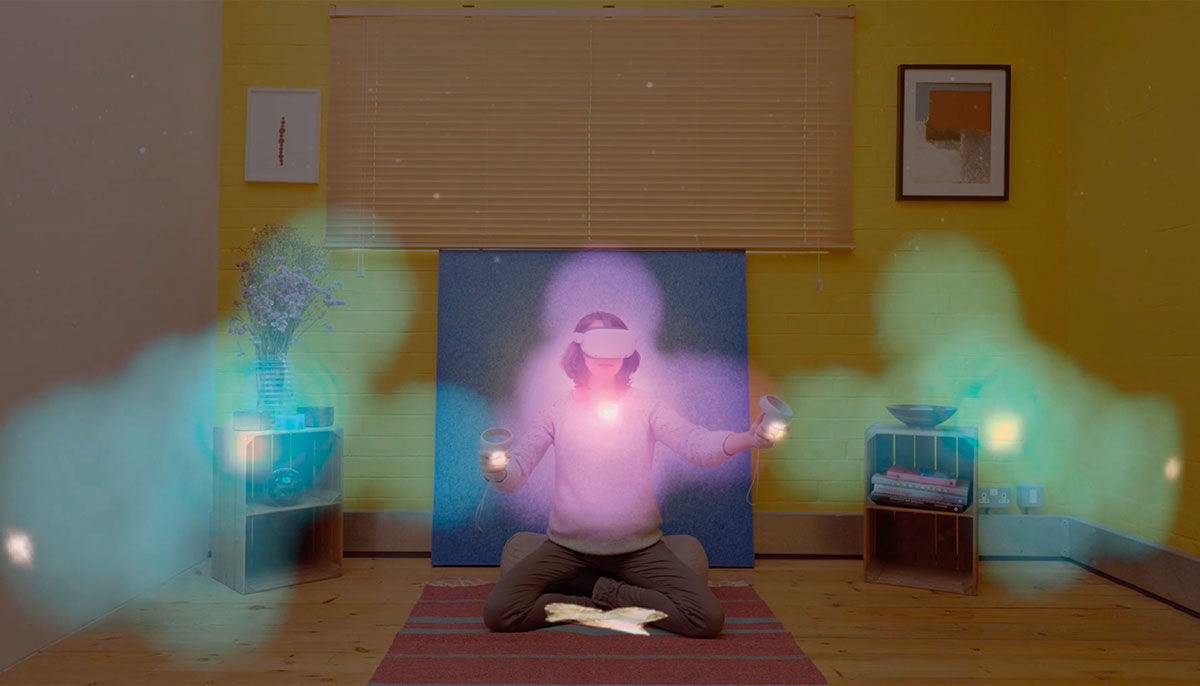
VR meditation uses immersive technology to create environments designed to enhance the meditative experience. Instead of sitting in a quiet room, you might find yourself on a tranquil beach, in a lush forest, or even floating in space. This isn’t just about novelty; the immersive nature of VR can help to block out distractions and deepen your focus. It’s a different way to approach a very old practice.
One of the biggest appeals of VR meditation is its accessibility. For individuals who live in areas with limited access to meditation centers, or those with physical limitations that make attending in-person classes difficult, VR offers a viable alternative. You can experience a guided meditation in a beautiful, calming environment from the comfort of your own home. This democratization of mindfulness is a significant shift.
While early adopters were primarily tech enthusiasts, we’re seeing wider adoption now. Apps like Tripp and Healium are gaining traction, and even the Department of Veterans Affairs is exploring VR as a tool for stress reduction and pain management. The potential for VR to make meditation more approachable and effective for a broader audience is significant.
The case for sitting in a room with people
For centuries, meditation has been practiced within a community, guided by experienced instructors. In-person meditation classes offer a time-tested approach to learning and deepening your practice. The benefits extend beyond the meditation itself; the social connection and shared experience can be incredibly valuable. There’s something to be said for physically being present with others who are on a similar journey.
Different styles of meditation are commonly taught in group settings. Vipassana, for example, focuses on observing the breath and bodily sensations to develop insight into the nature of reality. Zen meditation emphasizes zazen, or seated meditation, and often incorporates koans – paradoxical riddles designed to challenge conventional thinking. Transcendental Meditation (TM) utilizes mantras and is typically taught through a certified instructor. Each style has its own unique methodology and benefits.
The structure of in-person classes can vary. Some classes prioritize guided meditation, where an instructor leads the group through a visualization or breathing exercise. Others emphasize silent meditation, with minimal instruction. Many classes also include discussions about mindfulness principles and practices. This combination of guided practice and intellectual understanding can be very effective.
According to Yelp data from 2026, the average cost of a drop-in meditation class in Lauderdale Lakes, Florida, is around $20-30. Monthly memberships can range from $80 to $200, depending on the studio and the number of classes included. In larger cities like New York and Los Angeles, prices can be significantly higher. Class availability is generally good in urban areas, but may be limited in more rural locations.
VR Meditation: Immersion and Customization
The core strength of VR meditation lies in its ability to create truly immersive experiences. Unlike traditional meditation, where you rely on your imagination to create a peaceful environment, VR places you in one. This can be profoundly effective in reducing stress and promoting relaxation. The level of presence is unlike anything else. It's not simply visualizing a beach; you feel like you're on the beach.
Customization is another key advantage. Most VR meditation apps allow you to choose from a variety of environments – serene beaches, tranquil forests, majestic mountains, or even abstract, otherworldly landscapes. You can tailor the experience to your personal preferences and find the setting that best supports your meditative state. Some apps even allow you to upload your own 360-degree photos or videos to create personalized environments.
Guided meditations are readily available within VR experiences. These can range from short, five-minute sessions to longer, more in-depth practices. The ability to control the pace and intensity of the meditation is also a significant benefit. You can pause, rewind, or fast-forward as needed, allowing you to fully immerse yourself in the experience without feeling rushed or overwhelmed.
The potential for biofeedback integration is an exciting development. Some VR meditation apps are beginning to incorporate heart rate monitoring and other biometric sensors to provide real-time feedback on your physiological state. This allows you to track your progress and adjust your technique accordingly. Imagine seeing your heart rate slow down as you deepen your meditative state – a powerful visual reinforcement of the practice.
Apps like Healium use biometric data to influence the VR environment. Your heart rate variability can actually change the colors and patterns within the virtual world, creating a dynamic and responsive experience. This level of interactivity goes beyond simple relaxation and taps into the power of neuroplasticity.
- Tripp provides a library of psychedelic-style visuals and guided breathing exercises.
- Healium connects to your smartwatch to change the environment based on your actual heart rate.
- Guided Meditation VR: Focuses on providing high-quality guided meditations in stunning virtual locations.
Featured Products

30% sharper resolution and 2x graphical processing power for enhanced visuals · Wireless virtual reality experience · Includes a 3-month trial of Meta Horizon+ with access to over 40 games
This headset offers a significant upgrade in visual fidelity and processing power for a more immersive virtual meditation experience, with a generous game trial included.

256GB storage capacity · VR headset designed for immersive experiences · White color option
The PICO 4 provides ample storage and a design focused on immersion, making it a solid choice for virtual meditation sessions.

Headset only, requiring separate controllers and base stations · High-resolution display for detailed visuals · Designed for advanced VR experiences
The HTC Vive Pro 2 headset delivers high-resolution visuals, ideal for users seeking a premium and detailed virtual environment for their meditation practice, provided they have or acquire the necessary accessories.

High-resolution 2160 x 2160 LCD panels per eye · Adjustable lenses and speakers from Valve · Ergonomic design with 4 integrated cameras for tracking
The HP Reverb G2 boasts exceptionally high-resolution displays and comfortable ergonomics, offering a clear and engaging visual experience for virtual meditation.
As an Amazon Associate I earn from qualifying purchases. Prices may vary.
Comparing the costs
The financial commitment differs significantly between VR and in-person meditation. In-person classes typically involve drop-in rates, which, as previously mentioned, average around $20-30 per class. Monthly memberships offer a more cost-effective option for regular attendees, ranging from $80 to $200 depending on location and studio. Don’t forget to factor in travel costs, which can add up quickly.
VR meditation requires an initial investment in a VR headset. The Meta Quest 3, a popular choice for VR meditation, currently retails for around $500. Higher-end headsets, such as the HTC Vive Pro 2, can cost upwards of $1000. Beyond the headset, you’ll also need to purchase meditation apps or subscriptions. Many apps offer free trials or limited free content, but full access typically requires a monthly or annual subscription, costing between $10 and $30 per month.
Accessories, such as comfortable headphones or a dedicated VR space, can add to the overall cost. However, once you’ve made the initial investment, the ongoing costs of VR meditation are generally lower than those of in-person classes. You’re not paying per session, and you can meditate as often as you like without incurring additional expenses.
Over the long term, VR meditation can be a more economical option, especially for those who meditate frequently. However, the initial upfront cost of the headset can be a barrier to entry for some. A simple table illustrates the comparison:
Virtual Reality Meditation vs. In-Person Sessions: A Comparative Overview (2026)
| Feature | Virtual Reality Meditation | In-Person Meditation |
|---|---|---|
| Cost | Potentially Lower (after initial equipment investment) | Generally Medium to High |
| Convenience | Higher - Accessible from home, flexible scheduling | Medium - Requires travel, fixed class times |
| Customization | Higher - Variety of environments, guided experiences | Medium - Dependent on instructor and class style |
| Social Interaction | Lower - Limited direct interaction with others | Higher - Direct interaction with instructor and peers |
| Instructor Guidance | Medium - Relies on pre-recorded or remotely guided sessions | Higher - Direct, real-time feedback and adjustments |
| Immersion & Distraction Control | Higher - Potential for deep immersion, but tech issues can be distracting | Medium - Environment dependent, external distractions possible |
| Accessibility | Better for individuals with mobility limitations or geographic barriers | May be challenging for those with limited mobility or transportation |
| Technical Requirements | Requires VR headset and compatible device; potential for technical difficulties | Minimal - Typically requires only a comfortable space |
Qualitative comparison based on the article research brief. Confirm current product details in the official docs before making implementation choices.
The Role of Guidance: Instructor Presence
The presence of a qualified instructor is a cornerstone of traditional meditation practice. A live instructor can provide personalized feedback, answer questions, and guide you through the process. They can also create a supportive and encouraging community, which can be invaluable for maintaining motivation and deepening your practice. The human connection is a powerful element.
VR meditation, on the other hand, typically relies on pre-recorded or AI-guided meditations. While these can be effective, they lack the dynamic interaction and personalized attention of a live instructor. The quality of the guidance can also vary significantly depending on the app or experience. It’s important to choose reputable sources with experienced meditation teachers.
However, VR is attempting to bridge this gap. Some apps are incorporating interactive elements, such as virtual instructors who respond to your movements and provide feedback. Others are building virtual communities where users can connect with each other and share their experiences. These innovations are helping to recreate some of the benefits of an in-person class.
The Whole Health Library from the Department of Veterans Affairs (va.gov) emphasizes the importance of finding a qualified instructor and establishing a consistent practice. This advice holds true regardless of whether you choose in-person or VR meditation. The key is to find a method that resonates with you and provides the support you need to succeed.
Ultimately, the value of instructor guidance depends on your individual needs and preferences. Some people thrive in a structured classroom environment, while others prefer the flexibility and independence of self-guided practice.
Haptics and AI: what's next
The future of VR meditation looks promising. We can expect to see continued advancements in VR technology, such as improved haptics, which will allow you to feel the environment more realistically. Higher resolution displays and wider fields of view will further enhance the sense of immersion. Eye tracking technology will enable more intuitive interactions within the virtual world.
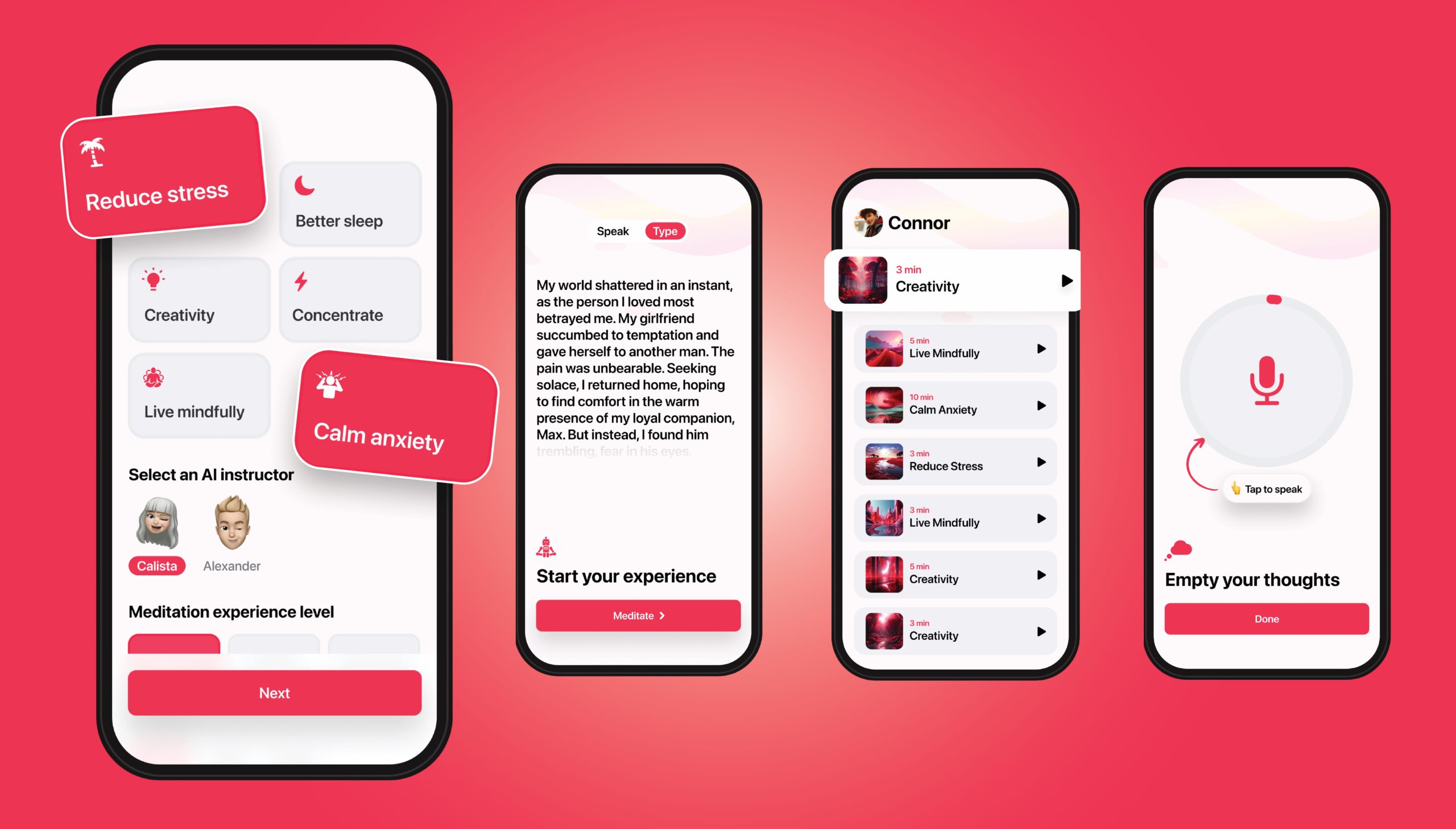
The integration of AI will play a significant role. AI-powered meditation apps will be able to personalize the experience based on your individual needs and preferences. They’ll analyze your biometric data, track your progress, and adjust the meditation accordingly. Imagine an AI instructor that understands your specific challenges and provides tailored guidance.
Brain-computer interfaces (BCIs) are a more futuristic development, but they hold the potential to revolutionize meditation. BCIs could allow you to directly control the VR environment with your thoughts, creating a truly seamless and immersive experience. This technology is still in its early stages, but it’s being actively researched.
We’re also likely to see the emergence of metaverse-based meditation communities. These virtual spaces will allow people to connect with each other, share their experiences, and participate in group meditations. The metaverse could become a hub for mindfulness and wellbeing, offering a sense of community and support.


No comments yet. Be the first to share your thoughts!