


Deep sleep meditation budget
The cost of guided sleep meditation ranges from free app subscriptions to premium one-time purchases, with pricing largely determined by audio production quality and library depth. When budgeting for deep sleep solutions, expect to pay between $10 and $40 for dedicated digital albums on Amazon, while monthly app memberships typically run $10 to $15. The tradeoff is straightforward: free content often relies on repetitive loops or basic narration, whereas paid options usually feature professional sound design, varied therapist voices, and structured progressions that prevent habituation.
For most users, a single high-quality guided session is more effective than a large library of mediocre tracks. Look for products that offer progressive relaxation techniques combined with breathwork, as these elements are critical for lowering cortisol levels before bed. Avoid subscriptions that bury simple sleep aids under hundreds of unrelated mindfulness tracks; you need a focused tool, not a general wellness platform.
If you are testing the waters, start with a low-cost digital download to assess your response to specific voice tones and pacing. Many listeners find that a deeper, slower narration style works better for anxiety-related sleep issues than upbeat or energetic guides. Investing in a well-reviewed, specialized deep sleep album often yields better long-term results than a generic monthly subscription you may cancel after a few weeks.
Shortlist real options
Use this section to make the The Sleep Revolution decision easier to compare in real life, not just on paper. Start with the reader's actual constraint, then separate must-have requirements from details that are merely nice to have. A practical choice should survive normal use, maintenance, timing, and budget. If a recommendation only works in an ideal situation, call that out plainly and give the reader a fallback path.
| Factor | What to check | Why it matters |
|---|---|---|
| Fit | Match the option to the primary use case. | A good deal still fails if it does not fit the job. |
| Condition | Verify age, wear, and service history. | Hidden condition issues erase upfront savings. |
| Cost | Compare purchase price with likely upkeep. | The cheapest option is not always the lowest-cost option. |
Inspect the expensive parts
Guided sleep meditation apps and devices are only as good as the content they deliver. A $300 white noise machine is useless if the sound loop causes micro-awakenings, and a premium meditation subscription is a waste if the narrator’s voice triggers anxiety instead of relaxation. Before committing to a long-term sleep aid, inspect these high-failure points to ensure the tool actually supports deep sleep rather than interrupting it.
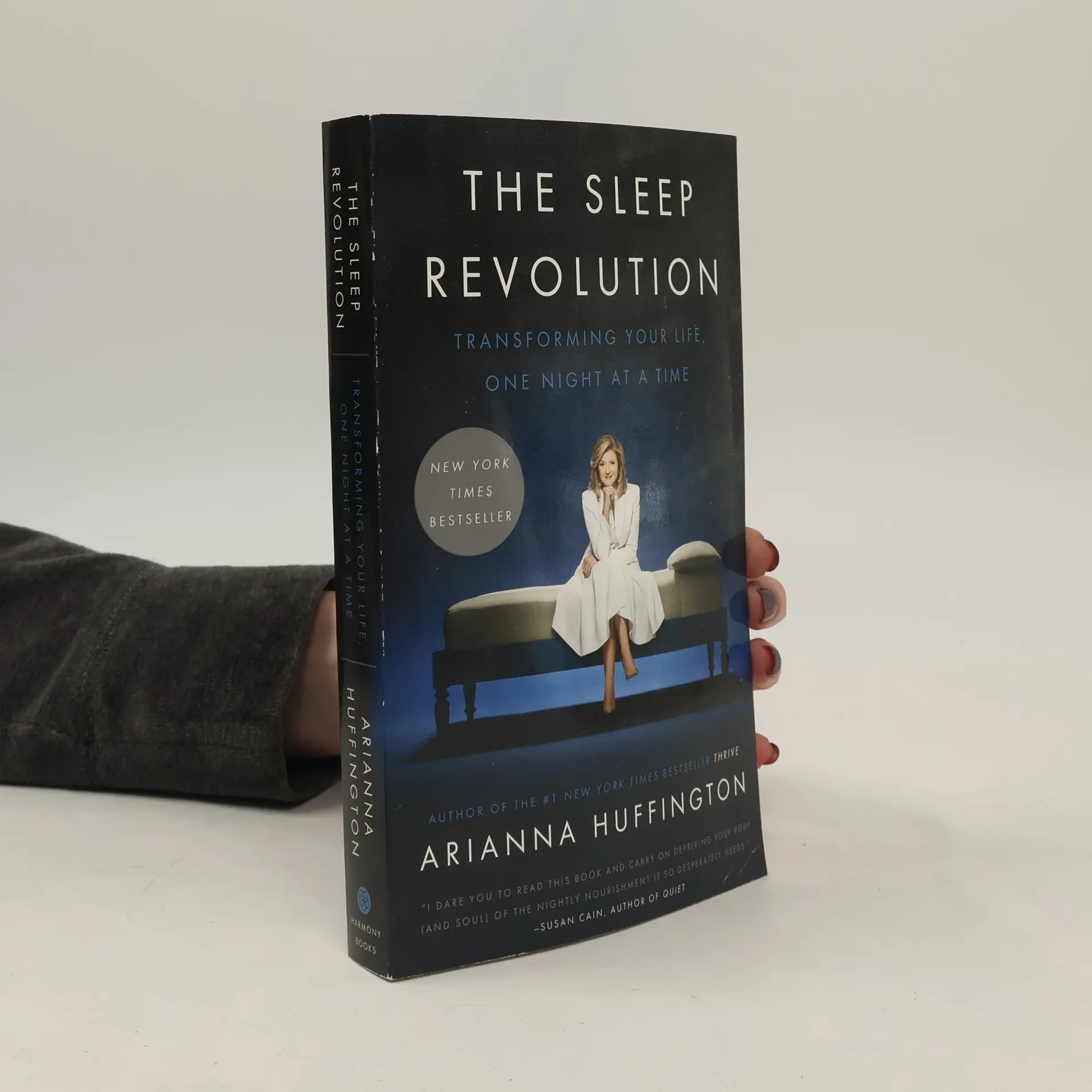
Cheap sound machines often use low-quality MP3s that compress audio, creating harsh digital artifacts or abrupt silence between loops. These tiny gaps can trigger the brain’s startle reflex, pulling you out of delta sleep. Look for products that use high-fidelity, seamless looping technology or lossless audio files. If the sound cuts out for even a second, your rest is compromised.
Not all voices are created equal for sleep. A narrator who speaks too quickly, uses dramatic inflection, or emphasizes certain words can keep the brain engaged in linguistic processing rather than letting it drift. The best guided sleep meditations use a monotonous, slow cadence with long pauses. Listen to a free sample on Insight Timer or YouTube to ensure the voice feels like a heavy blanket, not a lecture.
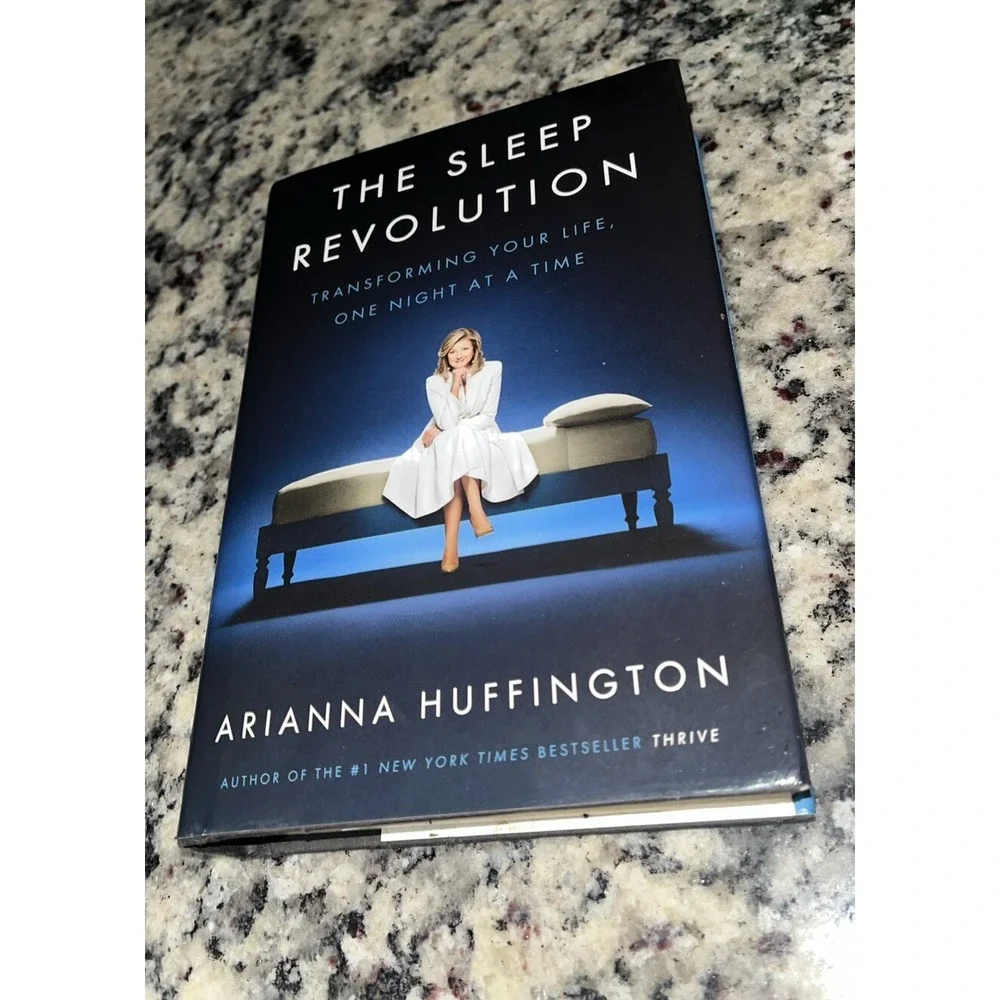
Electronics are never truly silent. Cheaper sleep devices emit a faint electrical hum or fan noise that can be distracting in a quiet bedroom. Place the device in your actual sleeping environment at night volume levels. If you hear a whine or hum when the room is quiet, the device will likely become a source of stress rather than relief. High-end devices often use silent fans or pure digital sine waves to avoid this.
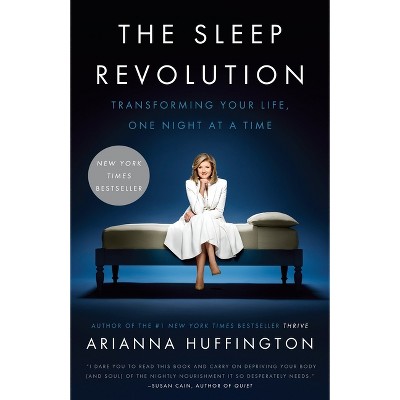
Many meditation apps offer a shallow free tier with only one or two generic tracks, then lock the high-quality, scientifically backed deep sleep sessions behind a paywall. Check if the premium content includes actual guided body scans, breathwork, or cognitive behavioral therapy for insomnia (CBT-I) techniques. If the paid library only contains basic relaxation scripts, the subscription is not worth the cost.
As an Amazon Associate, we may earn from qualifying purchases.
By focusing on these specific failure points, you avoid buying sleep aids that look good in marketing but fail in the dark of your bedroom. The goal is seamless integration into your sleep routine, not another object to manage or troubleshoot.
Ownership Costs and Maintenance Surprises
Guided sleep meditation apps and hardware often operate on a "freemium" model that can quietly inflate your monthly expenses. While a free trial might seem like a low-risk entry, the real cost comes from subscription renewals, premium content locks, and the hardware wear-and-tear that comes with nightly use. Understanding these hidden costs helps you decide when a cheap entry price becomes expensive over time.
Many popular meditation platforms charge a monthly or annual fee for access to their full library of deep sleep tracks. If you rely on a specific app for anxiety relief or sleep onset, forgetting to cancel a trial can lead to unexpected recurring charges. Additionally, some apps lock the most effective sleep aids—such as binaural beats or specific guided narratives—behind a paywall, forcing you to pay just to access the core functionality you signed up for.
Hardware-based sleep aids, like smart headbands or white noise machines, carry their own ownership burdens. Batteries need replacing, and electronic devices eventually fail or become obsolete. Unlike a one-time purchase of a book or a physical CD, digital subscriptions require ongoing payments to maintain access. If a device breaks after six months, the cost per use skyrockets compared to a simple, durable earbud or a free phone-based meditation.
To avoid these pitfalls, look for products with clear, one-time purchase options or free tiers that actually include the essential sleep tracks. Check if the app offers a lifetime license or if the hardware includes replaceable parts. The goal is to find a sustainable solution that supports your rest without creating a new financial burden.


As an Amazon Associate, we may earn from qualifying purchases.
Deep sleep meditation: what to check next
How to get extremely deep sleep?
Deep sleep is a physiological state, not just a feeling. To access it, you need to lower your core body temperature and reduce cognitive arousal. Guided sleep meditation helps by providing a consistent auditory anchor that prevents the mind from circling back to daily stressors. Pair this with a cool, dark room and a consistent bedtime to signal to your body that it is time to enter the restorative delta wave stage.
How to calm mind for sleep?
Calmness comes from shifting focus from active thinking to passive sensory awareness. Instead of trying to force your thoughts away, use a guided meditation that directs your attention to physical sensations, such as the rhythm of your breath or the weight of your body in the mattress. This technique, often called body scanning, interrupts the loop of anxious planning and allows your nervous system to downshift into a state of rest.
What is a powerful mantra for deep sleep?
A powerful mantra for sleep is simple, repetitive, and emotionally neutral. Phrases like "peace" or "release" work better than complex affirmations because they require minimal mental processing. The goal is to use the mantra as a gentle hook to catch your wandering thoughts and bring them back to the present moment without judgment or effort, creating a rhythmic lull that encourages deep relaxation.
What is the best sleep meditation for deep sleep and anxiety?
The best meditation for anxiety-induced insomnia is one that combines progressive muscle relaxation with breathwork. Look for guided sessions that explicitly guide you to release tension in specific body parts while slowing your breathing. This dual approach addresses both the physical symptoms of anxiety (tight muscles) and the mental symptoms (racing thoughts), making it more effective than visualization-only tracks for those struggling with worry.
No comments yet. Be the first to share your thoughts!