


How guided sleep meditation works
Guided sleep meditation uses structured narration to lower the mental friction that keeps you awake. When you try to sleep in silence, your brain often defaults to problem-solving or replaying the day’s events. A guided track provides a specific focus—usually a body scan, a breathing rhythm, or a calming visualization—which occupies the part of your mind that generates anxiety. This process reduces cognitive load, allowing your brain to transition from active beta waves to the slower, relaxed theta waves associated with drowsiness and sleep onset.
This mechanism is particularly effective for circadian health because it signals to your body that it is time to wind down. Unlike white noise or ambient sound, which can be ignored or become distracting, a voice provides a gentle anchor. By following the instructor’s pacing, you engage in a form of active relaxation that prevents the mind from racing. Over time, this consistency helps reinforce your sleep-wake cycle, making it easier to fall asleep naturally without relying on external aids like pills.
The effectiveness of these platforms lies in their ability to simulate a supportive presence. Whether through a soothing voice or a structured narrative, the goal is to create a safe mental space where you can let go of tension. This is not just about relaxation; it is about training your brain to associate specific audio cues with the state of rest, creating a reliable pathway to deep, restorative sleep.
The top sleep meditation platforms
Finding the right sleep meditation platform often comes down to matching your specific sleep habits with the right type of audio guidance. Some users need a gentle voice to talk them down from a busy day, while others prefer ambient soundscapes that mask household noise. The best platforms organize their libraries by these distinct needs, offering everything from expert-led guided sessions to endless rain loops.
Insight Timer
Insight Timer stands out for its sheer volume of free content. With over 200,000 tracks, it functions less like a traditional app and more like a massive library of sleep resources. You can filter specifically for sleep meditations, finding everything from short breathing exercises to hour-long guided relaxations.
The platform leverages a community of teachers, meaning you will find a wide variety of voices and techniques. This diversity allows you to find a narrator whose tone resonates with you, which is critical for winding down. While the free tier is robust, the app also offers a premium tier for those who want offline access and advanced timer features.
Jason Stephenson’s Guided Meditations
For listeners who prefer a single, consistent voice, Jason Stephenson’s channel offers a focused collection of sleep-specific content. His library is built around "sleep talk-downs," a technique that uses a slow, rhythmic narrative to guide the brain into a resting state.
The content here is less about variety and more about depth. You will find extended sessions that blend gentle guidance with ambient rain sounds. This approach works well for people who find standard meditation instructions too active or engaging before bed. The consistent style helps create a reliable bedtime ritual.
Calm
Calm remains a dominant force in the sleep meditation space due to its high production values and celebrity narrators. The app is known for its "Sleep Stories," which are essentially bedtime stories read by famous voices to distract the mind from daily anxieties.
Beyond stories, Calm offers a curated library of soundscapes and guided meditations. The interface is polished and intuitive, making it easy to create a personalized sleep mix. While it requires a subscription, the quality of the audio and the consistency of the content make it a popular choice for those willing to pay for a streamlined experience.
Headspace
Headspace takes a more educational approach to sleep. Instead of just playing audio, it guides you through the science of why you might be struggling to sleep. The "Sleepcasts" are animated visual journeys paired with soothing narration, designed to keep your mind occupied just enough to prevent racing thoughts.
The platform’s structured courses help users build a long-term meditation habit. If you are new to sleep meditation and want to understand the mechanics behind better rest, Headspace provides a clear, step-by-step path. The visual component is unique and can be particularly helpful for visual learners who find pure audio meditations difficult to follow.
| Feature | Insight Timer | Jason Stephenson | Calm | Headspace |
|---|---|---|---|---|
| Primary Content Type | Community Library | Guided Talk-downs | Sleep Stories | Sleepcasts |
| Cost Model | Free + Premium | Free (YouTube) | Subscription | Subscription |
| Best For | Variety Seekers | Consistency Fans | Production Value | Beginners |
Featured sleep meditation tools
Finding the right audio environment is often the difference between tossing and turning and drifting off quickly. While dedicated apps offer structured programs, many users find that high-quality guided meditations and ambient soundscapes available through broader platforms or direct purchases provide the flexibility they need. Below are some of the most effective tools and resources to help you establish a consistent deep sleep routine.
Guided Sleep Meditations and Audio Resources
For those who prefer not to subscribe to a single app ecosystem, curated audio collections offer a vast library of content. Jason Stephenson’s guided sleep meditations are widely recognized for their calming voice and extensive use of rain soundscapes, which many listeners find effective for masking household noise. Similarly, Andrew Johnson’s sleep meditations on Insight Timer provide gentle breathing exercises and body scans that help release physical tension before bed. These resources are often available for free or as part of larger meditation platforms, making them accessible starting points for beginners.
Best-Selling Sleep Meditation Books
Sometimes the best meditation guide is one you can carry with you or listen to via included audio codes. Books like The Sleep Revolution by Arianna Huffington offer both the science behind rest and practical meditation techniques to integrate into your nightly routine. Other popular titles focus specifically on visualization journeys, such as Ascension From Earth to Stars, which guides listeners through calming imagery to ease the transition into sleep. These physical or e-book resources often include QR codes or links to audio tracks, blending reading with auditory relaxation.
Sleep-Friendly Hardware
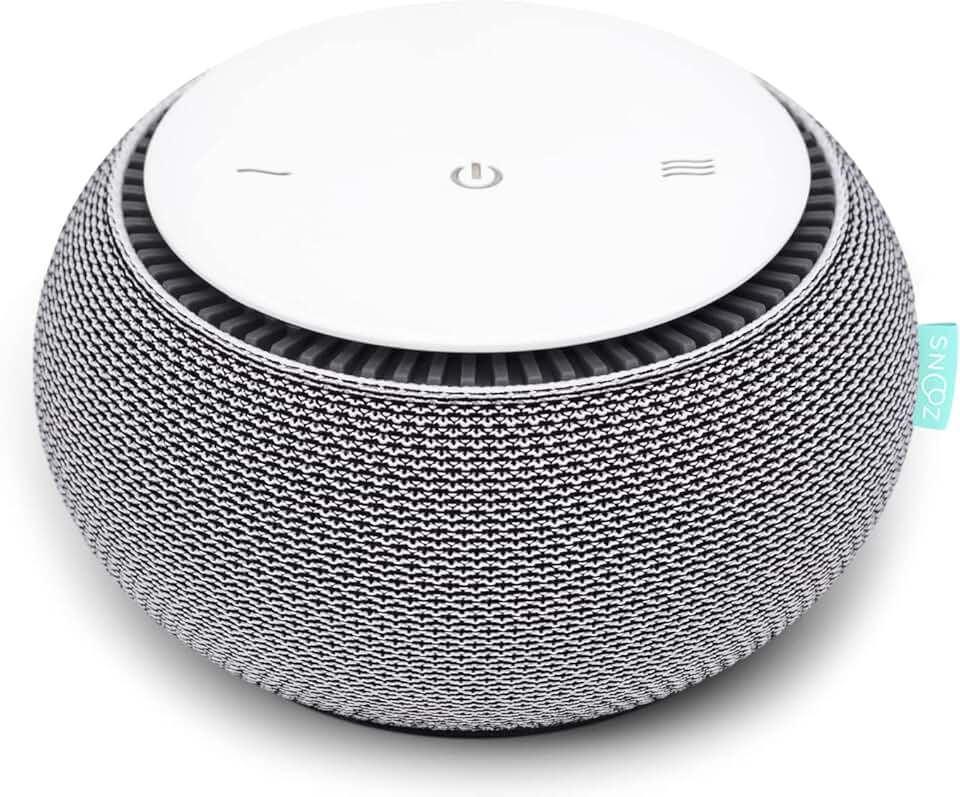
The quality of your audio can significantly impact how well you relax. Using dedicated sleep headphones, such as soft headbands with built-in speakers, allows you to listen to guided meditations without discomfort or the risk of ear damage from prolonged earbud use. These devices are designed to lie flat against the head, preventing pressure points that can keep you awake. Pairing these with a white noise machine or a smart speaker with sleep timers can create a consistent auditory environment that signals to your brain it is time to rest.


As an Amazon Associate, we may earn from qualifying purchases.
Choosing the right sleep meditation resource
Selecting the best sleep meditation resource depends less on features and more on your specific sleep struggle. Are you fighting to fall asleep, or do you wake up frequently during the night? The right tool addresses the root cause of your insomnia rather than just offering generic relaxation.
If your primary issue is falling asleep, look for guided meditations with a "sleep story" or body scan format. These audio tracks are designed to distract the mind from racing thoughts and gently guide you into a state of drowsiness. Apps like Insight Timer offer vast libraries of free sleep stories, while Calm provides high-production narratives that can help you drift off quickly. The goal here is to occupy the analytical part of your brain so you can stop worrying about being awake.
For those who wake up frequently, the focus should be on maintaining sleep through non-sleep deep rest (NSDR) or yoga nidra. These practices help lower your heart rate and keep you in a relaxed state even if you briefly wake up, preventing full alertness. Apps like Balance often include specific modules for "staying asleep" that use progressive muscle relaxation to soothe the nervous system back into slumber without jarring you awake.
Budget is also a deciding factor. Many users find that free apps like Insight Timer or YouTube channels like The Honest Guys provide sufficient content for occasional use. However, if you struggle with chronic insomnia, a paid subscription to an app like Headspace or Calm may offer the consistency and specialized content needed to build a sustainable sleep habit. Start with the free options to see if guided audio helps, then invest in a premium plan if you find yourself returning to it nightly.
Common questions about sleep meditation
How long should a guided sleep meditation be?
Most effective sleep meditations range from 20 to 60 minutes. Shorter tracks (10-15 minutes) work well if you are already relaxed, but longer sessions allow the nervous system to fully downshift. Apps like Insight Timer offer thousands of free tracks in this range, letting you choose based on your current energy levels.
Can meditation replace sleep?
No. Meditation aids relaxation and can help you fall asleep faster, but it does not provide the physiological restoration that actual sleep does. Think of it as a bridge to rest, not a substitute. If you have chronic insomnia, consult a healthcare provider alongside using meditation tools.
What is the best time to listen to sleep meditation?
The optimal time is right before you lie down in bed, ideally in a dark, cool room. Listening while you are already in bed signals to your brain that it is time to wind down. Consistency matters more than the exact hour; sticking to a pre-sleep routine helps anchor the habit.
What is the difference between sleep meditation and hypnosis?
Sleep meditation typically focuses on mindfulness, body scanning, or gentle visualization to reduce anxiety. Sleep hypnosis often involves deeper suggestion techniques to change subconscious patterns related to sleep. Both can be effective, but hypnosis usually requires a more guided, directive audio structure.
Do I need an app to practice sleep meditation?
Apps provide structure, tracking, and curated content, which helps many users stay consistent. However, free resources like YouTube channels (e.g., Jason Stephenson) or static audio files can be equally effective if you prefer not to subscribe. The key is finding a voice and style that resonates with you.
No comments yet. Be the first to share your thoughts!