

What is a zenful state
A zenful state is a modern mental wellness goal that bridges traditional Zen concepts with contemporary needs for stress relief and deep sleep. It is not about achieving permanent enlightenment or escaping reality, but rather cultivating a temporary state of mental clarity and emotional balance.
At its core, entering a zenful state means calming your mind and being fully present in the moment. It involves letting go of stress, judgment, and the constant loop of overthinking that characterizes much of modern life. When you cultivate this state of mind, you create the mental space necessary to make decisions, work on projects, and feel energized without the weight of anxiety.
This state is particularly valuable for those seeking better sleep. By reducing mental chatter before bed, you allow your body to transition into deep rest more naturally. The goal is to find a middle ground between high alertness and total disengagement, a place where you are relaxed yet aware.
Achieving a zenful state does not require hours of silent retreats. It can be supported by accessible resources like guided meditations, ambient soundscapes, and sleep-focused audio tracks. These tools help bridge the gap between the noisy external world and the quiet internal space needed for true relaxation.
Top guided sleep meditations
Achieving a zenful state during sleep requires more than just silence; it needs specific audio cues that guide the brain into deep relaxation. The following products are curated to help you drift off by combining gentle narration, ambient soundscapes, and binaural beats. These selections prioritize quality production and proven effectiveness for restorative rest.
Deep Sleep Meditation for Insomnia
This album is widely recognized for its ability to quiet a racing mind. It features a blend of soft piano melodies and subtle nature sounds, such as distant rain and wind, which mask disruptive household noises. The track lengths are designed to span the entire night, ensuring continuous support as you transition through different sleep cycles without waking up to abrupt changes in audio.
The Zenful State Sleep Collection
Centered around the concept of a zenful state, this collection uses guided body scans to release physical tension before sleep. The narrator’s voice is calm and measured, avoiding the jarring transitions found in lesser recordings. It is particularly effective for those who struggle with anxiety-induced insomnia, as the progressive relaxation techniques help lower heart rate and breathing before you even close your eyes.
Ambient Sounds for Deep Rest
Sometimes words can be distracting. This product focuses purely on atmospheric soundscapes, including brown noise and low-frequency drones that promote deep, uninterrupted sleep. It is ideal for heavy sleepers or those who find guided meditations too engaging. The lack of structure allows the listener to fall asleep naturally without focusing on the audio content.
![Pink Noise (Deep Sleep Aid) [For Tinnitus, Insomnia, De-Stress, Massage, Meditation, Holistic Healing, Relaxation] [1 Hour]](https://m.media-amazon.com/images/I/71QdzmDsJIL._AC_UY654_QL65_.jpg)

As an Amazon Associate, we may earn from qualifying purchases.
Best meditation apps for daily practice
Finding the right digital companion is essential for maintaining a consistent Zenful State. The best meditation apps for daily practice offer structured 5-minute routines that fit into busy schedules, along with robust long-term mindfulness tracking to visualize your progress. These tools transform abstract intentions into measurable habits, helping you stay grounded.
When selecting an app, look for platforms that prioritize short, accessible sessions over hour-long lectures. A reliable Zenful State often begins with brief, focused intervals rather than marathon sessions. Below is a comparison of leading apps based on their feature sets, content libraries, and specific focus areas.
| App | Price Model | Content Library | Primary Focus |
|---|---|---|---|
| Headspace | Subscription | Large | Guided courses & sleep |
| Calm | Subscription | Large | Sleep stories & nature |
| Insight Timer | Freemium | Massive | Community & timer |
| Balance | Free trial then sub | Medium | Personalized plans |
Headspace and Calm remain the industry standards for structured learning. Headspace excels in teaching the fundamentals of mindfulness through animated guides, making it ideal for beginners. Calm focuses heavily on relaxation and sleep, offering a vast library of nature sounds and stories. Both apps provide excellent tracking features to monitor your streaks and total minutes meditated.
For those seeking variety or a free option, Insight Timer offers the largest library of free meditations. Its community features allow users to join group sessions, which can enhance the sense of connection. Balance uses AI to personalize your meditation path, adjusting recommendations based on your mood and goals. This adaptability helps maintain engagement over the long term.


As an Amazon Associate, we may earn from qualifying purchases.
Ultimately, the best app is the one you will use consistently. Start with a free trial to test the interface and voice guidance. Once you find a platform that resonates with your style, commit to a daily routine. Consistency is the true key to achieving and maintaining a Zenful State.
How to build a 5-minute routine
Creating a Zenful State doesn't require an hour of silence or a retreat to a mountain top. It starts with integrating short, manageable sessions into your existing day. A five-minute window is long enough to reset your nervous system but short enough to fit between meetings or before bed.
Attach your meditation to a habit you already do. Whether it is right after brushing your teeth or immediately after sitting at your desk, consistency matters more than duration. This triggers your brain to recognize the cue, making it easier to slip into a Zenful State without decision fatigue.
Don't rely on willpower alone. Use a specific app or audio track designed for short sessions. Apps like Headspace or Insight Timer offer "quick resets" that guide you through breathing exercises. Having a pre-selected track removes the friction of deciding what to do next.

Find a quiet corner and set a timer for five minutes. You don't need to sit cross-legged on the floor; a chair with your feet flat on the ground works just as well. Close your eyes or soften your gaze. The goal is physical comfort so you can focus on your breath.
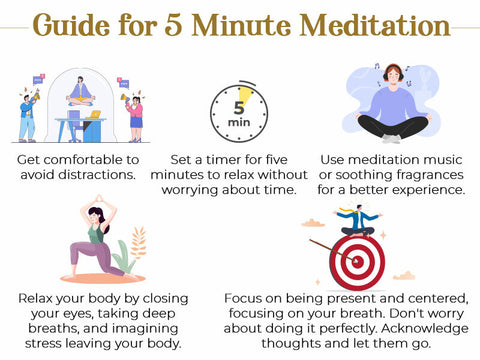
When your mind wanders—and it will—gently bring your attention back to your inhale and exhale. Don't judge yourself for getting distracted. Each time you return your focus, you are strengthening your mindfulness muscle. This simple act is the core of cultivating a Zenful State.
By sticking to this brief routine, you build the mental resilience needed to handle daily stressors. As Matt Swain notes, cultivating a zen state of mind allows you to make decisions and work with greater energy and clarity. Start small, stay consistent, and let the calm follow.
Frequently asked: what to check next
How long does it take to reach a Zenful State?
Most people feel a shift in their nervous system within 10 to 20 minutes of consistent practice. Reaching a true Zenful State—where mental chatter stops and presence takes over—often requires a few weeks of daily routine. You don't need to sit for an hour to benefit; short, focused sessions build the neural pathways faster than occasional long ones.
Can meditation improve deep sleep?
Yes. Meditation lowers cortisol and heart rate, signaling safety to your body. This transition helps you move from light sleep into deep, restorative stages more easily. Using ambient tracks like "Zenful State" on Spotify can act as an auditory anchor, guiding your brain into the theta waves associated with deep rest.
Is the Zenful State the same as a flow state?
They are related but distinct. A flow state is about high engagement in an activity, like coding or painting. A Zenful State is about stillness and awareness, often achieved through passive listening or seated meditation. You can enter a Zenful State to reset, then use that clarity to enter a flow state when working.
No comments yet. Be the first to share your thoughts!